
Why Highway Stops Feel Harsher
Mission, Incentives, Culture

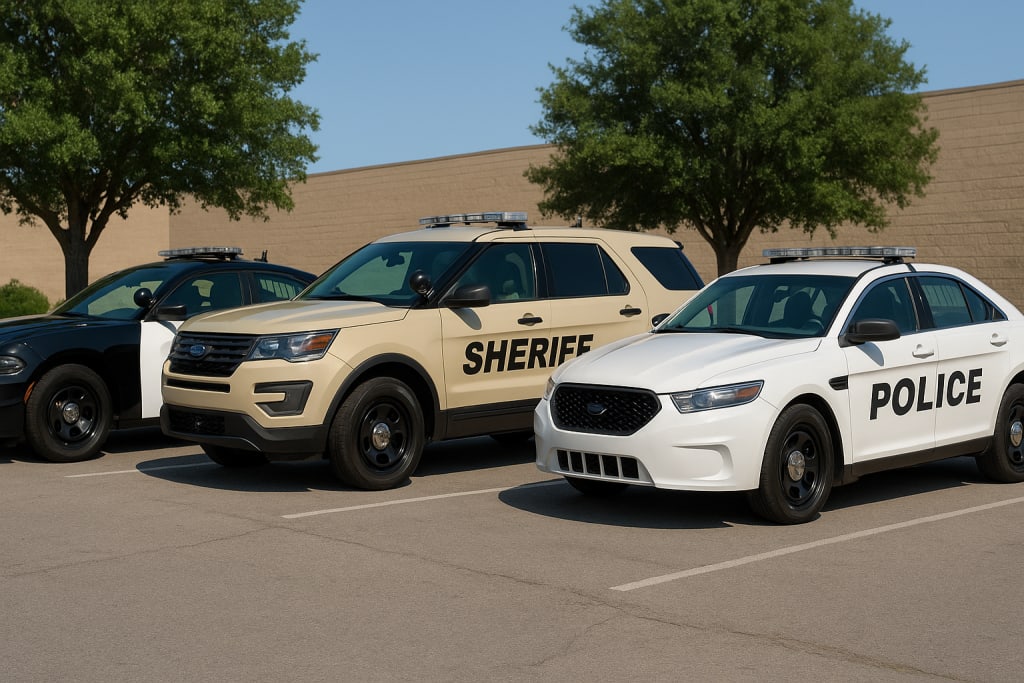
I have taught law-enforcement classes since 1987. In classrooms and ride-alongs, a pattern kept showing up in story after story. Drivers say highway patrol feels brusque, sheriffs’ deputies feel more human, and city police land somewhere in the middle. The truth isn’t personality. It is structure. Change the mission, the boss, and the metric, and you change the roadside script.
Highway patrol first. Their charter is simple and unforgiving: keep highways safe and keep traffic moving. That means high-visibility patrol, speed control, commercial vehicle enforcement, crash response, and interdiction along major corridors. It also means stops at speed on the shoulder, inches from cars doing 70 mph. Training leans hard into officer-safety habits, command presence, crisp instructions, tight time on the window, and clean articulation for court. The public reads that as attitude. Inside the subculture it reads as survival and standardization. Troopers live in a world where ambiguity on a shoulder can get someone killed. So they cut the ambiguity.
Sheriff’s offices run on a different logic. The sheriff answers to voters. Every deputy is a walking reflection of an elected name on the ballot. Counties also cover jails, civil process, and courts, so their deputies move daily between enforcement, service, and community settings that punish rudeness in quiet ways. A county beat can stretch from ranch roads to cul-de-sacs; the job rewards deputies who can go from firm to neighborly without losing control. When the boss is elected, a single bad stop can become a campaign ad. That tends to sand down edges.
City police sit between those poles. Urban departments carry everything from nuisance calls to homicide. Behavior varies by neighborhood, staffing, and leadership priorities. High-crime grids push officers into faster, more defensive patterns. Wealthy districts pull them into a service model that looks like private security with arrest powers. Neither is inherently better; both produce habits. Add the sheer volume of contacts in a city and you’ll see wide spread around the mean. Some officers sound like troopers. Some sound like deputies. Most sound like their field training officer.
Do academies tell troopers to be jerks? I have never seen a curriculum that uses that word.
- I have seen academy blocks that reward command presence, decisive voice, tight positioning, and short windows of contact.
- I have seen less time on de-escalation than on tactics, though that gap is closing.
If a recruit cannot work a stop with crisp, safe choreography on a live shoulder, that recruit will not thrive on highways. Agencies aren’t selecting for cruelty. They are selecting for certainty under risk. The rest follows.
Money and metrics tilt behavior. Cities dependent on fine revenue quietly push volume. Highway units live on performance numbers tied to crashes reduced, interdiction seizures, and selective enforcement days. Sheriffs walk a line between service calls, jail staffing, civil paper, and patrol, with a political cost to treating residents like revenue. None of this is mysterious. Incentives explain tone.
Technology pushes in from the edges. Automated plate readers flag warrants, stolen vehicles, and suspended owners. Used tightly, they focus stops on real problems. Used loosely, they justify volume and widen the net. Highway units love tools that cleanly separate criminal traffic from honest mistakes; sheriffs and city departments juggle the same tools while taking different heat from courts, councils, and voters. Policies about retention, sharing, and audits say more about agency culture than any brochure.
- So why do highway patrol stops feel harsher? Because the mission prizes uniformity over chat, speed over small talk, shoulder safety over bedside manner.
- Why do sheriff deputies feel warmer? Because they serve a single elected person whose name rises or falls on how constituents are treated, and because their daily mix of duties rewards social skill.
- Why do city police vary? Because a city is a dozen different police jobs under one patch.
The badge doesn’t make someone kind or cruel. The mission and the meter shape the script. Change those, and the tone at the window changes too.
Sources That Don’t Suck:
Texas Department of Public Safety — Highway Patrol mission and operations
American Association of Motor Vehicle Administrators — LPR/ALPR program guidance
National Sheriffs’ Association — election and structure of sheriffs
Illinois State Police Academy — academy scope and training blocks
Police Chief Magazine (IACP) — de-escalation in everyday police operations
Verbal Judo Institute — communication training in law enforcement
NHTSA — traffic enforcement and crash reduction research
EBSCO Research Starters — highway patrols (functions and duties)
Police1 — police vs. sheriffs role differences
Oxford Academic, Journal of Law, Economics, & Organization — elected vs. appointed law-enforcement leadership (research on incentives)
About the Creator
Dr. Mozelle Martin
Behavioral analyst and investigative writer examining how people, institutions, and narratives behave under pressure—and what remains when systems fail.
Keep reading
More stories from Dr. Mozelle Martin and writers in Humans and other communities.
The Scrutiny of Ordinary Women
There is a strange shift happening in public spaces that most professionals have avoided naming because everyone seems afraid to speak plainly. Regular women—the ones who do not treat cosmetics as daily armor or make their clothing choices a performance—are now being scanned as if they are something other than women. Many of them are being silently classified as trans or gay before a single word leaves their mouth. This judgment arrives in split-second glances, pacing, and the quiet hesitation of strangers trying to decide what category they think they are looking at.
By Dr. Mozelle Martin3 months ago in Humans
The BAFTA Awards
By now, in a stunning departure from recent years, most of the world is aware of what happened at the BAFTA film awards. Social Media Headlines will tell you the bare bones: that John Davidson, a Tourette's Syndrome advocate, shouted a racial slur at two Actors of Colour, Michael B Jordan and Delroy Lindo.
By Natasja Rose6 days ago in Psyche




Comments
There are no comments for this story
Be the first to respond and start the conversation.