
Why Do We Crave Junk Food and How to Break Free for Good
Why Do We Crave Junk Food and How to Break Free for Good

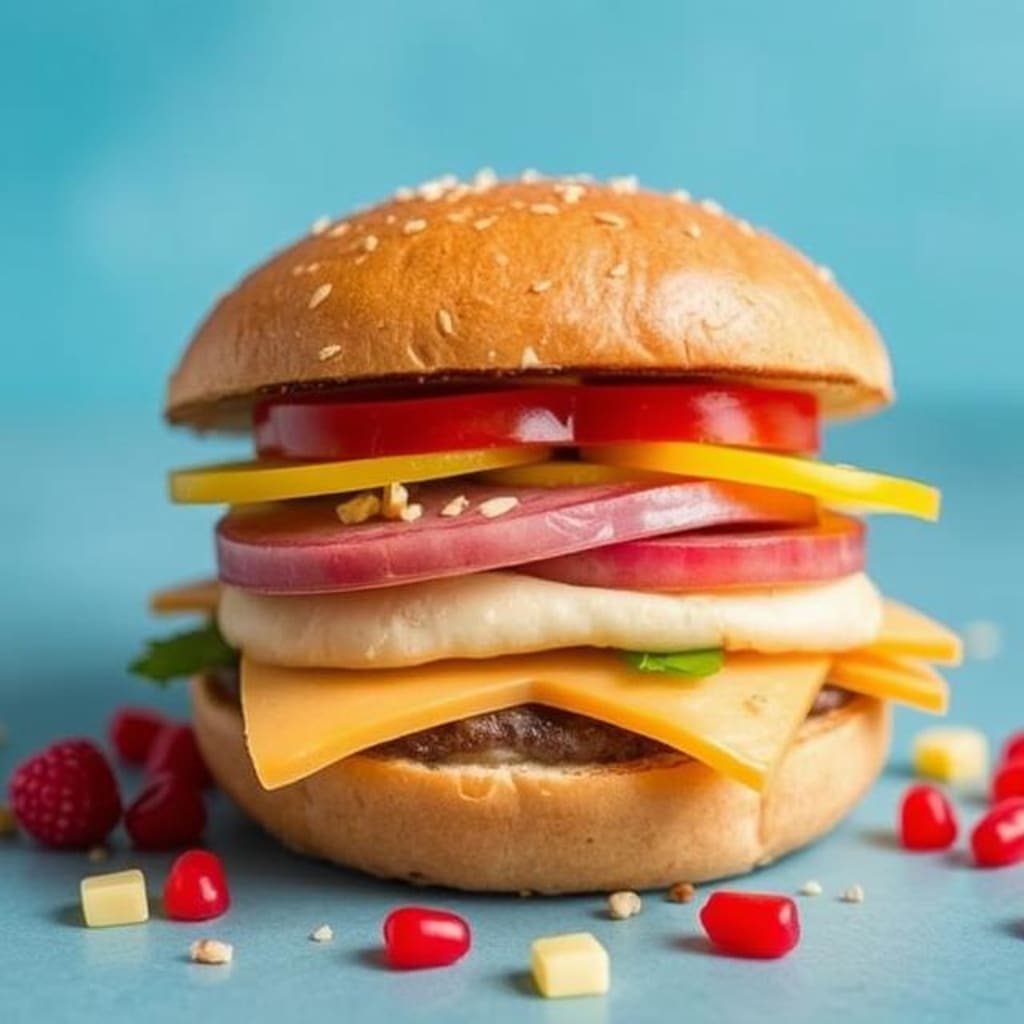
For many, eating junk food isn't just a casual indulgence, it’s a compulsion. If you've ever found yourself reaching for snacks without thinking, or eating long past the point of fullness, you're not alone. Junk food addiction is real, powerful, and surprisingly common. Fortunately, it's also beatable. With the right understanding and strategies, you can reclaim control over your eating habits and build a healthier, more intentional relationship with food.
The Science Behind the Craving
1. How Junk Food Rewires Your Brain
Junk food is engineered to trigger a dopamine response, which gives you a pleasurable rush. The brain quickly learns to associate these foods with reward, leading to a cycle where cravings are triggered not by hunger, but by memory and habit. Over time, this process dulls your natural satiety signals, making you more likely to overeat.
2. Hyper-Palatability and the “Bliss Point”
Food scientists have discovered how to make snacks irresistible by finding the perfect balance of sugar, salt, and fat—known as the "bliss point." This balance activates multiple taste receptors simultaneously, giving your brain a stronger reward signal than any single ingredient could.
3. Conditioned Habits and Emotional Eating
We’re not just eating junk food because we like the taste. We eat it because it's tied to emotions and routines. Watching TV? You might crave chips. Feeling sad or stressed? You reach for ice cream. These behaviors are often unconscious and reinforced through repetition, turning junk food into a form of emotional self-medication.
4. A World Designed for Overconsumption
Junk food is cheap, accessible, and heavily marketed—often to children. From billboards and commercials to product placements and vending machines, we’re constantly being nudged to consume. These cues are especially powerful when combined with our evolutionary drive to seek out high-calorie foods for survival.
The Hidden Costs of a Junk Food Habit
While the immediate effects of junk food may seem minor, the long-term consequences can be severe. Regular consumption has been linked to:
Obesity and metabolic disorders
Heart disease, high blood pressure, and type 2 diabetes
Cognitive decline and mood disturbances
Digestive issues and poor gut health
Fatigue, low energy, and poor sleep
Moreover, these impacts often create a vicious cycle. Poor health outcomes lead to lower motivation and increased reliance on comfort foods—trapping people in a loop that can feel impossible to break.
Strategies to Break Free from Junk Food Addiction
1. Identify Your Triggers
Start by asking: When do I crave junk food? Is it late at night? During work stress? After a fight? Knowing your emotional and situational triggers gives you the power to pause and make conscious decisions.
Tip: Keep a food journal for a week. Log not just what you eat, but how you felt before and after. Patterns will emerge quickly.
2. Rebuild Your Environment
You can’t rely on willpower alone. Set up your home, office, and routine in a way that supports better choices.
Remove junk food from your immediate surroundings.
Keep healthy snacks visible and accessible.
Pre-plan meals to avoid impulsive decisions.
Avoid grocery shopping when hungry.
3. Retrain Your Palate
Our taste buds can adapt. As you reduce sugar and processed foods, your sensitivity to natural flavors will return.
Start small:
Swap soda for sparkling water with lemon.
Replace chips with roasted nuts or air-popped popcorn.
Choose fruit instead of candy.
After a few weeks, your cravings for ultra-processed food may decrease significantly.
4. Eat Regular, Balanced Meals
Skipping meals or under-eating often leads to bingeing later. Ensure each meal includes:
Lean protein (chicken, tofu, eggs)
Complex carbs (brown rice, sweet potatoes, quinoa)
Healthy fats (avocados, olive oil, nuts)
Fiber (vegetables, legumes)
Balanced meals help stabilize blood sugar and reduce cravings.
5. Practice Mindful Eating
Mindfulness can interrupt the autopilot mode of junk food consumption. Slow down, savor each bite, and eat without distractions. Ask yourself mid-meal: Am I still hungry, or am I just eating because it’s there?
6. Find Alternative Rewards
If you’re using junk food as a reward or comfort, find other ways to fulfill those needs.
For stress: try deep breathing, a short walk, or journaling.
For boredom: engage in a hobby or call a friend.
For celebration: reward yourself with a movie, a book, or quality time—not food.
7. Get Support
Changing food habits can be emotionally taxing. If you're struggling, consider:
Joining a support group (online or in-person)
Talking to a registered dietitian
Seeking therapy, especially for emotional eating patterns
Having someone to talk to, share progress with, and hold you accountable can make a world of difference.
Progress, Not Perfection
Overcoming junk food addiction isn’t about swearing off all indulgence forever. It’s about making intentional choices most of the time, and not letting food control you. There will be setbacks, but each time you choose a healthier option or resist a craving, you're rewiring your brain and reinforcing a better habit.
Think of it this way: You’re not giving anything up—you’re gaining clarity, health, energy, and peace of mind.
Final Thoughts
Junk food may be a modern invention, but our brains weren’t built to handle its constant presence. What feels like a lack of willpower is often just a predictable response to an environment designed to exploit us. But with knowledge, planning, and support, you can break free from the junk food cycle.
Small changes today lead to big transformations over time. Your body—and mind—will thank you.
About the Creator
Fred Bradford
Philosophy, for me, is not just an intellectual pursuit but a way to continuously grow, question, and connect with others on a deeper level. By reflecting on ideas we challenge how we see the world and our place in it.
Keep reading
More stories from Fred Bradford and writers in Humans and other communities.
Developing Resilience in Children and Teens
The ability to bounce back from adversity is not just a useful trait—it is a vital life skill. As children and teens face increasing academic pressure, social complexities, and the influence of digital media, building emotional resilience has become more important than ever. Resilience is not about avoiding difficulties, but about navigating them with strength, adaptability, and hope.
By Fred Bradford9 months ago in Humans
I am not alone.
Billu Bhai’s Realization Category: Human Interest / Life Lessons His real name was Bilal, but everyone in the village called him Billu Bhai. He was the eldest child in a large family, with parents, siblings, and relatives all living together. Growing up, Bilal had been quite weak, both physically and mentally. His childhood was marked by illness, which affected his ability to concentrate in school. Learning was a constant struggle, and he barely managed to complete his education up to the tenth grade. Now, at twenty-five, Bilal was hardworking, reliable, and always willing to help others. His father had given him a rickshaw, which became his source of daily income.
By Sudais Zakwan4 days ago in Humans



Comments
There are no comments for this story
Be the first to respond and start the conversation.