
Why Ancient Blades Still Fascinate the Modern Mind
Why Ancient Blades Still Fascinate the Modern Mind

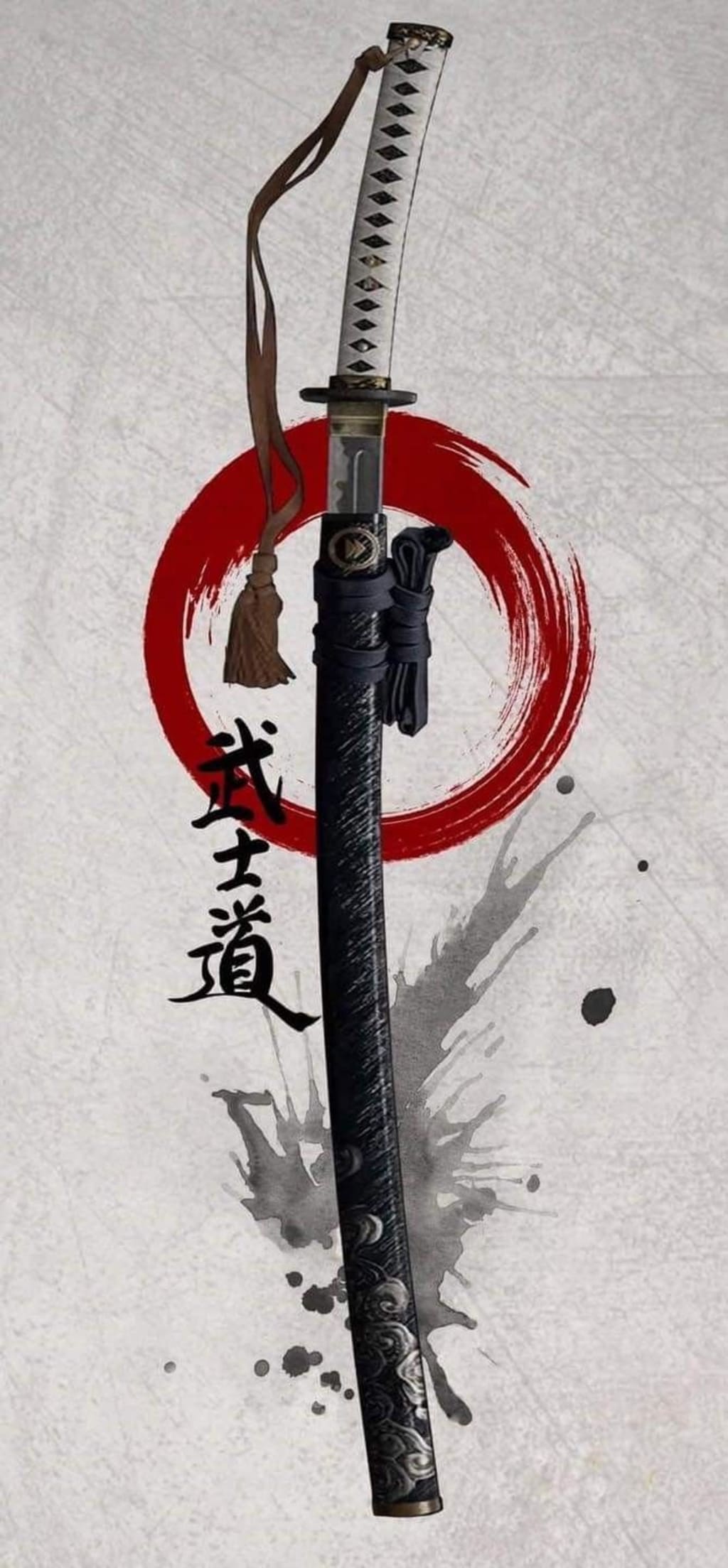
There is something about Asian swords that goes beyond their physical form. You can look at a blade in a museum case, separated from its original purpose, and still feel a quiet presence coming from it. It isn’t just steel. It isn’t just a weapon. It feels like a memory solidified into metal.
People often say a sword is only as dangerous as the hand that wields it. While that’s true, it ignores something deeper. In many Asian cultures, swords were never viewed as simple tools of violence. They were symbols of discipline, honor, identity, and inner balance. They represented a way of life.
That mindset still lingers today.
Even in a world dominated by technology, firearms, and digital warfare, ancient swords continue to captivate the imagination. Movies, games, anime, martial arts schools, and collectors all keep this fascination alive. But the appeal isn’t only aesthetic.
It’s philosophical.
Asian sword traditions developed alongside spiritual systems. In Japan, the katana was considered the soul of the samurai. Losing it was more than losing a weapon. It was losing honor. Losing self. The sword reflected the character of its owner. A careless warrior wielded a careless blade. A disciplined warrior maintained his blade with respect.
The blade became an extension of the person.
This idea contrasts sharply with modern weapon culture, where tools are often treated as disposable. Ancient swordsmanship emphasized relationship. You trained with one blade. You learned its balance. Its quirks. Its weight. You developed intimacy with it.
That intimacy required patience.
Patience is rare today.
Forging an Asian sword was never rushed. Master smiths spent years perfecting their craft. The process involved repeated heating, folding, hammering, and shaping. Not just to create sharpness, but to create harmony within the metal. Different layers served different purposes. Strength. Flexibility. Durability.
The blade was engineered to survive.
But also to adapt.
This mirrors the philosophy behind many Asian martial traditions. True strength isn’t rigid. It’s flexible. A tree that doesn’t bend in the storm snaps. A blade that doesn’t absorb force shatters.
Power without control destroys itself.
Another reason Asian swords remain fascinating is because they represent a slower relationship with conflict. Combat was intimate. Close. Personal. You had to look your opponent in the eyes. You had to feel distance, timing, breath, hesitation.
There was no easy detachment.
Violence carried weight.
This forced warriors to confront the reality of what they were doing. Taking a life wasn’t abstract. It wasn’t distant. It was immediate. Many traditions therefore placed heavy emphasis on moral discipline.
Before learning to fight, you learned to control yourself.
Skill without character was considered dangerous.
That idea feels relevant today.
Modern society often celebrates power without wisdom. Influence without accountability. Speed without reflection. Ancient sword philosophy reminds us that strength without restraint leads to chaos.
Asian swords also symbolize simplicity. A single blade. No excess. No unnecessary complexity. Everything has purpose. The curve. The edge. The handle. The guard. Each element exists for a reason.
This minimalism reflects a broader cultural value.
Less, but better.
In a world obsessed with accumulation, ancient swords quietly represent refinement. You don’t need more. You need mastery.
Another layer of fascination comes from the idea that these blades outlive their creators. A sword forged centuries ago may still exist today, while the hands that made it are long gone. The blade becomes a bridge across time. A physical reminder that humans have always searched for meaning, honor, and identity.
Holding such an object can feel humbling.
It reminds you that you are part of a long human story.
People are also drawn to the aesthetic beauty of Asian swords. The polished steel. The flowing lines. The subtle patterns formed through folding. Beauty wasn’t separate from function. The sword had to work, but it was also meant to be admired.
Function and beauty coexisted.
This philosophy is increasingly rare.
Today, most objects are designed for speed and profit.
Ancient swords were designed for legacy.
The continued fascination with Asian swords isn’t really about weapons.
It’s about what they represent.
Discipline in an undisciplined world.
Craftsmanship in a disposable culture.
Honor in an age of shortcuts.
They remind people of a version of strength that is quiet, controlled, and earned.
Not loud.
Not reckless.
Not performative.
A sword doesn’t announce itself.
It simply exists.
Sharp.
Balanced.
Waiting.
And maybe that’s why people still feel drawn to these ancient blades.
Not because they want to fight.
But because they want to remember what real strength looks like.
About the Creator
Time to change your life.
Is it even possible for you to change your life? A lot of people, more than there should be, are unhappy with their lives. But what are they doing about it? Usually nothing. People talk about how shitty their lives are and want change, but are they not taking the actions to change?
By Jen Phillips3 days ago in Humans
Across Two Worlds, We Chose Love
On the eastern edge of Istanbul, where the call to prayer echoed softly between ancient buildings and the Bosphorus shimmered like a living memory, Lina Demir began her mornings with quiet reflection. She worked as an architect, passionate about restoring old structures without erasing their soul. Istanbul had shaped her — a city balanced between continents, traditions, and contradictions. She believed deeply in family, in shared meals, in history passed through stories rather than books.
By Ahmed aldeabellaa day ago in Humans
Off the Book
It ended like every other stupid idea. Badly, and alone. I’m researching digital confession ethics, he said. A tech ethicist. He gestured at floating data I couldn’t see then pulled out a physical notebook. Actual paper, fountain pen. He held it up like he was showing me scripture.
By Nicky Frankly5 days ago in Fiction


Comments
There are no comments for this story
Be the first to respond and start the conversation.