
When the Muse Becomes a Cage: How Creatives Fall Into Addiction
The quiet link between creativity, addiction, and the myth of the tortured genius

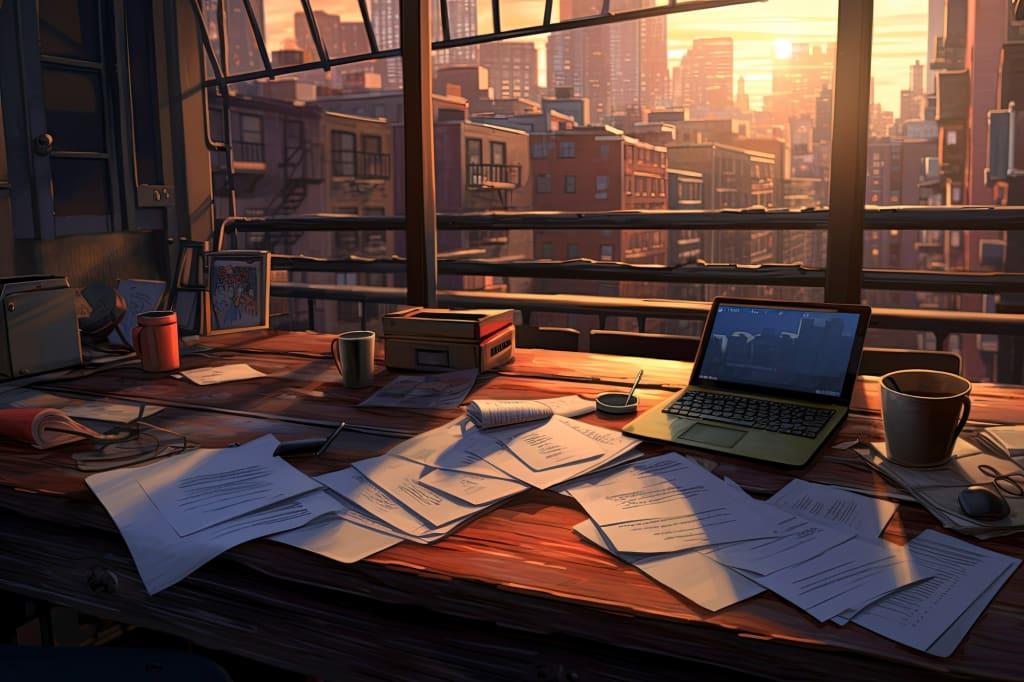
At first, it feels like devotion — a writer chasing midnight inspiration, a painter sipping “just one more cup” to keep the vision alive. But behind that devotion, a quieter story unfolds: addiction disguised as art.
For generations, we’ve idolized the tortured artist — the belief that suffering breeds brilliance: Ernest Hemingway, Amy Winehouse, Vincent van Gogh — names wrapped in both genius and tragedy. But what we rarely question is the cost of that suffering.
According to Frontiers in Psychology, creatives are more likely to experience emotional extremes, yet addiction actually impairs creative flexibility. What we romanticize as depth often ends in depletion. The chaos we glorify doesn’t nurture creativity — it numbs it, turning inspiration into dependency.
Addiction in creative spaces doesn’t always look like substance abuse. Sometimes, it’s caffeine dependency, overwork, or emotional self-sabotage mistaken for passion. Johns Hopkins Medicine notes that over 85% of adults in the U.S. consume caffeine daily. For many, it’s harmless — but for creators, it can morph into reliance, the brain equating energy with inspiration.
Then there’s workaholism, which a University of Bergen study found mirrors substance addiction through craving, withdrawal, and emotional burnout. Creatives often push themselves until exhaustion feels like proof of purpose. Yet exhaustion, as psychologist Dr. Christina Maslach reminds us, is not a badge of honor — it’s a symptom of burnout.
Behind this pattern lies the brain’s chemistry. Dopamine, often called the “motivation molecule,” fuels both creative highs and addictive cravings. When you create something meaningful, dopamine rewards you with a rush of satisfaction. But substances — alcohol, stimulants, even social media validation — hijack this pathway, tricking your brain into chasing artificial highs instead of authentic flow. Over time, it learns to link creativity with chaos rather than calm.
That’s why so many creators feel lost when they try to work without caffeine, adrenaline, or pressure — their brain no longer recognizes peace as a productive state. But it can be relearned.
The truth? Healing doesn’t erase creativity — it strengthens it.
Artists like Elton John and many modern creators have shown that sobriety doesn’t dull their edge. It sharpens it. Free from dependency, they rediscover clarity and emotional depth that substances once blurred. Recovery isn’t the end of artistry — it’s often its rebirth.
So, how can creators protect their muse from the trap of dependency?
- Take mindful breaks. Research in the Harvard Business Review shows that stepping away from work increases creative insight by letting the brain incubate ideas.
- Reconnect with nature. Studies in the Journal of Environmental Psychology reveal that 15-20 minutes outdoors boosts divergent thinking—the foundation of originality.
- Find creative community. Collaboration releases oxytocin, a bonding hormone that reduces stress and sparks shared inspiration.
- Write for yourself first. Journaling or sketching without judgment can transform inner chaos into clarity.
- Seek support. Organizations like Artists Recovery Movement and NAMI’s creative circles provide safe spaces for those navigating both art and addiction.
These habits don’t silence creativity — they sustain it. Because art made from chaos may burn bright, but it burns out fast. True artistry comes from balance, not breakdown.
If you’re a creator running on caffeine, adrenaline, or anxiety, pause for a breath. Ask yourself: Am I creating from love or from fear? From presence or from pressure?
Your muse isn’t meant to be your master. It’s your mirror — reflecting the stories, emotions, and truths you’re ready to express.
So protect it. Protect you.
✨ Create from clarity, not chaos.
Read the full blog: The Hidden Cost of Creative Addiction
If this story spoke to you, share it with another creator who might be silently struggling. Start the conversation — because art heals best when we heal together.
#UrbanEraMarketing #CreativeHealing #MentalHealth #AddictionAwareness #ArtAndRecovery #HealingJourney
About the Creator
Leigh Cala-or
Hey, I’m Leigh. I write full-time for Urban Era Marketing, and part-time for the soul. I share stories inspired by everyday life, creative work, and the little things that make us feel seen.
Keep reading
More stories from Leigh Cala-or and writers in Humans and other communities.
Edit Less, Stress Less: 10 Minutes to Creative Clarity
There’s something about deadlines that makes even confident writers freeze. The heartbeat quickens, the cursor blinks louder, and suddenly every word feels wrong. You tell yourself you’ll just fix “a few things,” but two hours later, you’re still stuck in the same paragraph. Sound familiar?
By Leigh Cala-or4 months ago in Humans
How Psychology Helps Singles Build Stronger Emotional Bonds With Partners
Psychology offers a paradigm of comprehending the manner in which emotional attachment is established among people. In the case of singles, identifying the processes of attaching, empathy and communicating is a key to creating significant relationships. When partners get an understanding, validation, and support, emotional connections are formed. Attachment theory describes the impact of early life experiences on expectations in romantic relationships whereas social psychology emphasizes the similarity, reciprocity, and shared experiences. Using psychological principles, singles would know better about their needs and reactions and it would be more simple to get in touch on the real level. This understanding enables them to build relationships out of understanding and not attractions.
By Mark Hipster5 days ago in Humans


Comments
There are no comments for this story
Be the first to respond and start the conversation.