
When Power Shapes Global Chaos
How reckless leadership and unilateral decisions ripple across a fragile world

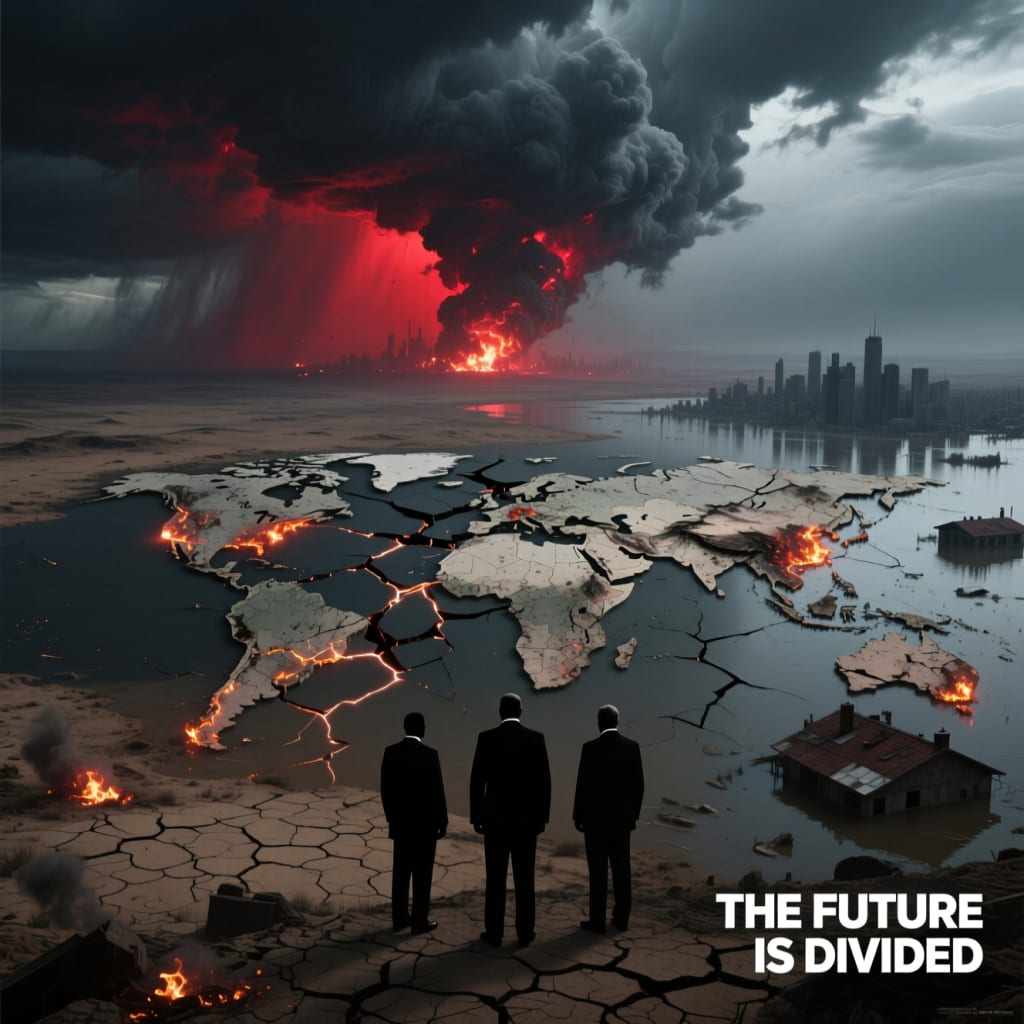
A Complaint on Trump: When Power Shapes Global Chaos
Leadership in a globalized world carries a weight far heavier than national borders. Decisions made in powerful offices do not remain contained within one country; they travel across oceans, destabilize regions, and redefine lives far removed from the original source. This reality makes accountability essential, especially when leadership choices amplify conflict rather than resolve it.
The Trump administration marked a sharp departure from cooperative global governance. Longstanding alliances were treated as transactional rather than strategic, and international agreements were dismissed as burdens instead of safeguards. This shift weakened trust between nations, creating uncertainty in an already volatile world. When diplomacy is reduced to spectacle, the cost is paid by civilians, not politicians.
One of the most damaging patterns was the open disregard for multilateral institutions. Organizations designed to prevent war, manage crises, and address global challenges were publicly undermined. Such actions signaled to the world that cooperation was optional and rules were flexible for those with power. This erosion of international norms emboldened authoritarian regimes and weakened collective responses to crises.
Global conflict does not emerge in isolation; it grows in environments where instability is encouraged. The administration’s foreign policy often favored escalation over restraint. Sudden withdrawals, aggressive rhetoric, and unpredictable sanctions created power vacuums in sensitive regions. These vacuums were quickly filled by violence, extremism, and proxy wars, leaving ordinary people trapped in cycles of fear and displacement.
The climate crisis further exposed the dangers of dismissive leadership. Environmental agreements are not symbolic gestures; they are survival frameworks for water, food, and human security. By retreating from climate commitments, the administration delayed collective action and legitimized inaction. The result is felt most harshly by vulnerable communities facing droughts, floods, and water scarcity—problems that directly contribute to migration and conflict.
Economic warfare also became a defining feature of this era. Trade wars and sanctions were deployed without long-term humanitarian consideration. While presented as tools of strength, they often destabilized economies already under strain. Inflation, unemployment, and resource shortages disproportionately affected the poor, both domestically and internationally. Economic pressure without diplomatic pathways rarely produces peace.
Perhaps most concerning was the normalization of aggressive political language. Words matter when spoken from positions of power. Hostile rhetoric toward other nations, minorities, and dissenting voices lowered the threshold for violence and intolerance worldwide. When leadership models division, societies fracture, and extremism finds fertile ground.
This complaint is not rooted in partisan rivalry but in global responsibility. Leadership must be measured by outcomes, not slogans. The increase in global tension, weakened alliances, environmental setbacks, and humanitarian consequences cannot be ignored or dismissed as collateral damage. History does not judge intentions; it judges impact.
Citizens across the world—far beyond the United States—experienced the consequences of these policies. Refugees fleeing conflict, families struggling with rising food prices, and communities facing water shortages are all connected to decisions made far above them. Global leadership demands foresight, empathy, and accountability, not impulsive dominance.
To criticize leadership is not to reject democracy; it is to practice it. Silence in the face of harmful governance allows repetition. This complaint stands as a reminder that power must be questioned, especially when its reach is global. The world deserves leaders who reduce suffering rather than normalize it.
The future depends on learning from these chapters of history. Reckless leadership leaves scars that take generations to heal. Responsible leadership, by contrast, builds bridges where walls once stood. The choice between the two shapes not only nations, but humanity itself.
About the Creator
Wings of Time
I'm Wings of Time—a storyteller from Swat, Pakistan. I write immersive, researched tales of war, aviation, and history that bring the past roaring back to life
Keep reading
More stories from Wings of Time and writers in Humans and other communities.
The Email That Changed the Office Forever
The Email That Changed the Office Forever The office of Silverline Solutions was always busy, always moving, and always noisy with the clicking of keyboards. Deadlines ruled the day, and no one ever seemed to have a moment to breathe. Among this crowd was Aisha, a quiet young woman who had joined the company only six months ago. She worked hard, arrived early, stayed late, and never complained. Most of her colleagues barely noticed her—but she noticed everything.
By Wings of Time 3 months ago in Humans
What Dating Habits Hold Professional Singles Back From Commitment
Single professionals tend to believe that they have to assess all things in terms of measures and results. Performance evaluation, quantifiable outcomes and strategic planning are necessary in the workplace. Emotional distance can be created when this mentality is transferred to dating. Some professionals dissect each interaction in search of a weakness or a red flag like a business audit, instead of organically having the connection experience.
By Mark Hipster2 days ago in Humans




Comments
There are no comments for this story
Be the first to respond and start the conversation.