
When Is an Invasion Justified? Understanding International Law and the Ethics of War
When Is an Invasion Justified? Understanding International Law and the Ethics of War
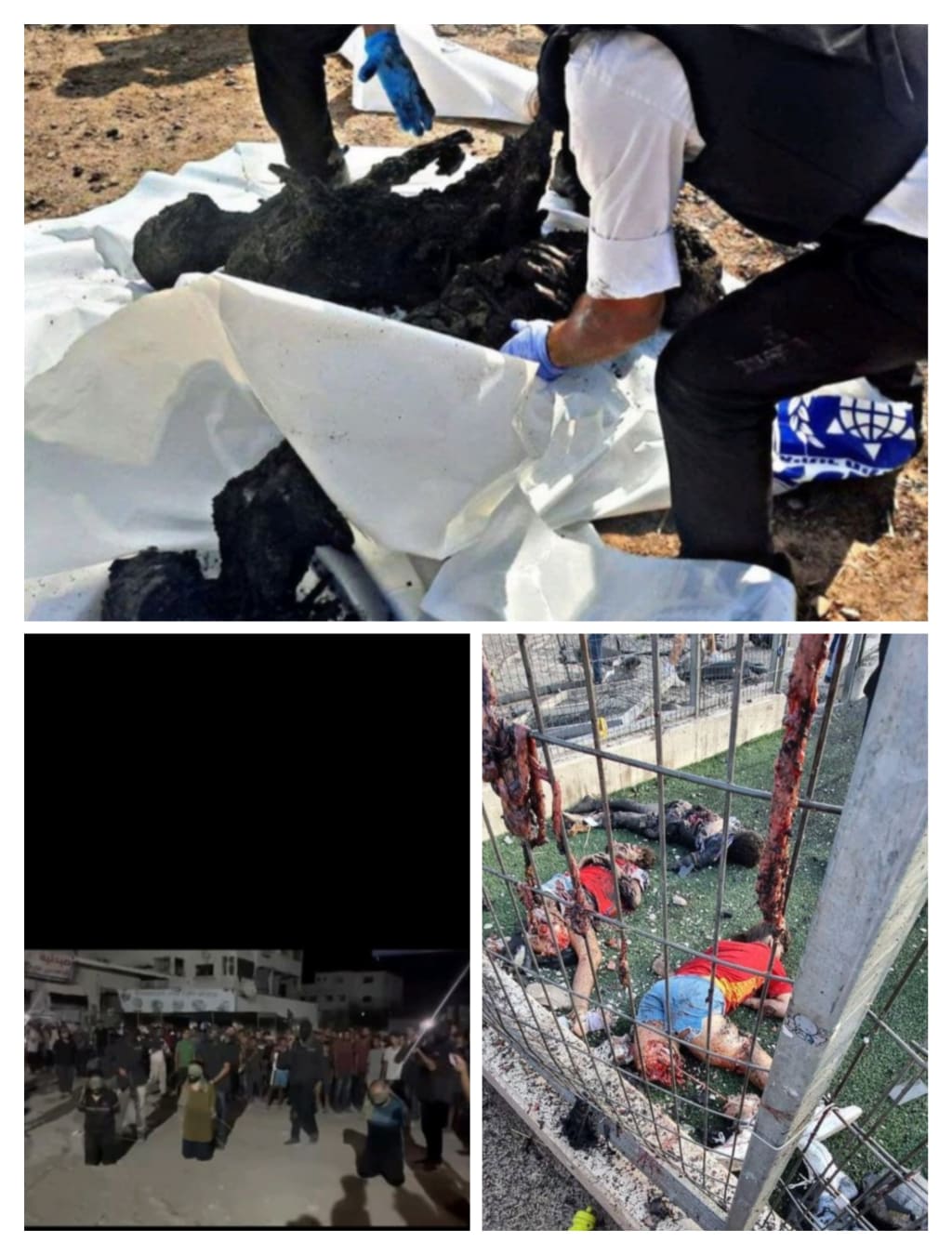
When Is an Invasion Justified? Understanding International Law and the Ethics of War
Throughout history, nations have gone to war for power, resources, or protection. Yet in the modern age, with the rise of international law and global institutions like the United Nations (UN), the idea of one country invading another has become one of the most serious breaches of global peace. Still, there remain rare and specific circumstances under which military intervention may be considered legally or morally justified. Understanding those circumstances helps us see the difference between aggression and defense — and why international law sets such high standards before force can ever be used.
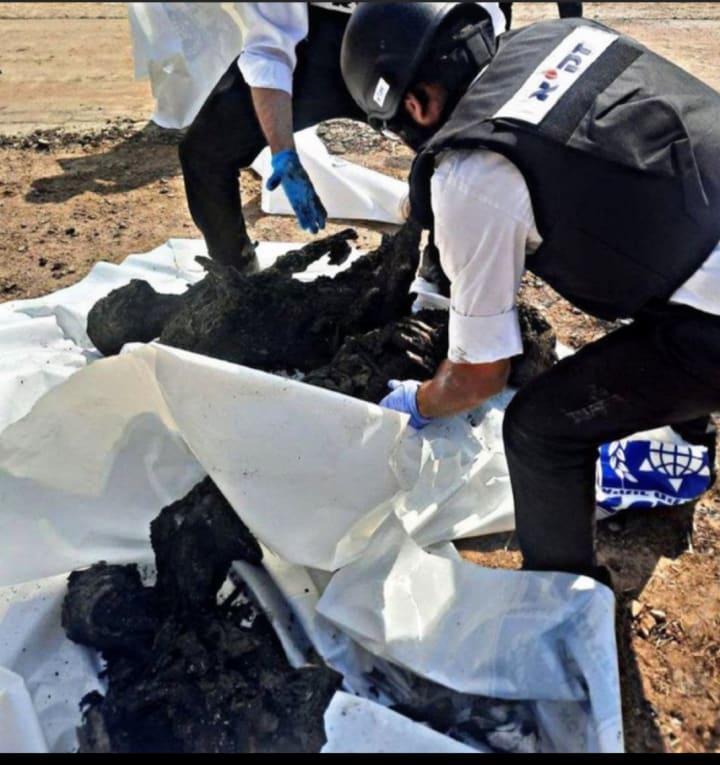
The Principle of Sovereignty and Non-Aggression
At the core of international law lies the principle of state sovereignty — the idea that each nation has the right to govern itself without interference. This principle is protected under the UN Charter, which prohibits the use of force against the territorial integrity or political independence of any state. Simply put: no country has the right to invade another just because it wants to expand territory, influence another government, or punish another people.
The UN Charter’s Article 2(4) clearly states that all member states must refrain from using or threatening force against the territorial integrity or political independence of any state. This principle has been a cornerstone of peace since World War II, designed to prevent the horrors of large-scale conflict from returning.
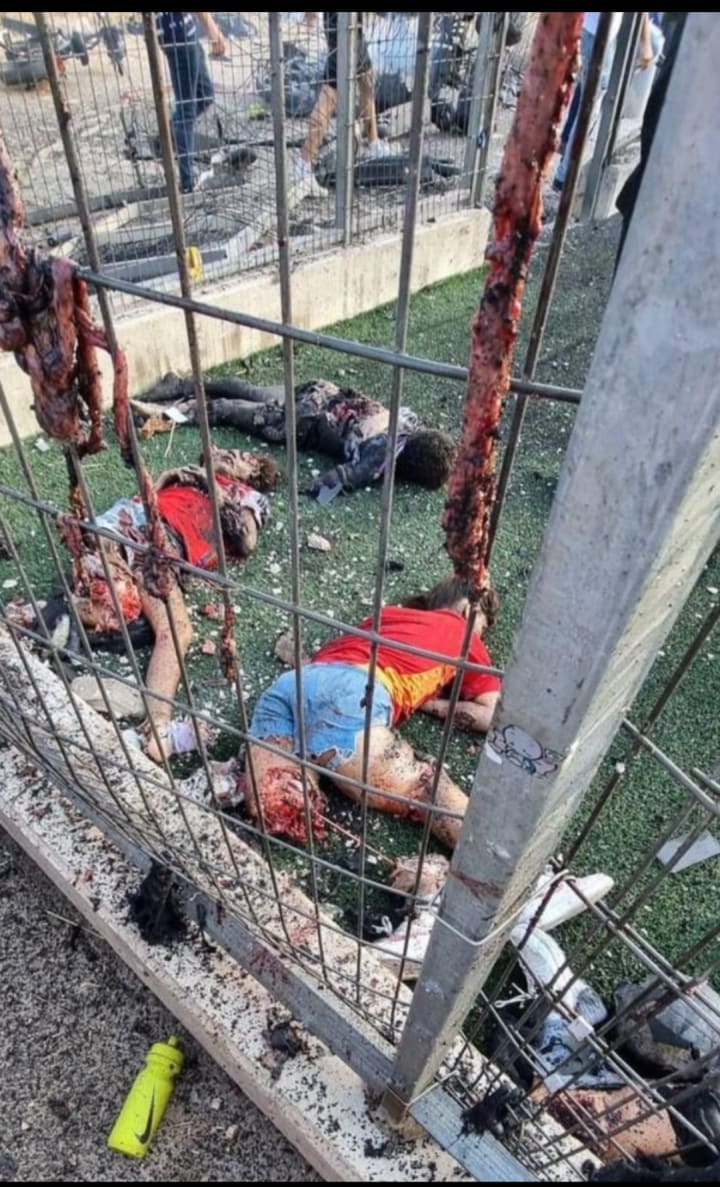
The Exceptions: When Use of Force Is Lawful
However, there are two main exceptions under which military action — even an invasion — may be deemed lawful under international law.
1. Self-Defense
According to Article 51 of the UN Charter, a nation has an “inherent right” to defend itself if an armed attack occurs against it. This means that if a country is attacked — for example, if its cities or civilians are targeted — it has the legal right to respond with military force to protect its people and sovereignty.
However, this right is limited. The response must be proportional, meaning the level of force used must match the threat faced. It must also be necessary, meaning that peaceful options have been exhausted. The goal of self-defense should never be revenge or occupation but the restoration of peace and security.
2. UN-Authorized Intervention
The second lawful reason for the use of force is when the United Nations Security Council authorizes it. This usually happens when a country’s actions threaten international peace and stability. For instance, if a regime commits genocide, launches unprovoked attacks on its neighbors, or carries out crimes against humanity, the UN may approve a multinational intervention to stop the violence and protect civilians.
This process ensures that no single country can unilaterally decide what counts as “justice.” Instead, it requires international consensus — a safeguard designed to prevent abuse of power.
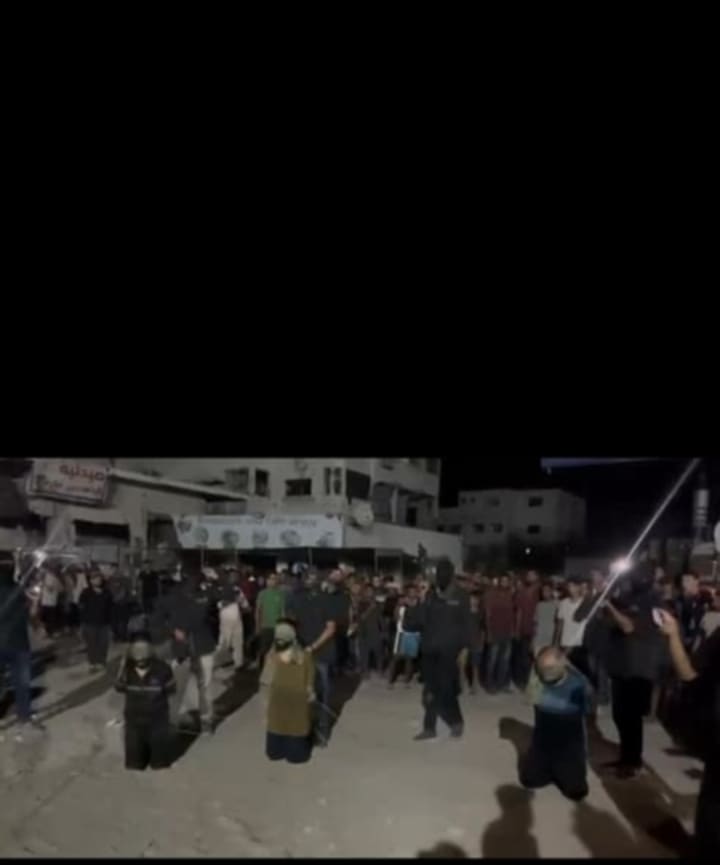
Moral and Humanitarian Grounds
Beyond legality, there are ethical arguments for intervention. The concept of “Responsibility to Protect” (R2P) emerged in the early 2000s, suggesting that when a government fails to protect its own people from mass atrocities such as genocide or ethnic cleansing, the international community has a moral duty to step in. However, such interventions must still be approved through international law to prevent misuse of humanitarian language as a cover for political or territorial gain.
The Danger of Justifying Aggression
Despite these rules, history has shown that nations sometimes claim “self-defense” or “protection” as excuses for aggression. In reality, many invasions justified as “defensive” have led to immense suffering, destruction, and long-term instability. That’s why global institutions demand transparency, evidence, and international agreement before any military action is taken.
The misuse of the term “self-defense” can undermine global trust and set dangerous precedents. If every country believed it could invade another based on perceived threats, the world would quickly descend into chaos.
Conclusion: Law, Peace, and Human Responsibility
International law does not exist to prevent defense — it exists to prevent destruction. A lawful invasion is not about conquest or punishment but about restoring peace, protecting civilians, and ensuring security when all other methods fail.
In a world increasingly connected by trade, communication, and shared humanity, the decision to invade another nation must always be the last possible resort, taken not out of anger or ambition, but necessity and moral duty. True strength lies not in domination but in restraint — and the ultimate goal of any just action must always be peace.
About the Creator
5 Things to Know About Intensive Outpatient Care and How It Works
Intensive outpatient care has become an important treatment option for individuals seeking support for substance use or mental health challenges without entering residential treatment. This level of care offers structured therapy while allowing people to maintain daily responsibilities such as work, school, and family life.
By Jordan Blake5 days ago in Humans
Wild Card Weekend Recap: What Happens Now?
I think I figured out why I love Wild Card Weekend so much. It's because it's the first playoff anything of the calendar year. The NFL season starts in the fall, and once upon a time, the champion was crowned either on or slightly before New Year's. The evolution of the NFL schedule has resulted in the playoffs starting just into the New Year, and currently, the final week of the season falls on the first weekend of the New Year, with Wild Card Weekend coming a week after that. So yes, chronologically, the NFL's Wild Card Weekend serves as the first playoff anything of the calendar year.
By Clyde E. Dawkins6 days ago in Unbalanced


Comments
There are no comments for this story
Be the first to respond and start the conversation.