
“No Kings”: Massive Times Square Protest Against Donald Trump Sends a Message of Resistance
Massive Times Square Protest Against Donald Trump Sends a Message of Resistance
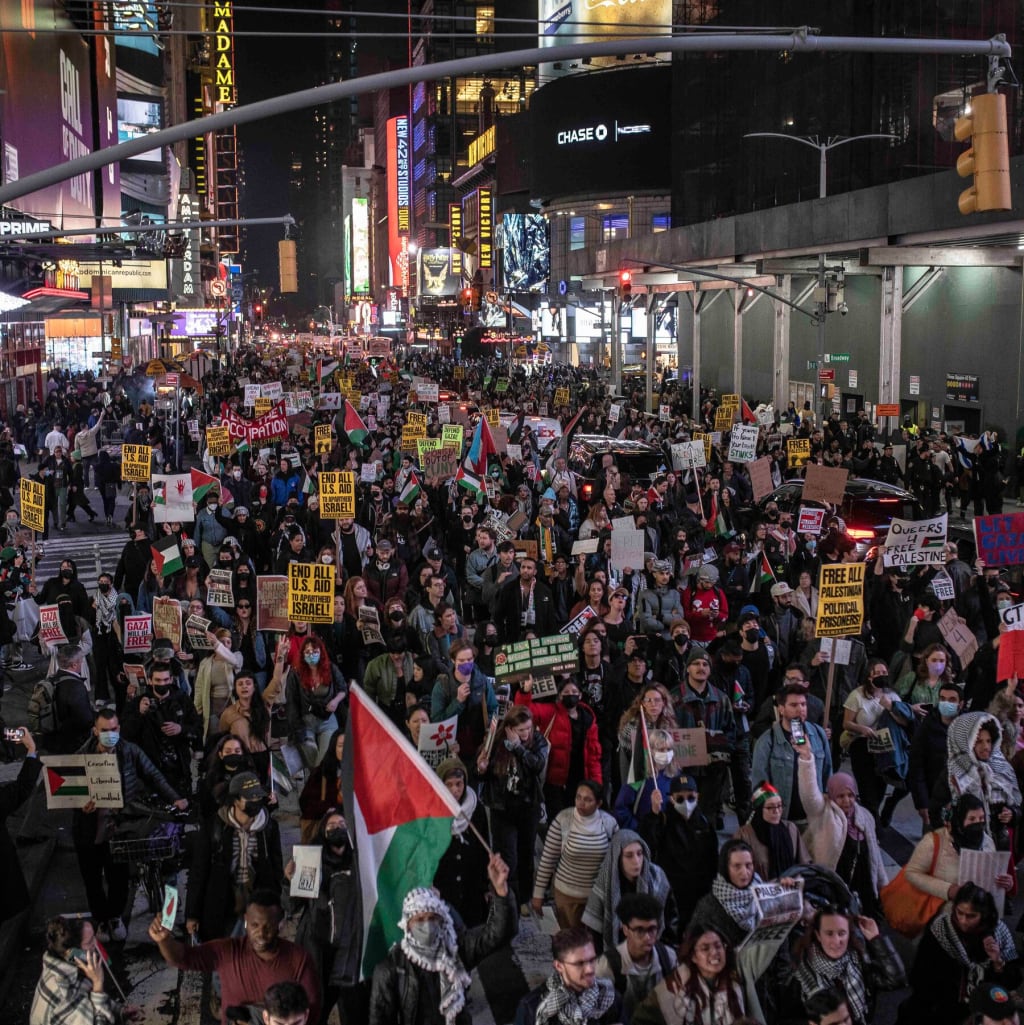
“No Kings”: Massive Times Square Protest Against Donald Trump Sends a Message of Resistance
On October 18, 2025, the heart of New York City — Times Square — transformed into a sea of voices, banners, and chants as thousands of demonstrators gathered to protest against former U.S. President Donald Trump. The protest, known as the “No Kings Movement,” was one of the largest coordinated political gatherings of the year, reflecting a wave of national discontent toward what many describe as Trump’s “authoritarian tendencies” and disregard for democratic norms.
The slogan “No Kings” encapsulated the central theme of the protest: that no individual, not even a president, should wield unchecked power. Protesters marched through Times Square carrying placards that read “Save Our Democracy,” “No One Above the Law,” and “Freedom Over Fear.” The air was thick with determination, as participants from all walks of life — students, activists, professionals, and veterans — united under a common cause: to protect the principles of democracy.
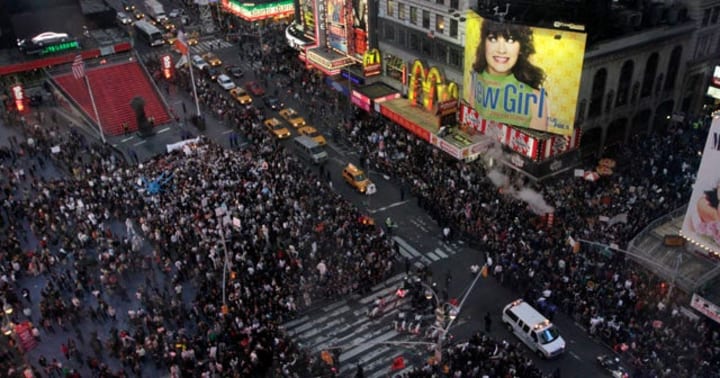
According to event organizers, the Times Square demonstration was one of more than 2,500 rallies taking place across the United States on the same day. From Los Angeles to Chicago, Washington D.C. to Miami, millions took to the streets as part of the national movement opposing Trump’s alleged attempts to undermine democratic institutions. But it was in New York — the city Trump once called home — that the protest gained its most powerful symbolic weight.
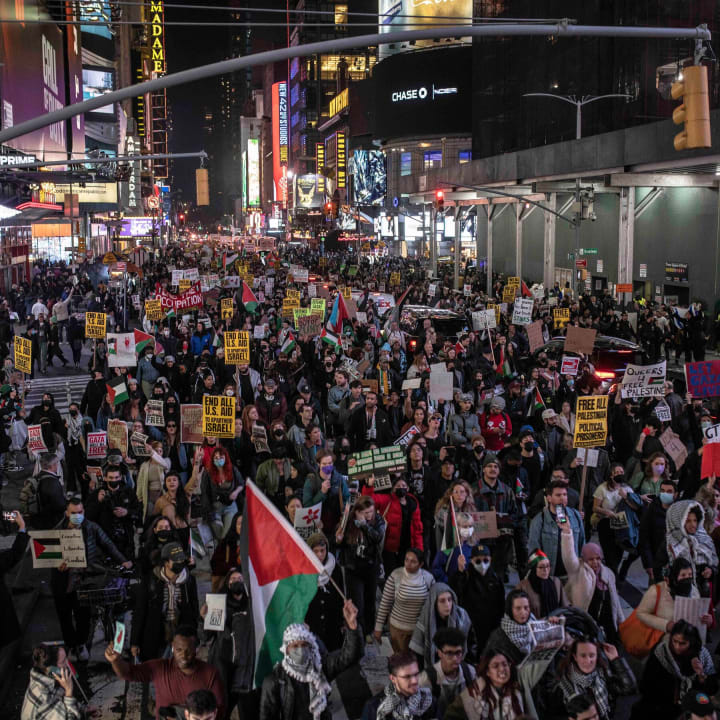
Times Square, known for its flashing billboards and bustling crowds, became a canvas of political expression. Giant banners unfurled over pedestrian bridges, musicians performed protest songs, and artists created live murals depicting freedom and resistance. Chants like “This is what democracy looks like!” echoed through the streets as cars honked in support and tourists paused to capture the historic moment on their phones.
One of the organizers, Sarah Jenkins, a long-time civil rights activist, addressed the crowd with passion. “We are not here to divide America,” she declared. “We are here to remind our leaders — and ourselves — that power belongs to the people. This country was founded on the rejection of kings, and we will not allow anyone to crown themselves above the law.”
The “No Kings” protest was triggered by mounting concerns over Trump’s recent rhetoric and actions that critics say threaten the country’s democratic values. Protesters cited issues ranging from restrictions on immigration, aggressive foreign policy stances, and growing fears of a “strongman” leadership approach. Many also expressed outrage over Trump’s continued legal battles and accusations that he attempted to manipulate government institutions for personal and political gain.
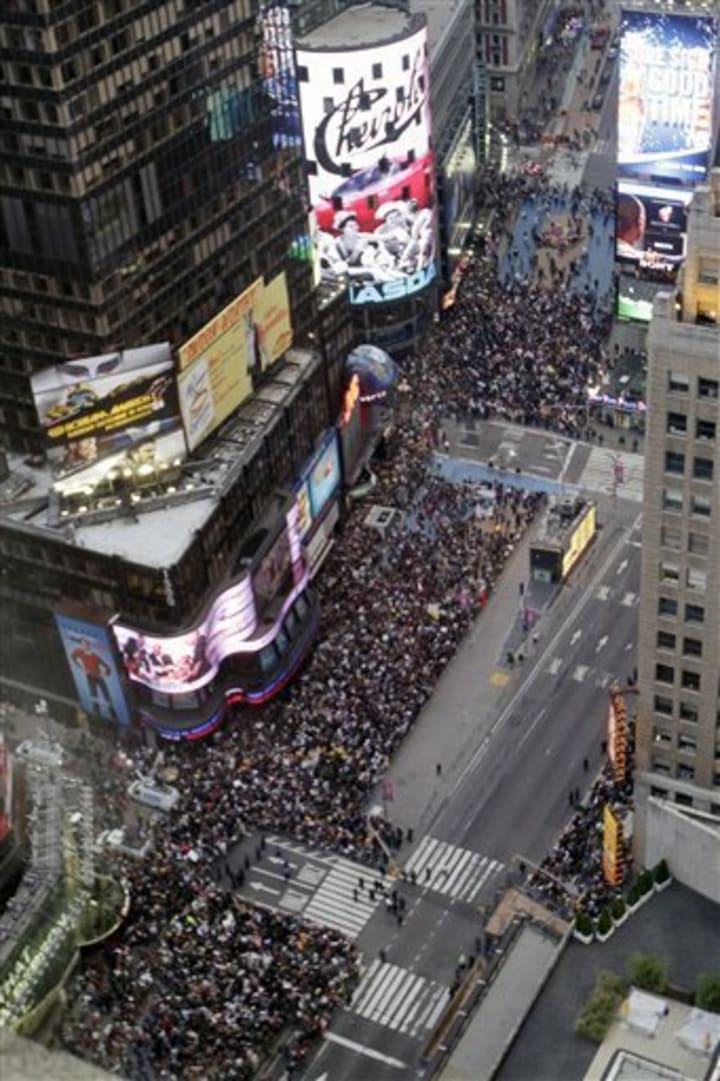
Despite the charged political atmosphere, the protest remained largely peaceful. The New York City Police Department (NYPD) maintained a visible but restrained presence, guiding traffic and ensuring safety. Officers reported minimal incidents, and the event concluded without any major clashes — a sign of mature civic engagement and disciplined organization among participants.
Observers noted that the atmosphere was both defiant and hopeful. Protesters weren’t merely condemning a political figure; they were defending an idea — the idea that America’s strength lies in its democracy, accountability, and rule of law. “This isn’t about Trump alone,” said one attendee, a university student from Brooklyn. “It’s about the direction we’re heading as a nation. If we let fear or power go unchecked, we lose what makes this country special.”
Analysts see the “No Kings” protest as a pivotal moment in contemporary American activism. It signaled that political engagement among citizens remains strong, and that even after years of division, large numbers of Americans are willing to take to the streets to defend their beliefs. The movement also underscored the growing role of young people and social media in mobilizing nationwide political actions.
As the day ended and crowds began to disperse, the lights of Times Square glowed brighter than ever — reflecting not only the neon advertisements above but the determination of the people below. The chants faded, but their message lingered in the city’s hum: “No Kings, No Dictators, Only Democracy.”
For many, October 18, 2025, will be remembered not just as another protest, but as a defining moment of civic unity — a reminder that democracy, while imperfect, endures through the voices of those who refuse to be silent.
About the Creator
Wild Card Weekend Recap: What Happens Now?
I think I figured out why I love Wild Card Weekend so much. It's because it's the first playoff anything of the calendar year. The NFL season starts in the fall, and once upon a time, the champion was crowned either on or slightly before New Year's. The evolution of the NFL schedule has resulted in the playoffs starting just into the New Year, and currently, the final week of the season falls on the first weekend of the New Year, with Wild Card Weekend coming a week after that. So yes, chronologically, the NFL's Wild Card Weekend serves as the first playoff anything of the calendar year.
By Clyde E. Dawkins7 days ago in Unbalanced




Comments
There are no comments for this story
Be the first to respond and start the conversation.