
What Science Says About Physical Attraction: Understanding the Biology
Discover the biological and psychological factors that influence physical attraction in relationships.

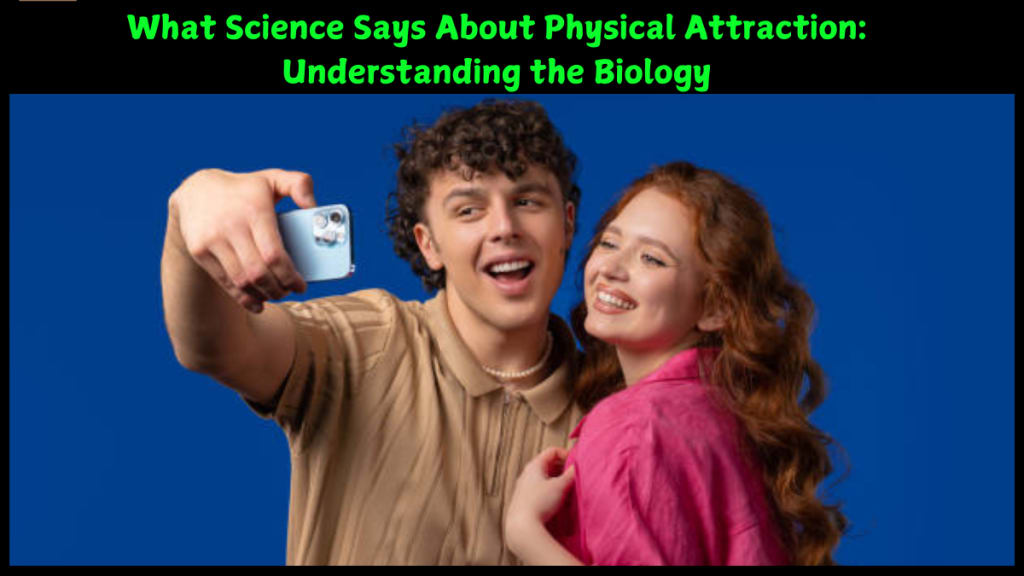
Physical attraction is a complex phenomenon that intertwines biology, psychology, and social influences. While it often feels like an instinctual response, various scientific principles explain why we are drawn to certain individuals. This article explores the biological foundations of physical attraction, examining the key factors that influence our preferences and desires.
The Biological Basis of Attraction
1. Evolutionary Psychology: The Roots of Attraction
Evolutionary psychology posits that our attraction to certain traits has roots in survival and reproduction. Key principles include:
- Mate Selection: Humans have evolved to choose mates who exhibit traits that signal good health and reproductive fitness. For instance, clear skin, symmetrical features, and physical vigor are often seen as indicators of genetic quality.
- Parental Investment Theory: This theory suggests that women may be more selective in choosing partners due to the higher biological investment in offspring. Men, on the other hand, may prioritize traits that indicate fertility and youth.
2. The Role of Pheromones
Pheromones are chemical signals secreted by the body that can influence attraction on a subconscious level. Research indicates:
- Chemical Communication: Pheromones can convey information about genetic compatibility and reproductive status. For example, studies show that people are often drawn to the scent of potential partners who possess different immune system genes, enhancing the genetic diversity of offspring.
- Menstrual Cycle Influence: Women’s preferences for certain male traits can change throughout their menstrual cycle, often showing a stronger attraction to masculine features when they are most fertile.

The Power of Physical Features
1. Facial Symmetry
Facial symmetry is one of the most studied aspects of physical attraction. Research shows that:
- Attractiveness and Symmetry: Symmetrical faces are often perceived as more attractive because they are associated with genetic health. This preference may be rooted in evolutionary processes that favored mates with strong genes.
- Cultural Variability: While preferences for symmetry are common, cultural differences can influence what constitutes an attractive face. Factors such as skin tone, facial structure, and features can vary widely across different societies.
2. Body Shape and Size
Various studies highlight the importance of body shape and size in attraction:
- Waist-to-Hip Ratio: Research has shown that a waist-to-hip ratio of approximately 0.7 in women is often perceived as attractive. This ratio is thought to signal fertility and health.
- Muscle Mass in Men: Men with a higher degree of muscle mass are frequently found more attractive. This preference can be linked to evolutionary ideals regarding strength and the ability to provide.

The Role of Confidence and Body Language
1. Confidence as an Attractant
Confidence plays a crucial role in physical attraction. Studies reveal that:
- Self-Assuredness: Individuals who display confidence through body language and demeanor are often perceived as more attractive. Confidence can signal social status and capability, traits that are desirable in a mate.
- Social Proof: Confident individuals tend to attract more attention and admiration from others, creating a positive feedback loop that enhances their attractiveness.
2. The Importance of Body Language
Body language is a powerful communicator of attraction. Key aspects include:
- Eye Contact: Maintaining eye contact can signal interest and engagement. Research shows that prolonged eye contact can increase feelings of intimacy and attraction.
- Open Posture: An open and relaxed posture can make individuals appear more approachable. In contrast, crossed arms or a turned body can signal disinterest or defensiveness.
The Influence of Hormones
1. The Role of Testosterone
Testosterone, often associated with male characteristics, plays a significant role in attraction:
- Aggression and Dominance: Higher testosterone levels can be linked to traits like dominance and assertiveness, which some may find attractive.
- Influence on Preferences: Testosterone may also affect preferences for certain physical traits, with studies suggesting that men with higher levels may prefer women with more traditionally feminine features.
2. The Impact of Oxytocin
Oxytocin, commonly referred to as the "bonding hormone," is crucial for attraction:
- Creating Bonds: Released during physical touch, such as hugging and kissing, oxytocin fosters feelings of closeness and intimacy.
- Enhancing Attraction: Oxytocin can strengthen emotional bonds, making partners feel more connected and, in turn, more attracted to each other.
The Psychological Aspects of Attraction
1. The Mere Exposure Effect
The mere exposure effect suggests that familiarity can enhance attraction. Studies show that:
- Increased Liking: The more we are exposed to someone, the more we tend to like them. This principle explains why friends often develop romantic feelings over time.
- Social Interactions: Regular social interactions can lead to increased feelings of attraction, as shared experiences foster familiarity and connection.
2. The Role of Shared Interests
Shared interests and values significantly contribute to attraction:
- Common Ground: Engaging in activities together or sharing similar beliefs can enhance emotional connections, which often translate into physical attraction.
- Mutual Support: Couples who support each other's interests and aspirations tend to feel more attracted to one another, reinforcing the bond.

Cultural Influences on Physical Attraction
1. Societal Standards of Beauty
Attraction is not solely biological; societal standards play a significant role. Factors include:
- Media Representation: The portrayal of beauty in media shapes our perceptions and ideals. Exposure to specific beauty standards through television, magazines, and social media can influence what we find attractive.
- Cultural Variability: Standards of beauty vary across cultures, affecting preferences for body types, skin tones, and facial features. Understanding these cultural differences is essential in appreciating the diversity of attraction.
2. The Impact of Social Media
Social media platforms have transformed how we perceive and engage with attraction:
- Comparison Culture: Social media can create unrealistic beauty standards, making individuals compare themselves to curated images. This can impact self-esteem and influence attraction.
- Validation: Likes and comments can reinforce certain behaviors or appearances, affecting how individuals perceive their attractiveness and desirability.

Practical Tips for Enhancing Physical Attraction
1. Focus on Self-Care
Taking care of oneself can significantly boost attractiveness:
- Stay Active: Regular exercise not only enhances physical appearance but also boosts mood and confidence.
- Practice Good Hygiene: Maintaining personal cleanliness and grooming can enhance attractiveness and contribute to positive first impressions.
2. Cultivate Confidence
Confidence can be attractive in both partners:
- Develop Skills: Engaging in activities that build confidence, such as public speaking or hobbies, can enhance self-assurance.
- Positive Self-Talk: Practice affirmations and positive self-talk to build a healthy self-image.
3. Enhance Emotional Connections
Fostering emotional intimacy can deepen attraction:
- Open Communication: Share feelings, desires, and thoughts openly with your partner to strengthen emotional bonds.
- Quality Time: Spend meaningful time together to create shared experiences that enhance connection.
Conclusion
Understanding the science behind physical attraction involves exploring biological, psychological, and cultural factors. While attraction may seem instinctual, it is influenced by a combination of evolutionary principles, hormonal responses, and social dynamics. By recognizing these influences, individuals can enhance their relationships and navigate the complexities of attraction more effectively.
- Key Takeaways
- Physical attraction is rooted in biology and evolution, influencing mate selection and preferences.
- Pheromones and hormonal responses play significant roles in attraction dynamics.
- Cultural and societal standards shape perceptions of beauty and attraction.
- Fostering emotional connections and self-care can enhance physical attraction in relationships.
By embracing these insights, individuals can cultivate deeper connections and maintain attraction in their relationships, ensuring that love continues to flourish.
Special Thanks Note
I would like to extend my heartfelt thanks to Unsplash for providing such an incredible collection of high-quality images that enhanced this article. Your platform has made it easy for creators like me to find stunning visuals that perfectly complement our work. The generosity of talented photographers sharing their art helps inspire and elevate content, making it more engaging for readers. Thank you, Unsplash, for your invaluable contribution to the creative community!
About the Creator
Abdul Jamil Nasir
Hello! I’m Abdul Jamil Nasir, a passionate writer exploring life, love, and culture. I focus on relationships, personal growth, and human emotions, believing in the power of words to inspire and connect with readers.
Keep reading
More stories from Abdul Jamil Nasir and writers in Humans and other communities.
Maintaining Physical Attraction After the Honeymoon Phase: Tips for Couples
The honeymoon phase of a relationship is often marked by intense physical attraction and emotional connection. It’s a time filled with excitement, passion, and a sense of novelty. However, as relationships progress, many couples find that this initial spark can fade. The key to a lasting relationship lies in maintaining that physical attraction even after the honeymoon phase has ended. This article will explore effective strategies to keep the flame alive, ensuring that both partners feel desired and connected.
By Abdul Jamil Nasirabout a year ago in Humans
Why Didn't Anyone Tell Us
Men, move along. This is not for you. This is for the women. I was forty-five when I began menopause. It is pretty young for that to be going on in a woman’s life, but I had undiagnosed PCOS, my entire life. Thank you to all the gynecologists I had seen my entire life. That in itself should encourage women to keep seeking second opinions, especially when you are not getting correct answers or any at all.
By Alexandra Grant3 days ago in Humans
5 Signs You Found a Kindred Spirit in an Unexpected Place.
Human connection shapes the direction of many lives. Some relationships grow from family, school, or work. Others appear without warning in places no one plans for. A short conversation with a stranger at a café, a message from someone across the world, or a brief meeting during travel shifts into something deeper.
By Wilson Igbasi5 days ago in Humans
Worth the Wait: Puerto Viejo, Costa Rica
Beach bumming in a small Caribbean beach town sounded like a perfect way to end our 6-month trip through Mexico and Central America. Or so we thought. The foul, fishy stench of rotten seaweed hit our nostrils as we stepped from the cramped bus and looked out at a rather depressing, empty, and underwhelming black sand beach. It was pouring with rain, and we had to quickly fish out our ponchos. We thought, this couldn’t be it, could it?
By Sh*t Happens - Lost Girl Travel7 days ago in Wander




Comments
There are no comments for this story
Be the first to respond and start the conversation.