
What’s Your Love Language?
Understanding How You Give and Receive Affection

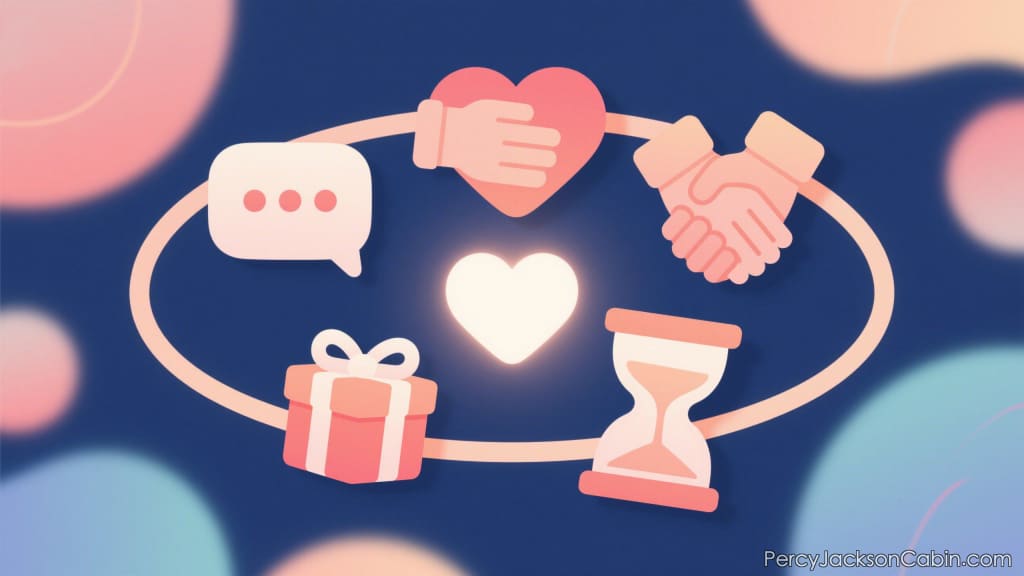
Ever feel like you and your partner are speaking different languages, even when you’re both trying your best to show you care? Perhaps you meticulously plan and execute the perfect, surprise birthday getaway, only to find your partner seems more touched by the simple act of you doing the dishes without being asked. Or maybe you shower your loved one with compliments and verbal adoration, yet they seem to crave quiet evenings spent simply being in the same room, phones down, attention focused.
These disconnects, these moments where good intentions seem to miss the mark, are incredibly common. It often boils down to a fundamental difference in how we express and experience love. Fortunately, there’s a powerful framework for understanding these emotional dialects: The Five Love Languages, a concept introduced by Dr. Gary Chapman.
“Understanding love languages isn’t about changing who you are; it’s about learning to translate your affection into a language your loved ones can truly understand.”
Let’s delve into these five distinct ways people give and receive love.
Unveiling the Five Emotional Dialects
Dr. Chapman identified five core ways individuals express and interpret love. While we might appreciate all of them to some degree, usually one or two resonate more deeply, acting as our primary love language(s).
1. Words of Affirmation
If this is your language, unsolicited compliments mean the world. Hearing “I love you,” “You look amazing today,” or “I really appreciate you doing that” fills your emotional tank. It’s about spoken or written words that affirm, encourage, and express appreciation. Negative or insulting comments cut deep, and a lack of verbal appreciation can feel like a lack of love.
- Examples: Leaving an encouraging note, sending a text just to say you’re thinking of them, sincerely complimenting them in front of others, frequently saying “I love you” and meaning it.
- Golden Sentence: For those who speak this language, words aren’t just sounds; they are potent builders of self-worth and connection.
2. Acts of Service
For someone whose primary language is Acts of Service, actions truly speak louder than words. They feel most loved when their partner goes out of their way to do something helpful, easing their burdens or making their life easier. Laziness, broken commitments, and making more work for them feel like active expressions of disregard.
- Examples: Doing the grocery shopping, cooking a meal, fixing something broken, taking care of a task they dislike, offering help without being asked.
- Golden Sentence: Here, love isn’t just spoken; it’s demonstrated through effort, shouting ‘I care about your burden, let me lighten it.’
3. Receiving Gifts
This language is often misunderstood as materialism, but it’s far deeper. The receiver of gifts thrives on the love, thoughtfulness, and effort behind the gift. It’s the tangible symbol that someone was thinking of them, remembered them, and invested time or resources to make them feel special. A missed birthday or anniversary, or a thoughtless gift, can be deeply hurtful.
- Examples: Bringing home flowers just because, picking up their favorite snack, choosing a thoughtful birthday present, giving a small souvenir from a trip.
- Golden Sentence: It’s not about the price tag, but the visible evidence of affection — a tangible symbol that says, ‘You were on my mind.’
4. Quality Time
For individuals who value Quality Time, nothing says “I love you” like undivided attention. This means putting down the phone, turning off the TV, and focusing solely on your partner. It’s about sharing activities, having meaningful conversations, and simply being together. Distractions, postponed dates, or feeling unheard can make them feel unimportant.
- Examples: Taking a walk together, having a deep conversation without interruptions, dedicating an evening to a shared hobby, truly listening when they talk.
- Golden Sentence: In a world saturated with distractions, offering someone your undivided presence is perhaps the most precious gift of all.
5. Physical Touch
This language isn’t solely about the bedroom. People with Physical Touch as their primary love language feel loved through hugs, holding hands, pats on the back, thoughtful touches on the arm, and physical closeness. Appropriate physical contact conveys warmth, safety, and connection. Neglect or abuse are profoundly damaging.
- Examples: Holding hands while walking, giving a hug before leaving, sitting close on the sofa, offering a back rub, non-sexual affectionate touches throughout the day.
- Golden Sentence: Beyond the romantic, this language speaks of safety, comfort, and the immediate, grounding power of human connection.
Why Speaking the Right Language Changes Everything
Understanding and speaking your partner’s primary love language can revolutionize your relationship. When you express love in a way that truly resonates with them, you effectively “fill their love tank,” making them feel genuinely seen, cherished, and secure.
“Loving someone isn’t just about feeling love; it’s about effectively communicating that love in a way they can receive.”
Knowing these languages helps:
- Reduce Misunderstandings: You realize why your grand gesture might have fallen flat or why their specific action meant so much.
- Minimize Conflict: Many arguments stem from feeling unloved or unappreciated. Speaking the right language addresses the root cause.
- Deepen Connection: It fosters empathy and shows you care enough to learn what truly makes your partner feel loved.
- Increase Relationship Satisfaction: Both partners feel more consistently loved and valued.
Decoding Your Own Emotional Blueprint (And Theirs)
So, how do you figure out your primary love language, or your partner’s?
- Reflect on What Makes You Feel Most Loved: Think back to times you felt deeply cherished by someone. What were they doing?
- Consider What You Complain About Most Often: Do you frequently lament a lack of verbal appreciation? Do you wish your partner would help out more? Do you feel lonely even when you’re in the same room? These complaints often point directly to your unmet love language needs.
- Examine How You Naturally Express Love: How do you instinctively show affection to others? We often tend to give love in the way we’d prefer to receive it.
While introspection is key, online resources like the popular Love Language quiz can offer a structured starting point. Encourage your partner to reflect or take a quiz too, but remember observation and open communication are invaluable.
Bridging the Gap: Learning a New Language
Discovering your differing love languages is the first step. The next, crucial part is making a conscious effort to speak your partner’s language, even if it doesn’t come naturally to you. If your language is Words of Affirmation, but your partner craves Acts of Service, intentionally doing chores for them becomes a powerful expression of your love.
“Learning to speak your partner’s love language, even when it’s not your native tongue, is a profound act of love in itself.”
It requires intention, practice, and sometimes stepping outside your comfort zone, but the rewards are immense.
More Than Just Words: Building Stronger Bonds
The concept of the Five Love Languages isn’t a magic wand, but it is an incredibly powerful tool. It provides a simple yet profound framework for understanding one of the most complex human experiences: giving and receiving love. By learning to identify and speak the emotional languages that matter most to those we care about, we unlock the potential for deeper understanding, richer communication, and more fulfilling connections.
Ultimately, understanding love languages equips us not just to love, but to love better, creating connections that are not only strong but truly resonant.
About the Creator
Leo Wang
Stars shine, so do you.
The CEO of Everything
They say "jack of all trades, master of none," but they forgot to mention the part where the jack of all trades is also the camera woman, the makeup artist, and the person currently yelling at a tangled Wii microphone cable in a her own bathroom while recording herself singing and trying to make it look realistic and professional. (As professional as you can make it with nothing but a cell phone camera and a mic that doesn't work)
By Sara Wilson7 days ago in Humans
Why So Many Women End Up “Menopause Masking” — And What It Can Cost You
Menopause is a natural stage of life, yet many women find themselves masking its symptoms rather than addressing them. This trend, known as “menopause masking,” can have hidden consequences for both physical and mental health. Here’s why it happens and why it matters.
By Ayesha Lashari2 days ago in Humans



Comments
There are no comments for this story
Be the first to respond and start the conversation.