
Why So Many Women End Up “Menopause Masking” — And What It Can Cost You
Hidden Consequences of Menopause Masking
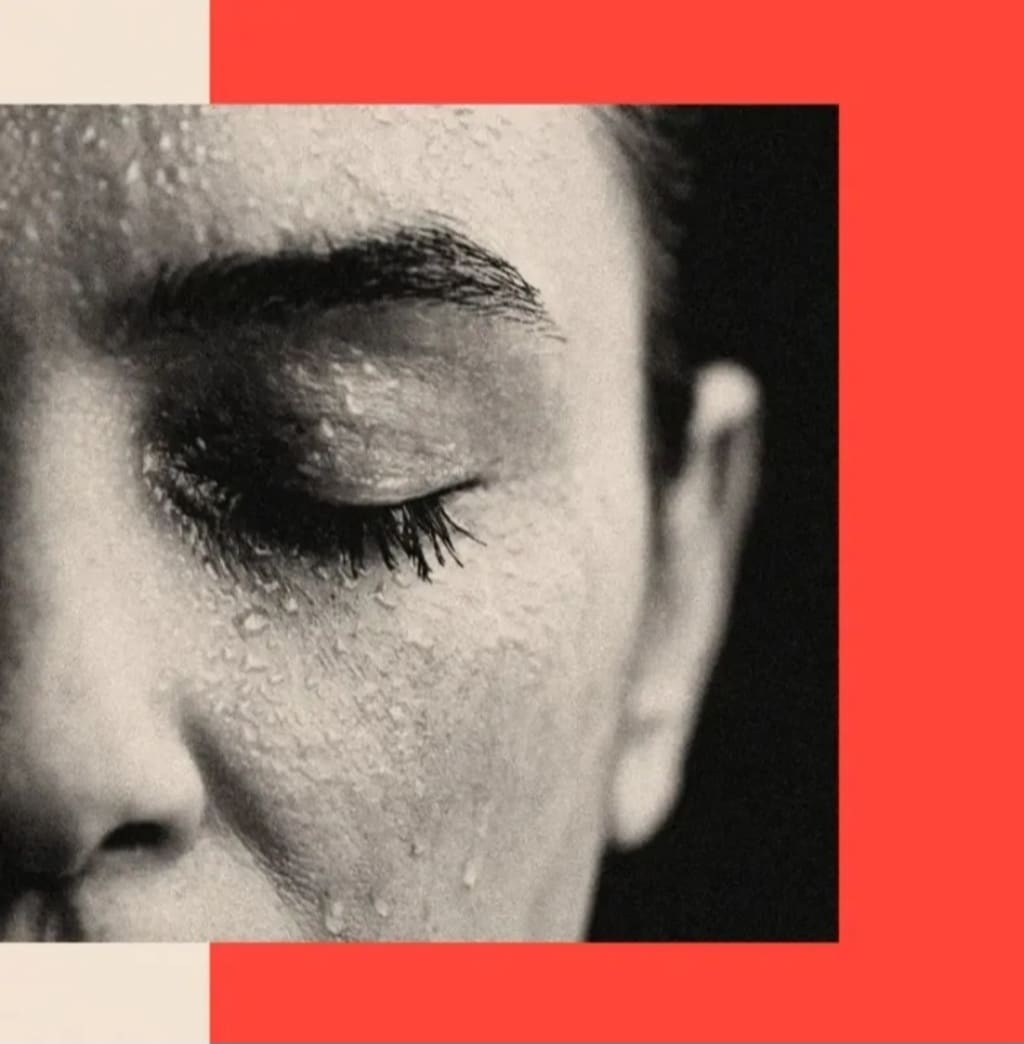
Menopause is a natural stage of life, yet many women find themselves masking its symptoms rather than addressing them. This trend, known as “menopause masking,” can have hidden consequences for both physical and mental health. Here’s why it happens and why it matters.
What Is Menopause Masking?
Menopause masking refers to the practice of covering up or ignoring menopausal symptoms rather than treating them or seeking support. Women may push through fatigue, brain fog, mood swings, sleep disruptions, or hot flashes with caffeine, sugar, painkillers, or sheer willpower.
Many women report feeling societal pressure to appear energetic, capable, and “unaffected” despite internal changes. Others simply don’t realize that the issues they’re experiencing are related to menopause. Instead, they might attribute symptoms to stress, aging, or a hectic lifestyle.
Why Women Mask Menopause
Several factors contribute to menopause masking:
1. Cultural and Social Expectations
Women are often expected to juggle multiple roles—career, family, social life—without slowing down. Admitting to symptoms like fatigue, anxiety, or memory lapses may be perceived as weakness.
2. Lack of Awareness
Menopause education is still limited. Many women do not recognize hot flashes, night sweats, or mood changes as signs of hormonal shifts. They may try over-the-counter remedies or lifestyle hacks rather than seek professional guidance.
3. Workplace Pressures
Professional environments often do not accommodate menopausal needs. Women may feel they must appear constantly sharp and energetic, pushing symptoms underground instead of addressing them openly.
4. Stigma Around Aging
Society often frames aging as a loss of vitality or attractiveness. Women may mask menopause to maintain a sense of youth or social acceptance.
Common Ways Women Mask Symptoms
Women use a variety of strategies to hide or cope with menopause:
Overworking to distract from fatigue or brain fog
Excess caffeine or sugar to fight sluggishness
High-intensity exercise to counter weight gain or low energy
Mood suppression using humor, social masks, or avoidance
Ignoring medical help for irregular periods, hot flashes, or sleep disturbances
While these tactics may work in the short term, they often delay appropriate treatment or lifestyle adjustments.
Hidden Consequences of Menopause Masking
Masking menopause isn’t harmless. It can lead to both physical and emotional consequences:
1. Chronic Fatigue and Burnout
Suppressing symptoms may temporarily keep women functioning, but it drains energy over time. Chronic fatigue can reduce productivity, impair relationships, and increase stress.
2. Mental Health Struggles
Ignoring mood changes, anxiety, or depression can worsen mental health. Women may experience irritability, emotional instability, or even clinical depression if hormonal shifts go unaddressed.
3. Physical Health Risks
Menopause increases the risk of heart disease, osteoporosis, and metabolic changes. Masking symptoms instead of seeking medical guidance may delay preventive care.
4. Reduced Quality of Life
Hot flashes, night sweats, sleep disruption, and joint pain affect daily life. Masking them can lead to frustration, social withdrawal, or a diminished sense of self.
Personal Discovery: Facing the Consequences
Many women, including myself, only realize the impact of masking when symptoms become unavoidable. For example, fatigue that caffeine cannot fix, or brain fog that disrupts work, can signal that the body is asking for more attention.
Recognizing menopause rather than masking it allows women to:
Seek medical support (hormone therapy, supplements, or lifestyle changes)
Adjust nutrition, exercise, and sleep habits
Prioritize mental and emotional well-being
Break societal taboos and normalize conversations about menopause
How to Stop Masking Menopause
Educate Yourself: Learn about perimenopause and menopause symptoms so you can recognize them.
Talk to Your Doctor: Discuss hormone levels, sleep patterns, mood changes, and physical health.
Adjust Your Lifestyle: Focus on nutrition, moderate exercise, stress management, and sleep hygiene.
Set Boundaries: Learn to say no and prioritize rest without guilt.
Connect With Others: Support groups or online communities can provide understanding and advice.
Final Thoughts
Menopause masking is common, but it comes with real consequences. By recognizing and addressing symptoms early, women can protect their physical health, mental well-being, and overall quality of life. The goal is not to stop aging but to navigate menopause with awareness, care, and dignity.
Ignoring the body’s signals may feel easier in the short term, but embracing this natural life stage can lead to empowerment rather than exhaustion.
About the Creator
Keep reading
More stories from Ayesha Lashari and writers in Humans and other communities.
‘Doomed to Fail’ Insulation Schemes Leave Thousands in Unsafe Homes, Say MPs
In one of the most damning assessments of recent public spending, UK MPs have concluded that government‑backed home insulation schemes were “doomed to fail from the start”, leaving tens of thousands of households facing dangerous living conditions, potential health risks and financially crippling repair bills. The House of Commons Public Accounts Committee (PAC) says the fiasco in the delivery of retrofit programmes — aimed at cutting energy bills and improving energy efficiency — has turned into a crisis that risks undermining public trust in future government green initiatives. �
By Ayesha Lashariabout 12 hours ago in The Swamp
The CEO of Everything
They say "jack of all trades, master of none," but they forgot to mention the part where the jack of all trades is also the camera woman, the makeup artist, and the person currently yelling at a tangled Wii microphone cable in a her own bathroom while recording herself singing and trying to make it look realistic and professional. (As professional as you can make it with nothing but a cell phone camera and a mic that doesn't work)
By Sara Wilson6 days ago in Humans
Why Being Observant Matters More Than Being Loud
Why Being Observant Matters More Than Being Loud Loudness demands attention. It’s the first thing we notice. The booming voice. The person who interrupts every conversation. The social media post that screams for likes. The ones who dominate the room not because of what they know, but because of how forcefully they announce it.
By Nolan Wright 3 days ago in Humans
🅼🅸🅳🅽🅸🅶🅷🆃 🆂🅽🅰🅲🅺🆂
"It's 10 in Tuscon! We all know what that means... It's Time for Midnight Snacks with your man, Gerald Gee! Ready to spend the night together? Me too! I'm full of snacks and can't wait to regurgitate them all back into your hungry ears. Crack a brew! Pop some corn! Anything to get ready for one hell of a show where the talk maybe cheap but the words cut deep...
By Lamar Wigginsa day ago in Fiction


Comments
There are no comments for this story
Be the first to respond and start the conversation.