
What PCP Does to Your Body
Understanding the Dangerous Physical and Mental Effects of PCP Use
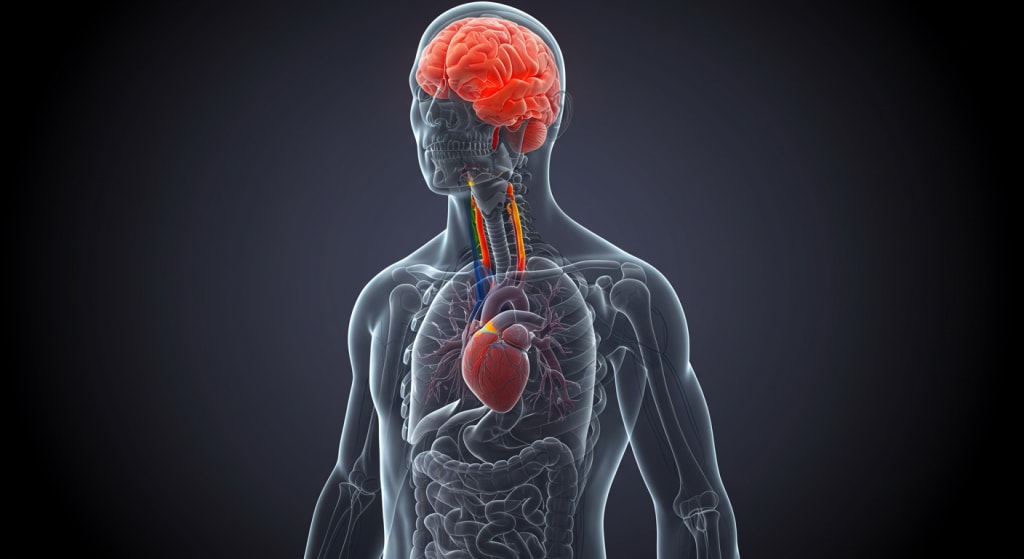
Imagine losing your sense of time, feeling disconnected from reality, or thinking your body isn’t even yours. That’s not a sci-fi movie, it's the reality of PCP, a dangerous drug that messes with your mind and body in ways many people don’t fully understand.
Whether you’re here out of curiosity, concern for a loved one, or looking for answers after using PCP yourself, this guide will walk you through the facts in plain, simple language. Let’s talk honestly about what PCP does to your body, how long it stays in your system, and what detox really looks like.
What Is PCP and Why It’s So Dangerous
Phencyclidine commonly known as PCP or “angel dust” is a powerful dissociative drug originally developed as an anesthetic. While it was never approved for human use, it quickly found its way into illegal drug markets.
The thing with PCP is, it doesn’t just make you feel “high.” It alters how your brain processes everything from sight and sound to pain and emotion. And the effects? They’re anything but predictable.
“Drugs take you to hell, disguised as heaven.” Donald Lyn Frost
Immediate Effects You Might Feel
PCP affects everyone differently, but there are some common short term effects to look out for. These can start within minutes of use,
Physical Effects
- Numbness in limbs
- Slurred speech
- Lack of coordination
- Rapid eye movements
- Increased blood pressure and heart rate
Psychological Effects
- Euphoria or detachment
- Confusion or paranoia
- Delusions or hallucinations
- Aggressive or violent behavior
And here’s the scary part, users often feel “invincible,” leading them to engage in risky or harmful behaviors. That’s how many end up in emergency rooms without even realizing how close they came to a fatal mistake.
Long Term Damage You Shouldn’t Ignore
One time use is risky enough, but repeated PCP use can cause lasting harm. Your brain and body don’t just bounce back.
Mental Health Impact
- Persistent memory loss
- Trouble with speech and learning
- Long term anxiety and depression
- Paranoia and suicidal thoughts
Physical Health Damage
- Muscle breakdown
- Seizures
- Irregular heartbeat
- Risk of coma or death
And yes, it’s addictive. Many users end up dependent on PCP, trapped in cycles of use that lead to mental and physical deterioration.
How Long Does PCP Stay in Your System
You might be wondering, how long does PCP really stay in my body? The answer isn’t simple, because it depends on several factors like how much you took, how often, and your overall health.
On average,
- Blood tests can detect PCP for up to 1–3 days
- Urine tests might detect it for up to 7–14 days, and in heavy users, even longer
- Hair tests can show traces for up to 90 days
If you want a deeper dive into how your system handles PCP and how long it lingers, I highly recommend checking out this helpful article on PCP detox and detection for a clearer picture.
What Detox from PCP Really Looks Like
Here’s the truth, Detoxing from PCP isn’t something to take lightly. It’s not just about waiting it out.
Common Withdrawal Symptoms
- Intense cravings
- Depression or suicidal thoughts
- Memory loss
- Severe confusion
- Fatigue and sleep issues
Detox is best done in a controlled, supportive environment. Trying to do it alone can be not only painful but also dangerous. Medical professionals can help manage symptoms and provide a safe place to recover. Understanding Duration, Key Effects, and Detox the Right Way
Finding Help Is Not a Sign of Weakness
If you or someone you care about is using PCP, know this, you’re not alone, and help is out there. You’re not broken. You’re not beyond hope. Seeking support is one of the strongest things you can do.
Start by having an open conversation. Reach out to a professional or someone you trust. Recovery is possible, but it begins with that first honest step.
Final Thoughts on PCP’s Impact
PCP isn’t just another street drug. It’s a powerful chemical that can flip your world upside down physically, mentally, and emotionally. But the good news is, knowledge gives you power. Knowing how PCP works, what it does, and how to detox gives you or your loved one a real shot at recovery.
Understanding the risks and the reality of PCP is the first step toward breaking free from its grip. Many people don’t realize how deeply it can affect their brain function, relationships, and even their sense of identity until it’s too late. But awareness is what begins to open the door to change. When you know what you're facing, you're no longer walking blind, you can take meaningful steps forward.
Recovery doesn’t happen overnight, and it’s not always easy, but it is absolutely possible. With the right support system, whether that’s family, friends, or professionals, healing becomes a journey you don’t have to walk alone. Each small decision, learning more, reaching out, or just admitting there’s a problem, adds up to real progress.
About the Creator
Pierce Stone
Health and wellness writer
Keep reading
More stories from Pierce Stone and writers in Humans and other communities.
How Subutex Orange Pills Work and What to Expect During Recovery
Have you ever looked at a tiny orange pill and wondered how something so small can make such a big impact on recovery? If you're considering Subutex or have already started your journey, you're not alone. For many, the first step is simply understanding how this medication works and what life might look like after taking it.
By Pierce Stone6 months ago in Humans
Autonomy Is The Real Privilege
Good morning, freedom-seekers! Today we’re gonna be looking at autonomy. A strange word, I know; one many would probably look at blankly and run away from on sight. We’re gonna figure out what it actually means, consider how it’s achieved, and decipher just how deeply most of us are tangled up in dependence without realising it.
By That ‘Freedom’ Guyabout 13 hours ago in Humans
How Do Himalayan Salt Bricks Create Healthier Hospitals?
Himalayan salt bricks are changing how hospitals promote health. Today, medical centers seek simple ways to help patients heal safely. Instead of using advanced technology, some now opt for natural materials, such as salt bricks.
By david smith6 days ago in Humans
Smart phones, Humans and Aliens.
WARNING. I will be tapping into one of your favorite creative tensions: The absurdity of humans worshipping their glowing rectangles as if they were tiny oracles. There’s something deliciously poetic about that contradiction, and it lends itself beautifully to an instructive proviso.
By Novel Allen4 days ago in Poets




Comments
There are no comments for this story
Be the first to respond and start the conversation.