
What Determines How Long Cocaine Is Detectable in the Body
Detectable in the Body
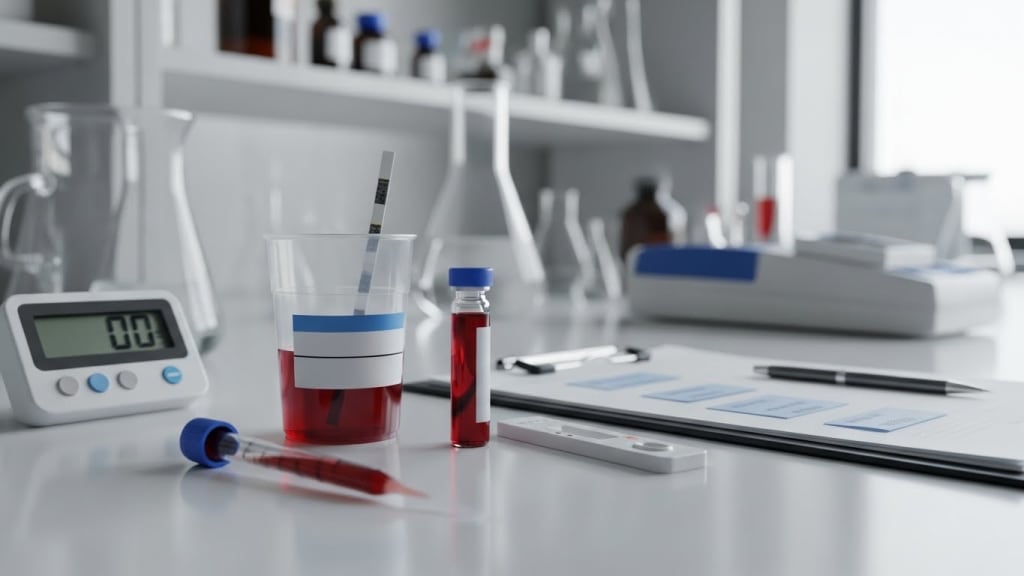
Most people assume cocaine leaves the body as fast as the high fades, but the truth is it often stays detectable far longer than you expect.
I have spoken with many people who were surprised by a positive drug test days after using cocaine just once. Whether your concern is health, employment, or legal consequences, understanding what affects cocaine detection can help you make informed and safer decisions. Let us walk through the real factors that determine how long cocaine remains in your body and why timelines are rarely the same for everyone.
How Cocaine Is Processed in the Body
Once cocaine enters your system, your liver begins breaking it down into metabolites. The most well known of these is benzoylecgonine, which is what most drug tests look for rather than cocaine itself.
While the euphoric effects may last minutes to an hour, metabolites can linger for days. As one addiction medicine expert explained, “The feeling disappears quickly, but the chemical footprint stays behind.” This is why detection windows often surprise people.
Frequency and Amount of Use
Occasional use versus repeated use
How often and how much cocaine you use plays a major role in detection time. A single, small amount may clear faster than repeated or heavy use.
When cocaine is used regularly, metabolites build up in the body. This accumulation extends how long it can be detected, sometimes for a week or more. What feels like casual or spaced out use can still lead to prolonged detection.
Your Metabolism and Overall Health
Your metabolism affects how quickly your body breaks down substances. People with faster metabolic rates often clear cocaine more quickly, while slower metabolism can extend detection time.
Liver health is especially important. Since the liver does most of the processing, conditions like fatty liver disease or hepatitis can significantly slow elimination. Hydration, sleep, and general wellness also influence how efficiently your body clears drugs.
Body Fat and Biological Factors
Cocaine itself is not stored in fat the same way some substances are, but body composition still matters. Higher body fat percentage can influence how metabolites circulate and exit the body.
Age and genetics also play a role. Enzyme differences inherited from your parents can change how efficiently cocaine is processed. These are factors you cannot control, but they help explain why detection timelines vary so widely.
Type of Drug Test Used
Why tests show different results
Different drug tests look for cocaine and its metabolites in different ways.
Urine tests are the most common and can usually detect cocaine metabolites for two to four days, sometimes longer with heavy use. Blood tests have shorter detection windows, while saliva tests fall somewhere in between. Hair tests can detect cocaine use for weeks or even months.
If you are trying to understand realistic detection timelines based on your situation, this guide on how long cocaine stays in your system explains test types and timeframes in a clear and practical way that many people find helpful.
Mixing Cocaine With Other Substances
Combining cocaine with alcohol creates a substance called cocaethylene in the liver. This compound is more toxic and stays in the body longer than cocaine alone.
Mixing substances not only increases health risks but also extends detection time. Many people overlook this factor, yet it is one of the strongest contributors to prolonged presence in the body.
What the Research and Data Show
According to research from the National Institute on Drug Abuse, cocaine remains one of the most commonly detected illicit substances in drug screenings. Their data shows that metabolism, frequency of use, and polysubstance use all significantly affect detection timelines.
Why Detection Time Matters More Than You Think
Knowing how long cocaine is detectable is not just about passing a test. It affects your safety, your health, and sometimes your freedom.
I have seen people make risky decisions because they believed cocaine cleared their system overnight. Understanding detection helps you avoid dangerous assumptions and gives you a chance to make choices rooted in reality rather than hope.
Final Thoughts
Cocaine detection is influenced by many factors, including how often you use it, your health, your metabolism, and the type of test involved. There is no guaranteed shortcut to clearing it faster.
If cocaine use is becoming a concern in your life, learning how it affects your body is an important first step. Awareness creates space for safer decisions, honest conversations, and when needed, seeking support before consequences take over.
About the Creator
Keep reading
More stories from Jordyn Mastrodomenico and writers in Humans and other communities.
The Process of Strategic Planning: A Step-by-Step Guide That Actually Works
Strategic planning isn’t just a corporate buzzword—it’s the backbone of long-term success for any business, startup, or even personal brand. Without a clear strategy, you’re not moving forward; you’re just staying busy.
By M Yawer Yousaf2 days ago in Humans


Comments
There are no comments for this story
Be the first to respond and start the conversation.