
Why Naloxone May Not Work the Same Way on Ketamine
Naloxone May Not Work the Same Way
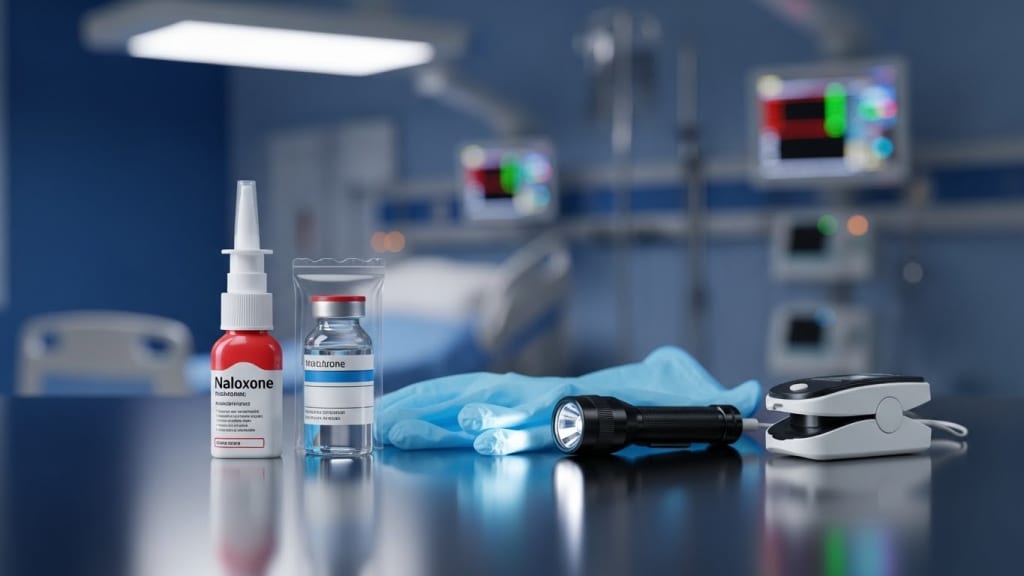
In an overdose emergency, seconds matter, and many people assume naloxone is a universal solution that works the same way for every drug.
I understand why this belief exists. Naloxone has saved countless lives during opioid overdoses, and its reputation is well earned. But when ketamine enters the picture, things work differently. If you or someone you care about is around ketamine use, knowing these differences can change how you respond in a crisis and potentially save a life.
Let us break this down in a clear, honest, and human way.
How Naloxone Works in the Body
Naloxone is designed to reverse opioid overdoses. It works by binding to opioid receptors in the brain and knocking opioids off those receptors. When this happens, breathing can resume, and consciousness may return.
This process is very specific. Naloxone only works when opioids are the cause of respiratory depression. As one emergency medicine physician explained, “Naloxone is incredibly effective, but only when opioids are driving the overdose.”
That distinction matters more than most people realize.
How Ketamine Affects the Brain
Ketamine is not an opioid. It works primarily on NMDA receptors, affecting perception, dissociation, and consciousness. While ketamine can slow breathing at high doses, it does so through a different mechanism than opioids.
Because ketamine does not attach to opioid receptors in the same way, naloxone often has little or no effect on ketamine related symptoms. This can be confusing in emergencies, especially when people expect a quick reversal.
Why Naloxone May Not Reverse Ketamine Effects
The key issue is receptor mismatch. Naloxone has nothing to block when ketamine is the main substance involved.
In some mixed substance overdoses, naloxone may help if opioids are also present. However, if ketamine is the primary driver of the overdose, naloxone may not improve breathing or consciousness.
This does not mean naloxone should be avoided. It simply means expectations need to be realistic.
Common Myths That Can Delay Help
Naloxone works on all overdoses
This is one of the most dangerous assumptions. Believing naloxone is a cure all can delay calling emergency services when immediate medical care is still needed.
If naloxone does not work, nothing will
This is also false. Supportive care such as airway management, oxygen, and medical monitoring are critical in ketamine related emergencies.
Understanding these myths can help you respond faster and smarter under pressure.
What to Do During a Ketamine Related Emergency
If someone is unresponsive or breathing slowly after ketamine use, always treat it as a medical emergency.
Call emergency services immediately. If naloxone is available, it is still reasonable to administer it because opioids may be involved without your knowledge. However, do not wait to see if it works before seeking help.
If you want a clearer explanation of whether naloxone can reverse ketamine and what actually happens in real scenarios, this resource on whether naloxone reverses ketamine explains the science and safety considerations in more detail and can help you prepare for real world situations.
What the Research and Data Show
According to research shared by the National Institute on Drug Abuse, ketamine overdoses often involve polysubstance use, meaning more than one drug is present. Their data also highlights that non opioid overdoses still require rapid medical intervention even when naloxone is administered. You can review overdose and substance use statistics through NIDA, which provides evidence based insights into how different drugs affect the body.
This data reinforces why understanding drug specific responses matters in emergencies.
Why Education Saves Lives
I have seen how panic and misinformation can slow response times. Knowing that naloxone may not reverse ketamine does not reduce its importance. Instead, it helps you act more decisively.
Education allows you to call for help sooner, avoid false reassurance, and focus on supportive care until professionals arrive. In overdose situations, informed action is one of the most powerful tools you have.
Final Thoughts
Naloxone is a life saving medication, but it is not a universal antidote. Ketamine affects the brain differently, which is why naloxone may not work the same way.
If you or people around you are exposed to ketamine, understanding this difference can shape how you respond in critical moments. Fast action, realistic expectations, and immediate medical help can make all the difference when it matters most.
About the Creator
Keep reading
More stories from Jordyn Mastrodomenico and writers in Humans and other communities.
FPS: The Last Flame Challenge Winners
Welcome to our first Winners Announcement of the year and to the final challenge in the Fall Poetry Series. The Last Flame invited writers to sit with endings, using fire as a central image to consider what remains when something burns out: ash, warmth, memory, silence, or the faint promise of what comes next. The strongest pieces treated endings as gradual rather than sudden, allowing them to flicker, dim, and linger.
By Vocal Curation Team6 days ago in Resources


Comments
There are no comments for this story
Be the first to respond and start the conversation.