
What Are the Signs That Someone is Anti-Vulnerable?
Discover the Characteristics of Individuals Who Resist Vulnerability

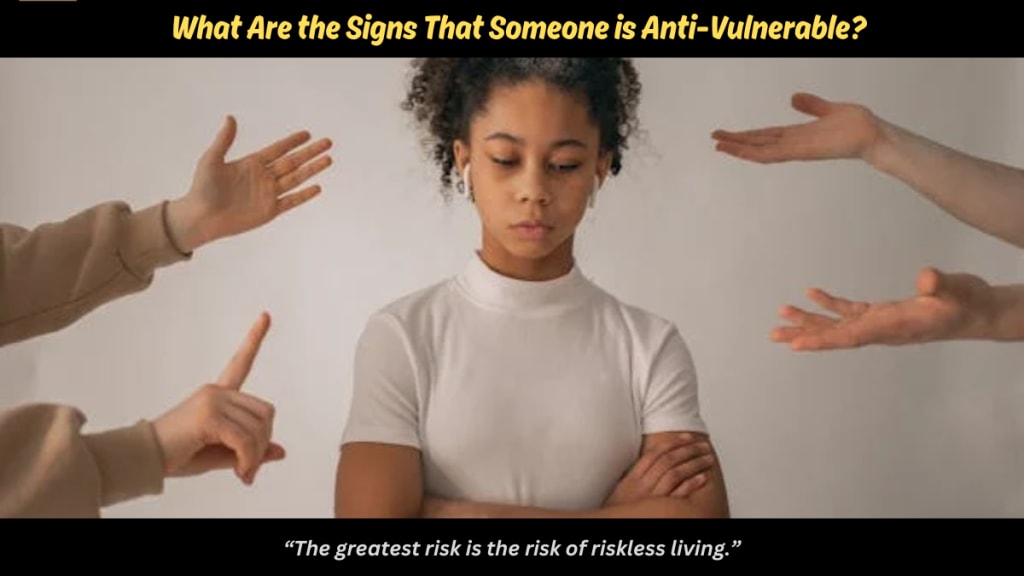
Vulnerability is often seen as a strength, a way to connect deeply with others. However, some individuals exhibit anti-vulnerable behaviors that shield them from forming intimate relationships. Understanding these signs can help you navigate your interactions and foster healthier connections. In this article, we'll explore the characteristics of anti-vulnerable individuals and provide tips for engaging with them effectively.
Understanding Vulnerability
What is Vulnerability?
Vulnerability means being open to emotional exposure and risk. It involves sharing your true feelings, fears, and desires with others. While it can be daunting, vulnerability is essential for building trust and intimacy in relationships. It allows for authentic connections and fosters deeper understanding. When individuals embrace vulnerability, they often experience greater emotional resilience and stronger bonds with their partners.
The Concept of Anti-Vulnerability
Anti-vulnerability refers to behaviors and attitudes that resist emotional openness. Individuals who are anti-vulnerable often prioritize self-protection over connection, which can hinder their relationships. This defense mechanism can stem from past trauma, fear of rejection, or a desire to maintain control. Recognizing the signs of anti-vulnerability can help you understand their behavior and find effective communication methods. It's important to note that anti-vulnerability is often a learned response, usually developed as a way to cope with emotional pain or insecurity.

Signs of Anti-Vulnerability
1. Emotional Detachment
One of the most significant signs of anti-vulnerability is emotional detachment. Individuals may appear indifferent or aloof, avoiding emotional conversations. For example, during discussions about feelings, they may change the subject or shut down entirely. This behavior protects them from potential emotional pain but can leave their partners feeling disconnected. Emotional detachment can also manifest as a lack of enthusiasm or engagement in activities that require emotional investment.
2. Fear of Intimacy
Anti-vulnerable individuals often fear intimacy. They may struggle to form close relationships or push partners away when things get too close. For instance, they might sabotage relationships by creating conflicts or withdrawing affection. This fear can stem from past experiences where vulnerability led to hurt or betrayal. The avoidance of intimacy can lead to a cycle of loneliness, as they desire connection but simultaneously resist it.
3. Overly Critical Attitude
People who are anti-vulnerable may adopt an overly critical attitude toward themselves and others. They might criticize their partner's feelings or dismiss their concerns. This behavior acts as a defense mechanism to keep others at arm's length. For example, if a partner expresses sadness, an anti-vulnerable person may respond with, “You’re overreacting,” which invalidates feelings and reinforces emotional distance. This critical attitude can also extend to self-deprecation, where they continuously undermine their worth.
4. Difficulty Expressing Feelings
Anti-vulnerable individuals often have trouble expressing their emotions. They may struggle to articulate their feelings or avoid discussing them altogether. This can lead to misunderstandings and frustration in relationships. For instance, when asked about their feelings, they might respond with vague statements like “I’m fine” or “It doesn’t matter,” which prevents a deeper connection. This difficulty can create an emotional barrier, making it challenging for partners to understand their true needs and desires.

5. Control Issues
A desire for control is another sign of anti-vulnerability. Individuals may feel the need to control situations and people around them to avoid feeling vulnerable. For example, they might micromanage their partner’s actions or decisions, believing that this will protect them from emotional exposure. This need for control can create tension and conflict in relationships, as partners may feel suffocated or stifled. The desire to control can also manifest in jealousy or possessiveness, further complicating relationships.
6. Avoidance of Deep Conversations
Anti-vulnerable people often avoid deep or meaningful conversations. They may prefer light topics and shun discussions about feelings, relationships, or personal issues. For example, during a conversation that touches on emotional topics, they might change the subject to something trivial, such as the weather or sports, to evade vulnerability. This avoidance can prevent the development of a deeper emotional connection and leave their partners feeling frustrated or unfulfilled.
7. Dependency on Humor
Some anti-vulnerable individuals rely heavily on humor as a defense mechanism. They may use jokes to deflect serious conversations or to mask their true feelings. While humor can be a bonding tool, it can also serve as a barrier to emotional intimacy. For instance, if asked about their feelings, they might respond with a joke instead of a genuine answer. This reliance on humor can create a superficial connection, preventing deeper understanding and empathy in the relationship.
8. Reluctance to Apologize
Individuals who resist vulnerability often have a hard time admitting when they are wrong. They may avoid apologizing or acknowledging their mistakes, fearing it will expose their weaknesses. This reluctance can damage relationships, as partners may feel unvalued or disrespected. For example, instead of apologizing after an argument, they might justify their actions or shift blame onto others. This behavior can lead to resentment and a breakdown of trust in the relationship.
9. Inability to Accept Help
Anti-vulnerable individuals may struggle to accept help or support from others. They might perceive asking for help as a sign of weakness, which reinforces their self-protective stance. For example, they may refuse to lean on friends or family during difficult times, opting to handle everything on their own. This behavior not only isolates them but also prevents meaningful connections with those who genuinely want to support them.
10. Consistent Distraction
Another common sign of anti-vulnerability is a tendency to distract themselves from their emotions. This could manifest through excessive engagement in work, hobbies, or even substance use. By keeping busy, they avoid confronting their feelings and the vulnerability that comes with emotional introspection. For instance, they might work long hours to escape personal issues, leading to further disconnection from their partner and themselves.

Tips for Engaging with Anti-Vulnerable Individuals
1. Be Patient
When dealing with anti-vulnerable individuals, patience is crucial. Understand that their behaviors are often rooted in fear or past experiences. Allow them time to feel comfortable expressing their feelings. Avoid pushing them into vulnerability, as this can lead to further withdrawal.
2. Offer Support
Show support by being a reliable and non-judgmental presence. Let them know you are there for them without forcing them to open up. For instance, you might say, “I’m here if you ever want to talk,” which creates an inviting atmosphere without pressure.
3. Use Open-Ended Questions
Encourage deeper conversations by asking open-ended questions. This invites them to share their thoughts and feelings without feeling cornered. For example, instead of asking, “Did you have a good day?” try “What was the best part of your day?” This approach can lead to more meaningful exchanges.

4. Respect Their Boundaries
Understand and respect their boundaries. If they are not ready to discuss certain topics, don’t push them. Show that you value their comfort, which can help them feel more secure over time. For instance, if they need space, give them that time without taking it personally.
5. Model Vulnerability
You can help them feel more comfortable with vulnerability by modeling it yourself. Share your feelings and experiences openly, demonstrating that it’s okay to be vulnerable. This can encourage them to reciprocate in their own time. For example, you might share a personal challenge and how it made you feel, inviting them to share their thoughts.
6. Educate Them on Vulnerability
Sometimes, anti-vulnerable individuals may not fully understand the concept of vulnerability or its benefits. Engaging in conversations about the importance of vulnerability in relationships can help them see its value. Share resources such as articles, books, or videos that discuss vulnerability in a positive light.
7. Celebrate Small Steps
Acknowledge and celebrate any small steps they take toward vulnerability. Positive reinforcement can encourage them to continue opening up. For example, if they share a personal story, express appreciation for their trust. This acknowledgment can motivate them to engage more deeply in the future.

Famous Quotes About Vulnerability
- “Vulnerability is not weakness. And that myth is profoundly dangerous. Vulnerability is courage.” – Brené Brown.
- “The greatest risk is the risk of riskless living.” – Stephen R. Covey
- “To love at all is to be vulnerable. If you want to make sure of keeping it intact, you must give your heart to no one.” – C.S. Lewis
- “Vulnerability is the birthplace of innovation, creativity, and change.” – Brené Brown
- “There is no innovation and creativity without failure. Period.” – Brené Brown
These quotes highlight the importance of vulnerability in fostering connection and personal growth. They remind us that embracing vulnerability can lead to richer, more fulfilling relationships.
Conclusion
Recognizing the signs of anti-vulnerability is essential for understanding and navigating relationships with individuals who struggle with emotional openness. By understanding their behaviors, you can create a supportive environment that encourages vulnerability over time. Remember that patience, empathy, and open communication are key ingredients for fostering deeper connections.
As you engage with anti-vulnerable individuals, keep in mind that vulnerability is a journey, not a destination. It takes time and effort to build trust and openness. By modeling vulnerability yourself and providing a safe space for them, you can help create a more authentic and fulfilling relationship. Ultimately, embracing vulnerability can lead to stronger connections, improved communication, and a deeper understanding of one another.
In summary, addressing anti-vulnerability requires a thoughtful approach. By remaining consistent in your support and understanding, you can help guide individuals toward greater emotional openness. This process will not only strengthen your relationship but also enrich your own emotional landscape, allowing for deeper connections in all areas of your life.
FAQs
What are the main signs of anti-vulnerability?
Key signs include emotional detachment, fear of intimacy, and difficulty expressing feelings. Individuals may also show a critical attitude, have control issues, and avoid deep conversations, making it challenging to connect on a meaningful level.
How can I encourage someone to be more vulnerable?
Encourage vulnerability by creating a safe and supportive environment. Use open-ended questions and share your feelings to model vulnerability. Respect their boundaries and be patient, allowing them to open up at their own pace.
Is anti-vulnerability related to past trauma?
Yes, anti-vulnerability often stems from past trauma or experiences that led individuals to prioritize self-protection. Understanding their background can help you approach the situation with empathy and patience.
Can anti-vulnerable behavior change over time?
Yes, with support and understanding, anti-vulnerable behavior can change. Building trust through consistent, open communication can encourage individuals to become more comfortable with vulnerability over time.
What should I avoid when dealing with anti-vulnerable individuals?
Avoid pushing them into vulnerability or criticizing their feelings. Steer clear of making them feel judged or pressured, as this can lead to further withdrawal. Instead, focus on creating a supportive atmosphere.
Special Note on Image Resources
For high-quality images to enhance your article, visit Unsplash and Pexels. These platforms provide a diverse range of free stock photos that can visually complement your content and engage your readers. Explore their collections for the perfect visuals to support your message!
If you found this article helpful and are eager to enhance your relationships even further, we invite you to explore more insightful articles on our site! Discover expert tips, effective strategies, and valuable advice designed to help you navigate love and improve communication. Don’t miss out on the opportunity to unlock the benefits of healthier connections! Click here to dive in now and transform your relationships!
The End.
About the Creator
Abdul Jamil Nasir
Hello! I’m Abdul Jamil Nasir, a passionate writer exploring life, love, and culture. I focus on relationships, personal growth, and human emotions, believing in the power of words to inspire and connect with readers.
Keep reading
More stories from Abdul Jamil Nasir and writers in Humans and other communities.
How Do You Rebuild Trust in a Relationship After a Conflict?
Conflict is a natural part of any relationship, but it can leave scars, especially when trust is broken. Rebuilding trust after a conflict requires effort, understanding, and patience. This article will explore strategies to help you restore trust in your relationship, along with practical tips and insights that will guide you through the process.
By Abdul Jamil Nasirabout a year ago in Humans
Sophie Turner
Introduction Sophie Turner is a famous English actress. She is best known for her role as Sansa Stark in the popular TV series Game of Thrones. Sophie became famous at a young age and grew up in front of the camera. Over the years, she has worked hard to improve her acting skills and build a strong career in film and television. She is admired not only for her talent but also for her honesty about personal struggles and mental health.
By Farhan Sayed2 days ago in Humans



Comments
There are no comments for this story
Be the first to respond and start the conversation.