
How Do You Rebuild Trust in a Relationship After a Conflict?
Discover How to Restore Trust and Strengthen Your Connection

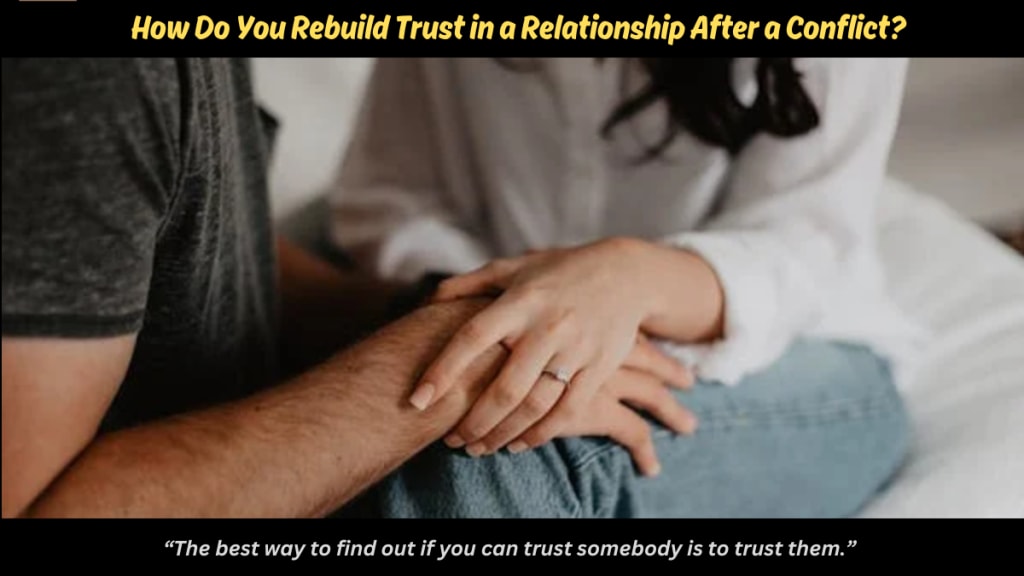
Conflict is a natural part of any relationship, but it can leave scars, especially when trust is broken. Rebuilding trust after a conflict requires effort, understanding, and patience. This article will explore strategies to help you restore trust in your relationship, along with practical tips and insights that will guide you through the process.
Understanding Trust in Relationships
What is Trust?
Trust is the foundation of any healthy relationship. It involves believing in your partner's integrity, reliability, and intentions. Trust is built over time through consistent actions, open communication, and shared experiences. When trust is present, partners feel safe and secure, allowing them to be vulnerable and authentic with each other.
The Impact of Conflict on Trust
Conflicts can arise from misunderstandings, differing values, or unmet needs. When handled poorly, these conflicts can damage trust. For example, if a partner feels disrespected or ignored during a disagreement, it may lead to feelings of betrayal. Understanding the root cause of the conflict is essential for moving forward.
Moreover, conflicts can trigger insecurities. A partner may start to question their worth or the stability of the relationship. This is why addressing conflicts constructively is vital for maintaining trust.

Tips for Rebuilding Trust After Conflict
1. Acknowledge the Conflict
The first step in rebuilding trust is to acknowledge that a conflict occurred. Ignoring or downplaying the issue can lead to resentment. Sit down with your partner and openly discuss what happened. For instance, if a disagreement escalated to hurtful words, acknowledge the impact those words had on your partner’s feelings. You might say, “I recognize that my words hurt you, and I’m sorry for that.” This acknowledgment shows that you are aware of the harm caused.
2. Take Responsibility
Taking responsibility for your actions is crucial. If you played a role in the conflict, admit your part without blaming your partner. For example, if you interrupt your partner during a discussion, apologize sincerely. Accepting responsibility shows your partner that you value their feelings and are committed to making things right. A sincere apology can be a powerful step in healing the rift.
3. Communicate Openly
Effective communication is key to rebuilding trust. Share your feelings honestly while encouraging your partner to express theirs. Use “I” statements to avoid sounding accusatory. For example, say, “I felt hurt when you said that,” rather than, “You always hurt me.” This approach fosters understanding and reduces defensiveness.
Creating a dedicated time to talk can also be helpful. This allows both partners to prepare mentally for an honest discussion. Set aside distractions, and create a comfortable environment where open communication can thrive.

4. Show Empathy
Empathy is the ability to understand and share the feelings of another. Show your partner that you care about their emotions. For instance, if your partner feels neglected, acknowledge their feelings and express understanding. Saying something like, “I can see why you felt that way; I’m sorry,” can go a long way in rebuilding trust.
Practice active listening during these conversations. This means truly hearing what your partner is saying without planning your response while they speak. Reflecting on their feelings to them can demonstrate your empathy and commitment to understanding their perspective.
5. Create a Safe Space
Establishing a safe environment for discussions is vital. Make sure both partners feel comfortable expressing their thoughts and feelings without fear of judgment. You might create a “safe word” that either partner can use if they feel overwhelmed during discussions. This technique can help maintain a supportive atmosphere.
Additionally, consider setting rules for discussions about sensitive topics. Agree to avoid name-calling or bringing up past grievances that aren’t relevant to the current issue. This helps keep the conversation focused and productive.
6. Be Patient
Rebuilding trust takes time. Don’t expect instant results; instead, be patient with yourself and your partner. Recognize that healing is a process. For example, if your partner needs time to regain trust in your words, respect their pace. Consistency in your actions will gradually help rebuild their confidence in you.
Consider creating a timeline for rebuilding trust. This may include specific milestones, such as having regular check-ins to discuss feelings and progress. By setting clear expectations, both partners can feel more secure in the process.

7. Establish New Boundaries
After a conflict, it’s essential to reassess and establish new boundaries. Discuss what is acceptable and what is not in your relationship. For instance, if certain topics lead to heated arguments, agree to approach those topics more gently or at a better time. Clear boundaries can prevent future conflicts and enhance trust.
You might also want to discuss boundaries around emotional availability. For example, agree on times when you will prioritize each other and when you may need space to process your feelings independently.
8. Engage in Positive Reinforcement
Encourage positive interactions to help rebuild trust. For example, make an effort to compliment your partner or express gratitude for their support. Small gestures, like leaving a note expressing appreciation, can reinforce the bond between you and show your partner that you care.
Consider scheduling regular “appreciation dates” where you take turns expressing what you love about each other. This practice can keep the focus on the positives in your relationship, helping to offset the negative feelings from conflicts.
9. Seek Professional Help
If conflicts persist or trust issues remain unresolved, consider seeking the help of a therapist. A professional can provide tools and strategies to improve communication and rebuild trust. Couples therapy can be particularly beneficial, as it offers a safe space for both partners to express their feelings and work through issues together.
Therapists can also help you identify patterns in your communication and behavior that may be contributing to conflicts. By addressing these patterns, you can foster healthier interactions moving forward.

Famous Quotes About Trust and Relationships
- “Trust is the glue of life. It’s the most essential ingredient in effective communication. It’s the foundational principle that holds all relationships.” – Stephen R. Covey
- “The best way to find out if you can trust somebody is to trust them.” – Ernest Hemingway
- “To be trusted is a greater compliment than being loved.” – George MacDonald
- “Trust is built with consistency.” – Lincoln Chafee
- “In the end, you have to choose whether to trust someone or not.” – Unknown
These quotes emphasize the significance of trust in relationships and highlight the efforts required to maintain it.

Conclusion
Rebuilding trust after a conflict is a challenging but rewarding journey. It requires open communication, empathy, and a commitment to understanding each other’s feelings. By acknowledging the conflict, taking responsibility, and creating a safe space for discussions, you can restore the trust that may have been damaged.
Trust is a delicate fabric that can fray but can also be beautifully woven back together. This process may involve revisiting past grievances, but it should always be approached with a sense of hope and commitment. Remember, trust is not rebuilt overnight; it takes consistent effort, patience, and understanding from both partners.
Establishing new boundaries and engaging in positive reinforcement can further strengthen your relationship. Seek professional help if necessary, and don’t hesitate to invest in your emotional connection.
As you work together to rebuild trust, keep in mind that every relationship has its ups and downs. The key is to learn from conflicts and emerge stronger together. With dedication and love, you can navigate through challenges and create a deeper, more meaningful connection.
FAQs
1- What is the first step to rebuilding trust after a conflict?
The first step is to acknowledge the conflict. Ignoring the issue can lead to resentment. Openly discuss what happened and its impact on both partners to begin the healing process.
2- How can I communicate effectively during a conflict?
Use “I” statements to express your feelings without blaming your partner. For example, say, “I felt hurt by that comment,” instead of “You always hurt me.” This approach fosters understanding and reduces defensiveness.
3- Is it normal for rebuilding trust to take time?
Yes, rebuilding trust takes time and patience. Don’t expect instant results; allow your partner to process their feelings at their own pace. Consistency in your actions will help restore their confidence in you.
4- What role does empathy play in rebuilding trust?
Empathy allows you to understand and share your partner's feelings. Acknowledging their emotions and expressing understanding shows that you care about their perspective, which is vital for rebuilding trust.
5- When should I consider seeking professional help?
If conflicts persist or trust issues remain unresolved, consider seeking therapy. A professional can provide valuable insights and tools to improve communication and help both partners rebuild trust effectively.
Special Note on Image Resources
For high-quality images to enhance your article, visit Unsplash and Pexels. These platforms provide a diverse range of free stock photos that can visually complement your content and engage your readers. Explore their collections for the perfect visuals to support your message!
If you found this article helpful and are eager to enhance your relationships even further, we invite you to explore more insightful articles on our site! Discover expert tips, effective strategies, and valuable advice designed to help you navigate love and improve communication. Don’t miss out on the opportunity to unlock the benefits of healthier connections! Click here to dive in now and transform your relationships!
The End.
About the Creator
Abdul Jamil Nasir
Hello! I’m Abdul Jamil Nasir, a passionate writer exploring life, love, and culture. I focus on relationships, personal growth, and human emotions, believing in the power of words to inspire and connect with readers.
Keep reading
More stories from Abdul Jamil Nasir and writers in Humans and other communities.
Navigating a Love Triangle: What to Do When Your Wife Loves Another Man
Discovering that your wife loves another man can be a heart-wrenching experience. It’s a situation filled with confusion, anger, and deep emotional pain. Understanding how to navigate this complex scenario is essential for your mental well-being and future happiness. This article explores the steps you can take if you find yourself in this difficult position, offering practical advice and insights to help you cope.
By Abdul Jamil Nasirabout a year ago in Humans
How Local Singles Can Solve Problems Of Dishonesty In Dating
Cheating during dating is done in a subtle way and in most cases, single people fail to notice this in the early stages. Examples of red flags are discrepancies in stories, dodging a particular question or abrupt change of behavior. Deception can also be reflected in emotional indicators such as defensiveness, avoidance or unwillingness to divulge information. The ability to identify these indicators is important in safety measures against recurrent disappointment or heartbreak. Local singles have to learn to have awareness and follow their intuitions besides checking facts where required so that they can be able to avoid dating situations more easily and waryly.
By Robert Smith3 days ago in Humans




Comments
There are no comments for this story
Be the first to respond and start the conversation.