
What Are Diabetic Socks and Do You Need Them?
What Are Diabetic Socks

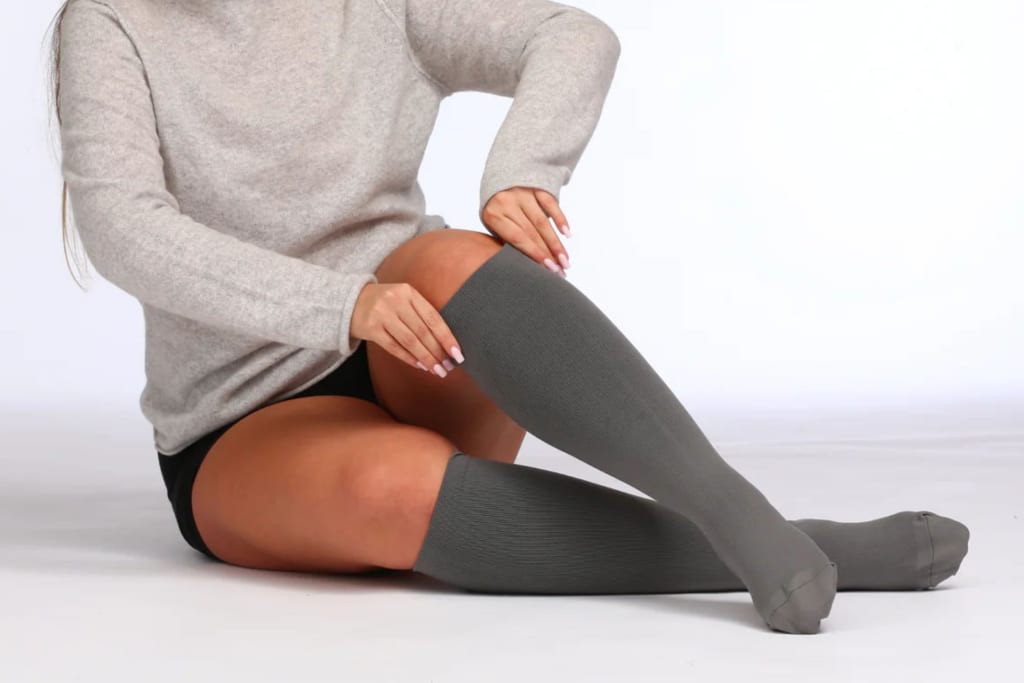
Diabetes is a chronic condition that affects how your body processes blood sugar. One of the lesser-known complications of diabetes is its impact on foot health. High blood sugar levels can lead to nerve damage and poor circulation, making the feet more susceptible to injuries and infections. This is where diabetic socks come into play.
Diabetic socks are specially designed to address the unique needs of individuals with diabetes. They aim to prevent common foot problems such as ulcers, blisters, and infections. By offering features like improved circulation, moisture control, and reduced friction, these socks play a crucial role in maintaining foot health for those managing diabetes.
What Are Diabetic Socks?
Diabetic socks are specially designed to meet the unique needs of individuals managing diabetes, aiming to prevent common foot complications such as ulcers, blisters, and infections. Unlike regular socks, diabetic socks are crafted from materials that promote healthy circulation, keep feet dry, and reduce the risk of skin injuries.
By incorporating these features, diabetic socks play an important role in maintaining foot health for those managing diabetes. They help prevent foot ulcers and infections, improve blood circulation, enhance comfort, and aid in the early detection of foot issues.
In addition to wearing diabetic socks, it's important to inspect your feet daily, wash them with warm water and mild soap, keep them moisturized (avoiding lotion between the toes), wear proper footwear, and engage in regular exercise to promote good circulation.
Investing in high-quality diabetic socks can make a significant difference in your foot health, providing comfort and protection tailored to the specific needs of individuals with diabetes.
Key Features of Diabetic Socks
Seamless Design: Many diabetic socks are seamless to prevent friction and reduce the risk of blisters.
Non-Binding Tops: They often have non-binding tops to ensure proper blood flow without restricting circulation.
Moisture-Wicking Materials: These socks are made from materials that draw moisture away from the skin, keeping feet dry and reducing the risk of fungal infections.
Antimicrobial Properties: Some diabetic socks include antimicrobial treatments to help prevent bacterial and fungal growth.
Cushioned Soles: They may have extra padding to provide comfort and protect sensitive areas of the feet.
What Diabetic Socks Do?
Diabetic socks serve several important functions:
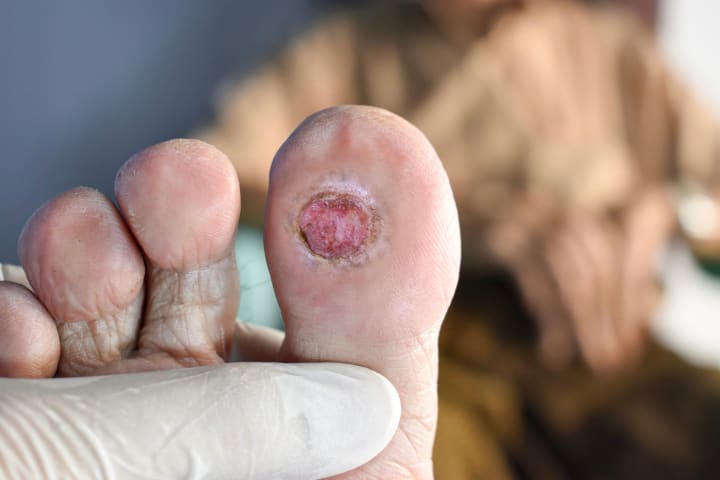
Prevent Foot Ulcers and Infections: By reducing friction and keeping feet dry, these socks help prevent ulcers and infections.
Improve Blood Circulation: The non-binding tops and proper fit of diabetic socks help promote better blood flow to the feet.
Enhance Comfort: The soft, cushioned materials provide comfort, especially for individuals who spend long periods on their feet.
Early Detection of Foot Issues: Some diabetic socks have white soles, making it easier to spot any cuts or sores on the feet.
Why People with Diabetes Need Special Socks
Diabetes can lead to nerve damage (neuropathy) and poor circulation, both of which increase the risk of foot problems. Specialized socks are designed to address these issues by promoting healthy circulation, reducing friction, and keeping feet dry.
Retain Your Feet Dry to Avoid Bacterial and Fungal Infections
Keeping feet dry is essential for preventing infections. Moisture-wicking materials in diabetic socks help draw sweat away from the skin, reducing the risk of bacterial and fungal growth.
Resistance Less and Soft Yarn
Diabetic socks are often made from soft, non-abrasive yarns to minimize friction and prevent skin irritation. This is particularly important for individuals with neuropathy, as they may not feel minor injuries that could lead to serious complications.
Increase Blood Flow and Assure Healing and Warmth
The non-binding tops and proper fit of diabetic socks help promote better blood circulation to the feet. Improved circulation aids in healing and helps maintain foot warmth, which is important for overall foot health.
Difference Between Diabetic Socks and Regular Socks
While regular socks may be comfortable, they often lack the specialized features needed for diabetic foot care. Diabetic socks are designed with seamless construction, non-binding tops, moisture-wicking materials, and antimicrobial properties to address the specific needs of individuals with diabetes.
Other Ways to Care for Your Diabetic Feet
In addition to wearing diabetic socks, it's important to:
Inspect Your Feet Daily: Look for cuts, blisters, redness, or swelling.
Wash Your Feet Daily: Use warm water and mild soap, and dry them thoroughly, especially between the toes.
Keep Your Feet Moisturized: Apply lotion to prevent dry skin, but avoid putting lotion between the toes.
Wear Proper Footwear: Choose shoes that fit well and protect your feet.
Exercise Regularly: Engage in activities that promote good circulation, like walking.
Where to Buy Diabetic Socks
You can easily buy diabetic socks by visiting your local pharmacies or nearby medical stores. These specialized socks are also available online, offering a wide range of options to suit your needs.
Considerations When Purchasing:
Size: Ensure you select the correct size for a comfortable fit.
Material: Opt for moisture-wicking fabrics to keep feet dry.
Design: Look for seamless designs to reduce friction and prevent blisters.
Conclusion
Managing foot health is a critical aspect of diabetes care. Diabetic socks are a valuable tool in preventing common foot problems associated with diabetes, such as ulcers, blisters, and infections. By promoting healthy circulation, keeping feet dry, and reducing friction, these socks play a crucial role in maintaining foot health for those managing diabetes.
In addition to wearing diabetic socks, it's important to inspect your feet daily, wash them with warm water and mild soap, keep them moisturized (avoiding lotion between the toes), wear proper footwear, and engage in regular exercise to promote good circulation. Investing in high-quality diabetic socks can make a significant difference in your foot health, providing comfort and protection tailored to the specific needs of individuals with diabetes.
About the Creator
Autonomy Is The Real Privilege
Good morning, freedom-seekers! Today we’re gonna be looking at autonomy. A strange word, I know; one many would probably look at blankly and run away from on sight. We’re gonna figure out what it actually means, consider how it’s achieved, and decipher just how deeply most of us are tangled up in dependence without realising it.
By That ‘Freedom’ Guy5 days ago in Humans
After two millennia, the Commodus passage is once again accessible to the general public.
Visitors to Rome are exploring the Commodus Passage, a secret passageway in the Colosseum that was formerly only accessible to emperors, for the first time in nearly two millennia.
By Francis Damiabout 12 hours ago in Humans




Comments (1)
I love wearing my diabetic socks! Great work!