
Diabetic Socks for Men vs. Women: Understanding the Differences
Diabetic Socks for Men vs. Women


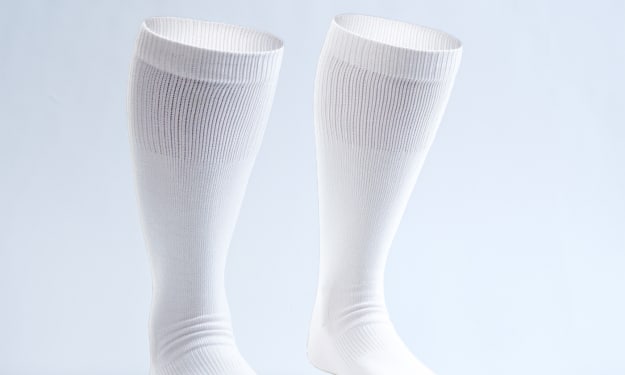
Diabetes is a long-term condition that affects millions of people around the world, often causing problems like nerve damage and poor blood flow, especially in the feet. Taking care of your feet is very important for people with diabetes, and wearing the right socks is a key part of that care. Diabetic socks are made to help meet the special needs of diabetic feet, but are there any major differences between those for men and women? This article looks at the similarities and differences between diabetic socks for men and women to help you make the best choice for your foot health.
The Importance of Diabetic Socks
Before delving into gender-specific differences, it's vital to understand why diabetic socks are essential. Individuals with diabetes may experience:
- Neuropathy: Nerve damage leading to reduced sensation in the feet.
- Poor Circulation: Decreased blood flow can slow healing processes.
- Higher Risk of Infections: Due to compromised immune responses and foot injuries going unnoticed.
- Diabetic socks are crafted to address these issues by:
- Enhancing Blood Circulation: Featuring non-binding tops that don't constrict blood flow.
- Reducing Pressure and Friction: Seamless designs minimize the risk of blisters and sores.
- Managing Moisture: Utilizing materials that wick away moisture, preventing fungal infections.
- Providing Cushioning: Extra padding protects sensitive areas from injury.
Common Features in Diabetic Socks
Regardless of gender, quality diabetic socks share several key features:
- Seamless Construction: Prevents irritation and friction that can cause blisters.
- Moisture-Wicking Materials: Keeps feet dry to prevent infections.
- Non-Binding Tops: Ensures socks stay up without restricting circulation.
- Antimicrobial Properties: Some socks incorporate materials like copper or silver ions to combat bacteria and fungi.
- Cushioning: Provides extra support and comfort, especially in pressure-prone areas.
Gender-Specific Differences in Diabetic Socks
While the primary functions of diabetic socks remain consistent, subtle differences cater to the anatomical and aesthetic preferences of men and women.
Size and Fit
- Men's Diabetic Socks: Typically designed for larger foot sizes, ranging from sizes 8 to 14. They offer a broader fit to accommodate wider feet.
- Women's Diabetic Socks: Designed for smaller foot sizes, usually ranging from sizes 5 to 10, with a narrower fit to suit the contours of women's feet.
Ensuring a proper fit is important, as ill-fitting socks can cause bunching, leading to friction and potential sores.
Design and Aesthetics
- Men's Diabetic Socks: Often come in neutral or darker colors like black, navy, or gray, aligning with traditional male wardrobe choices.
- Women's Diabetic Socks: Available in a broader spectrum of colors, including pastels and brighter hues. They may also feature patterns or decorative elements for a more feminine appeal.
While aesthetics don't impact functionality, personal preference plays a role in comfort and satisfaction.
Length and Style
- Men's Diabetic Socks: Commonly available in crew or calf-length styles, suitable for wearing with trousers and providing ample coverage.
- Women's Diabetic Socks: Offer more variety, including ankle, crew, and knee-high options, catering to different footwear choices and fashion preferences.
The choice of length can also be functional; for instance, knee-high socks may provide additional support and warmth.
Material Composition
Men's Diabetic Socks: Often made from materials like cotton blends, wool, or synthetic fibers that offer durability and moisture control.
Women's Diabetic Socks: May incorporate softer materials such as bamboo fibers or silk blends, providing a gentle touch and enhanced comfort.
Material choice affects not only comfort but also the sock's ability to manage moisture and temperature.
Choosing the Right Diabetic Socks
Selecting the appropriate diabetic socks involves considering individual needs and preferences rather than focusing solely on gender labels. Here are some tips to guide your choice:
Assess Your Foot Condition: Consider issues like swelling, sensitivity, or existing foot ulcers. Socks with extra cushioning or compression features may be beneficial.
Consider Climate and Activity Level: For warmer climates or active lifestyles, moisture-wicking and breathable materials are essential.
Prioritize Fit Over Labels: Ensure the socks fit well without being too tight or loose. Don't hesitate to try socks labeled for the opposite gender if they offer a better fit or desired features.
Look for Quality Materials: Opt for socks made from high-quality fibers that offer durability, comfort, and effective moisture management.
Consult Healthcare Providers: If you have significant foot issues, seek recommendations from a podiatrist or healthcare professional.
Caring for Your Diabetic Socks
Proper maintenance extends the lifespan of your socks and ensures they function effectively:
Regular Washing: Keep socks clean to prevent bacterial or fungal growth. Use gentle detergents and avoid fabric softeners that can affect moisture-wicking properties.
Air Drying: Whenever possible, air dry your socks to maintain their shape and elasticity.
Inspect for Wear and Tear: Regularly check for signs of wear, such as thinning fabric or holes, and replace socks as needed.
Conclusion
While there are subtle differences in diabetic socks designed for men and women, the primary focus should be on individual comfort, fit, and functionality. By understanding the unique features and benefits of diabetic socks, you can make informed decisions that cater to your specific needs, ensuring optimal foot health and overall well-being.
For high-quality diabetic socks that combine comfort and functionality, consider exploring the offerings at Halloo France. Their range of ultra-comfortable socks is designed to provide exceptional support and relief, helping you maintain healthy feet and enhance your daily comfort.
About the Creator
Whiskey At Dusk
Guess the whiskey was more important to you in the end, wasn’t it? It was more than the well-being of your friends; more vital than showing up to the places you promised you would and could come to; more critical of a matter than fulfilling your damn responsibilities and getting the press off your back.
By Snarky Lisaabout 22 hours ago in Humans
Long Distance Relationship Questions That Test Real Love
Long-distance relationships are common, particularly among Gen Z couples in the United States. College migrations, career starts, visa concerns, and online contacts have all contributed to the prevalence of distance in modern love. Daily texting and video conversations do not determine if a long-distance relationship will endure. It is the questions we ask each other and the honesty with which we respond.
By Relationship Guidea day ago in Humans
Affection and Healing for Yourself
During the night of the last quarter moon, I gathered my ritual supplies. I carefully handled the chunk of black tourmaline that would protect me from your overall negative and narcissistic energy. I carefully walked the house with my stick of selenite in hand, asking the universe to cleanse our working space.
By Alisha Wilkins ✒️🦋🖋️6 days ago in Fiction



Comments
There are no comments for this story
Be the first to respond and start the conversation.