
"Weaving Nature's Tapestry: The Intricate World of Spiders in Green Landscapes".
The fact that there is an average of 50,000 spiders per acre in green areas.
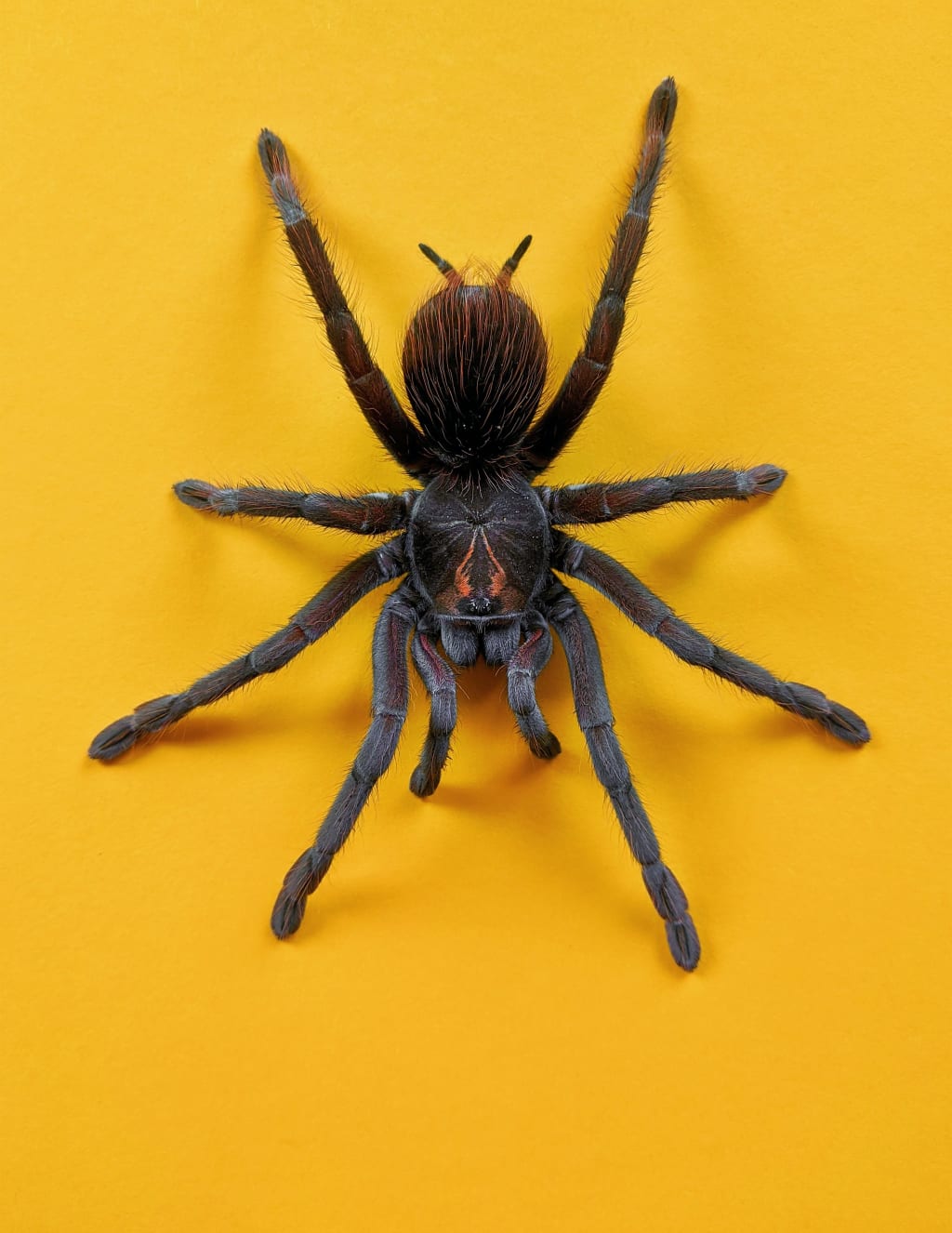
Introduction: The Hidden Architects - Unveiling the Abundance of Spiders in Green Areas
In the seemingly tranquil landscapes of green areas, where sunlight dapples through leaves and a symphony of nature unfolds, a hidden world thrives—one that often escapes the casual observer's eye. Spiders, the silent architects of intricate webs and skilled hunters, weave their existence into the very fabric of green spaces. Astonishingly, an average of 50,000 spiders per acre contributes to the biodiversity tapestry, embodying a crucial and often overlooked dimension of the ecosystems that surround us. In this exploration, we venture into the realms of green areas to unravel the roles, behaviors, and ecological significance of these arachnid inhabitants.
Chapter 1: Webs of Diversity - The Myriad Spider Species in Green Areas
The enchanting world of spiders in green areas encompasses a remarkable diversity of species, each adapted to its unique niche within the ecosystem. From orb-weavers delicately crafting intricate webs to jumping spiders with keen hunting prowess, the arachnid residents contribute to the intricate web of life in ways both seen and unseen.
While the word "spider" might evoke images of silk-spinning weavers, ground-dwelling hunters, like wolf spiders, and wandering hunters, such as crab spiders, are equally essential components of the spider community in green spaces. Together, they form a complex and dynamic tapestry of biodiversity.
Chapter 2: The Web Weavers - Architects of Silk and Precision
The silk-spun creations of orb-weaving spiders, suspended like gossamer threads between branches and leaves, are one of nature's most captivating spectacles. These intricate webs serve as both homes and hunting grounds for the spiders, capturing unsuspecting prey that ventures too close. The meticulous construction of these webs is a testament to the remarkable silk-producing capabilities of spiders.
Spiders employ silk not only for constructing webs but also for other critical purposes. They use silk as draglines for safety, creating retreats, and even as a mode of transportation through a process known as ballooning. The versatility of silk is a testament to the adaptability and resourcefulness of spiders in navigating their environments.
Chapter 3: Silent Predators - The Hunting Techniques of Ground-Dwelling Spiders
While web-building spiders craft their silken masterpieces, ground-dwelling spiders employ different hunting strategies. Wolf spiders, for example, are agile hunters that rely on speed and stealth to capture prey. Their keen eyesight and ability to pounce with precision make them formidable predators in the grassy realms of green areas.
Jumping spiders, with their large front eyes and intricate courtship dances, are renowned for their hunting acumen. They stalk their prey, using silk threads for safety lines and agile leaps to close the gap swiftly. These silent hunters contribute to the ecological balance by controlling insect populations in green landscapes.
Chapter 4: Guardians of the Green - Spiders as Natural Pest Control
The presence of spiders in green areas goes beyond their roles as silk artisans and skilled hunters—they are integral to natural pest control. By preying on a variety of insects, spiders help regulate populations of potential pests, contributing to the overall health of the ecosystem.
In agricultural landscapes and urban green spaces, the ecological services provided by spiders reduce the need for chemical pesticides. This natural form of pest control not only benefits the green areas themselves but also aligns with sustainable and environmentally friendly practices.
Chapter 5: Seasonal Dynamics - The Ebb and Flow of Spider Populations
The abundance of spiders in green areas exhibits seasonal dynamics influenced by factors such as temperature, humidity, and prey availability. During warmer months, spider populations tend to peak as favorable conditions promote increased activity and reproduction.
In contrast, colder seasons may witness a decrease in spider activity, with some species adopting overwintering strategies. This cyclic ebb and flow of spider populations contributes to the resilience and adaptability of these arachnids, ensuring their presence remains an integral part of the green landscapes throughout the changing seasons.
Chapter 6: Ecological Interconnectedness - Spiders as Indicators of Ecosystem Health
The thriving communities of spiders in green areas offer insights into the overall health and biodiversity of ecosystems. As sensitive indicators of environmental changes, spiders respond to alterations in habitat structure, temperature, and food availability. Monitoring spider populations can provide valuable information about the ecological balance and potential disturbances within green landscapes.
Conservation efforts focused on preserving and enhancing green areas benefit from an understanding of the ecological roles played by spiders. By recognizing the intricate connections between spiders and the broader ecosystem, conservationists can implement strategies that foster biodiversity and support the delicate web of life in these vital habitats.
Conclusion: Threads of Life - Embracing the Presence of Spiders in Green Spaces
In the quiet corners of green areas, where blades of grass sway in the breeze and leaves whisper in the wind, spiders silently navigate their intricate domains. Their presence, marked by delicate webs and stealthy hunting expeditions, weaves threads of life into the very fabric of these landscapes. As we peel back the layers of greenery to reveal the myriad roles played by spiders, we come to appreciate their contributions as architects, hunters, and guardians—integral components in the complex and beautiful tapestry of nature that unfold in the spaces we call green.
About the Creator
Keep reading
More stories from fatima zahra ajankar and writers in Humans and other communities.
"Leaping Legends: The Remarkable Vertical Jumps of White-Tailed Jackrabbits".
Introduction: Defying Gravity - White-Tailed Jackrabbits and Their Astonishing Vertical Leaps In the expansive landscapes of North America, where the vastness of prairies and meadows stretches beneath an endless sky, a seemingly unassuming creature defies expectations with unparalleled athleticism—the white-tailed jackrabbit (Lepus townsendii). Renowned as the greatest land jumpers, these hares have been recorded leaping an astonishing 21 feet (6.4 meters) vertically. In this exploration, we delve into the extraordinary world of white-tailed jackrabbits, uncovering the secrets behind their remarkable vertical jumps and the ecological significance of this astounding ability.
By fatima zahra ajankar2 years ago in Humans
Whiskey At Dusk
Guess the whiskey was more important to you in the end, wasn’t it? It was more than the well-being of your friends; more vital than showing up to the places you promised you would and could come to; more critical of a matter than fulfilling your damn responsibilities and getting the press off your back.
By Snarky Lisaa day ago in Humans
Like Rupi, Like Pizza
In a world overflowing with complexity, there is something deeply comforting about simplicity. Few modern figures embody this idea better than poet Rupi Kaur, whose minimalist verses have resonated with millions across the globe. Pair that simplicity with another universal love — pizza — and you get an unexpected but powerful metaphor for how art, culture, and connection work today.
By Aarif Lashari7 days ago in Humans
Affection and Healing for Yourself
During the night of the last quarter moon, I gathered my ritual supplies. I carefully handled the chunk of black tourmaline that would protect me from your overall negative and narcissistic energy. I carefully walked the house with my stick of selenite in hand, asking the universe to cleanse our working space.
By Alisha Wilkins ✒️🦋🖋️6 days ago in Fiction


Comments
There are no comments for this story
Be the first to respond and start the conversation.