
Like Rupi, Like Pizza
Why simple words and simple pleasures continue to win hearts
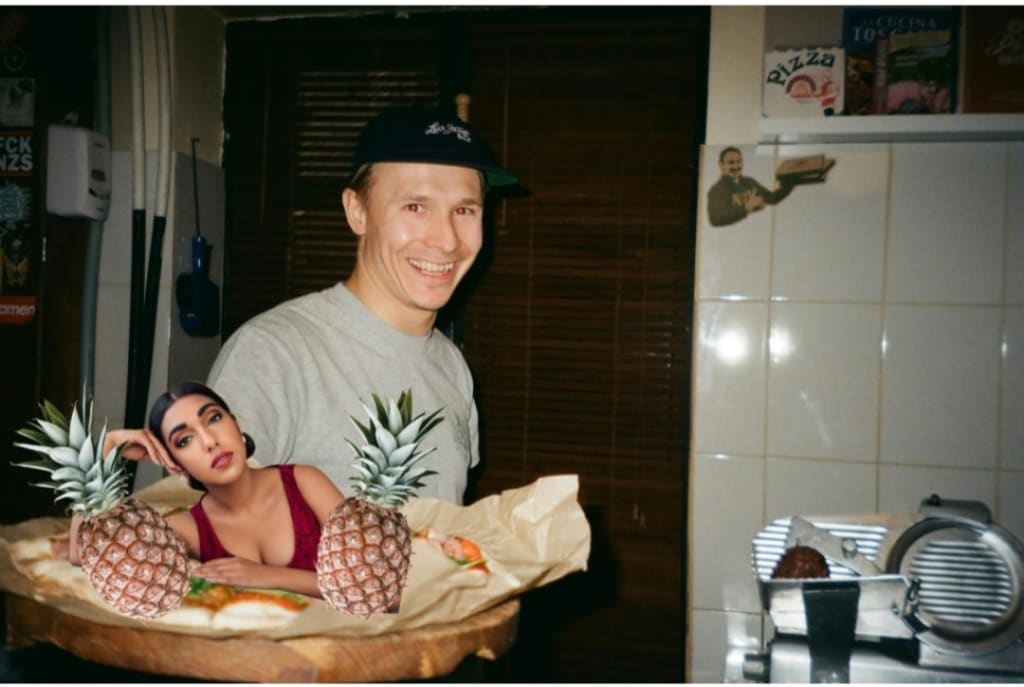
In a world overflowing with complexity, there is something deeply comforting about simplicity. Few modern figures embody this idea better than poet Rupi Kaur, whose minimalist verses have resonated with millions across the globe. Pair that simplicity with another universal love — pizza — and you get an unexpected but powerful metaphor for how art, culture, and connection work today.
“Like Rupi, like pizza” is more than a catchy phrase. It reflects a cultural truth: people crave things that are easy to consume, emotionally satisfying, and widely relatable. Whether it’s a short poem shared on social media or a slice of pizza enjoyed with friends, simplicity has become the ultimate form of connection.
The Power of Simplicity in a Noisy World
Modern life is fast, loud, and overwhelming. Endless scrolling, constant notifications, and information overload leave people exhausted. Against this backdrop, simple pleasures stand out.
Rupi Kaur’s poetry does not demand academic training or literary expertise. Her words are accessible, brief, and emotionally direct. Similarly, pizza doesn’t require explanation. You don’t need a refined palate to enjoy it. Both succeed because they remove barriers and invite everyone in.
This simplicity isn’t laziness; it’s intentional. In both poetry and food, the challenge lies in creating something minimal that still feels meaningful.
Rupi Kaur and the Rise of Digestible Poetry
Rupi Kaur transformed modern poetry by adapting it to how people actually live and read today. Her short lines, lowercase letters, and themes of love, pain, healing, and identity fit perfectly into the rhythm of social media.
Critics often dismiss her work as “too simple,” but that criticism misses the point. Her poetry isn’t meant to impress scholars; it’s meant to comfort readers. Like pizza, it’s not trying to be exclusive. It’s meant to be shared, enjoyed, and revisited.
People return to Rupi’s poems for the same reason they return to comfort food: they recognize themselves in it.
Pizza: The Universal Language of Comfort
Pizza is one of the few foods that transcends borders, cultures, and generations. From street corners to high-end restaurants, from late-night cravings to family gatherings, pizza shows up everywhere.
Why? Because it’s adaptable. Thin crust or deep dish, vegetarian or loaded with toppings, gourmet or frozen — pizza meets people where they are.
In this way, pizza mirrors Rupi Kaur’s poetry. Both are endlessly adaptable, endlessly shareable, and deeply personal despite their mass appeal. Everyone has a favorite slice. Everyone has a poem that feels written just for them.
Popular Doesn’t Mean Meaningless
There’s a tendency to equate popularity with a lack of depth. If something is loved by millions, it must be shallow — or so the argument goes. But pizza has fed families, fueled friendships, and anchored celebrations for decades. Rupi’s poems have helped readers process grief, heartbreak, and self-worth.
Accessibility does not cancel meaning. In fact, it often amplifies it. When art or food becomes part of everyday life, it stops being distant and starts becoming personal.
Like pizza, Rupi’s work isn’t about impressing critics; it’s about nourishing people emotionally.
Social Media Changed the Menu
Instagram, TikTok, and Twitter reshaped how culture is consumed. Short attention spans demand quick impact. A long novel may take weeks to finish, but a four-line poem can change someone’s mood instantly.
Rupi’s poetry thrives in this environment, just as pizza thrives in a fast-paced lifestyle. Both fit neatly into modern routines. A poem read on a lunch break. A slice eaten on the go.
This doesn’t mean depth is lost. It means depth is delivered in smaller, more approachable portions.
Why People Keep Coming Back
Comfort is repeatable. People don’t eat pizza once and move on forever. They crave it again. The same is true for simple poetry.
Readers return to Rupi Kaur’s books during emotional moments — heartbreaks, transitions, healing phases. Her words become familiar, like a favorite meal after a long day.
This repeatability is powerful. It builds loyalty, connection, and trust. People don’t just like Rupi or pizza; they rely on them.
The Criticism and the Counterpoint
Both Rupi Kaur and pizza have their critics. Some argue poetry should be complex, layered, and challenging. Others argue food should be refined and exclusive.
But culture isn’t a competition. There is room for fine dining and comfort food, for epic poems and short verses. Simplicity doesn’t replace complexity; it coexists with it.
“Like Rupi, like pizza” becomes a reminder that joy doesn’t need permission. You don’t have to justify what brings you comfort.
What This Says About Us
Our love for simple poetry and simple food reveals something deeply human: we want to feel understood without working too hard for it.
In a fractured world, shared experiences matter. Pizza nights and relatable poems create small moments of unity. They remind us that, beneath our differences, we crave the same things — connection, warmth, and ease.
Final Slice, Final Line
“Like Rupi, like pizza” isn’t about lowering standards. It’s about recognizing value where it truly lies. In nourishment. In comfort. In things that bring people together without asking them to change who they are.
Sometimes, a few honest words are enough. Sometimes, a slice of pizza is all you need. And sometimes, the simplest things leave the longest-lasting impact.
About the Creator
Keep reading
More stories from Aarif Lashari and writers in Humans and other communities.
Minnesota and Illinois Invoke the 10th Amendment in Lawsuits to Block Federal Agents in Their Cities — Here’s Why That Matters
States Push Back Against Federal Enforcement Minnesota and Illinois have launched high-profile lawsuits invoking the 10th Amendment of the US Constitution in an effort to block or limit the actions of federal agents—particularly immigration enforcement officers—operating within their cities. The legal challenges mark a significant escalation in the long-running conflict between state governments and Washington over who has the authority to enforce immigration laws and how far federal power can reach.
By Aarif Lashari4 days ago in Humans
I Saved My Family from a House Fire
It was November, and it had been just a handful of weeks since I’d moved up to senior school. I was only eleven and wouldn’t be twelve until the following June. I had spent the recent long summer holidays, carefree, happy, and, for the last time, playing with my old friends. But my twin brother and I were both ecstatic to have left junior school far behind us.
By Chantal Christie Weissabout 8 hours ago in Humans
How to Succeed at the Benson Directory®
Congratulations and welcome to the Benson Directory® employee #22391! As our newest call handler, you will have the privilege of speaking with dozens of unique and interesting people on a daily basis as well as the opportunity to earn bonuses for high performance. Contained within this handbook you will find a set of ease to follow instructions designed to help you settle in to your new role and begin paving the way to success.
By S. A. Crawford2 days ago in Fiction




Comments
There are no comments for this story
Be the first to respond and start the conversation.