
We Are Equal
Gender equality, a case that has been going on for years and many communities have been established in this process, is an issue that we should all pay attention to.
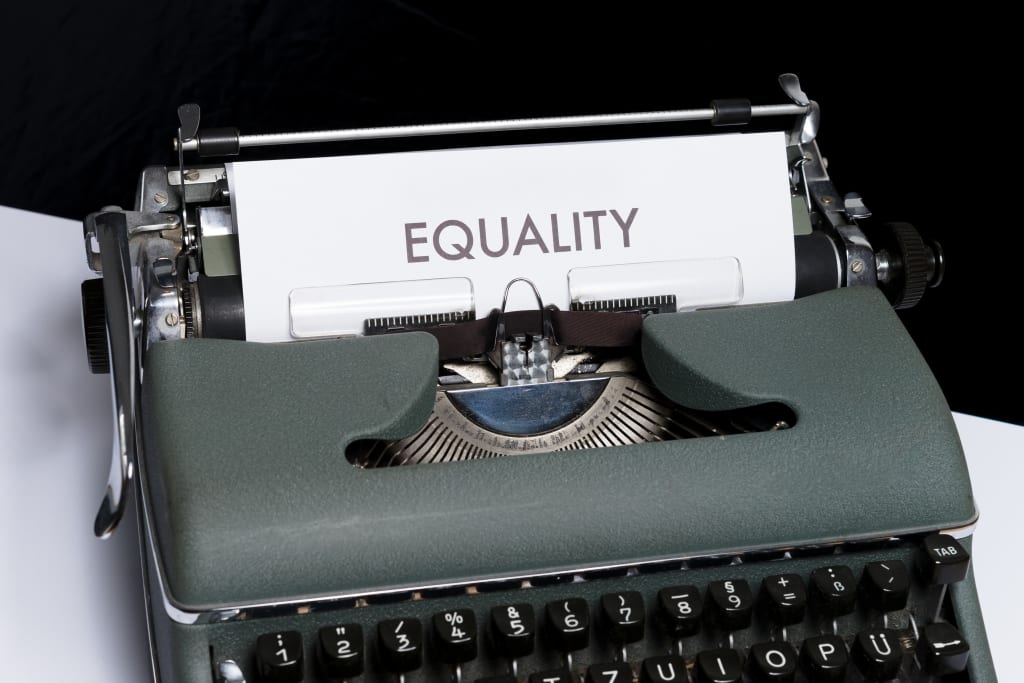
Gender equality, a case that has been going on for years and many communities have been established in this process, is an issue that we should all pay attention to.
----------------------------------------------------------------------------------------
Gender equality is a fundamental human right that is often overlooked and neglected. Despite progress in recent years, gender inequality remains a pervasive issue that affects people all over the world. It is a complex issue that requires a multifaceted approach, involving changes in attitudes, policies, and behaviours. In this article, we will explore what gender equality means, why it matters, and what we can do to achieve it.
What is Gender Equality?
Gender equality refers to the equal rights, opportunities, and treatment of individuals regardless of their gender. It is the recognition that all genders are equal and deserve the same rights and opportunities, without discrimination or prejudice. Gender equality involves promoting gender balance and eliminating gender-based discrimination in all areas of life, including education, employment, politics, and social and cultural life.
Why Does Gender Equality Matter?
Gender equality is not only a matter of social justice, but it also has significant economic and social benefits. Studies have shown that gender equality leads to higher economic growth, increased productivity, and reduced poverty. When women have equal access to education, employment, and political participation, they can contribute to the economic growth and development of their communities and countries. Gender equality also benefits men, by creating a more equal and just society that benefits everyone.
Furthermore, gender equality is essential for promoting human rights and social justice. It is a fundamental right that is enshrined in international human rights law, including the Universal Declaration of Human Rights and the Convention on the Elimination of All Forms of Discrimination against Women (CEDAW). Gender inequality perpetuates harmful stereotypes, discrimination, and violence against women, which violates their human rights and harms their well-being.
What are the Barriers to Gender Equality?
Gender inequality is deeply entrenched in social and cultural norms, traditions, and values, which can be difficult to change. It is also perpetuated by institutionalized discrimination in laws, policies, and practices. Some of the common barriers to gender equality include:
Discrimination and violence against women and girls
Unequal access to education and employment opportunities
The gender pay gap and unequal pay
Lack of women's representation in politics and decision-making positions
Gender-based stereotypes and biases
How Can We Achieve Gender Equality?
Achieving gender equality requires a concerted effort from individuals, communities, governments, and organizations. It involves addressing the root causes of gender inequality and implementing policies and practices that promote gender equality. Some of the strategies for achieving gender equality include:
Promoting Gender Equality in Education
Education is a powerful tool for promoting gender equality. It provides girls and women with the knowledge, skills, and opportunities to participate fully in society and the economy. Educating girls and women have been shown to have positive effects on health, economic development, and social progress. Governments and organizations should invest in ensuring that girls have access to quality education and are encouraged to pursue careers in traditionally male-dominated fields.
Addressing Gender-Based Violence and Discrimination
Gender-based violence and discrimination are major barriers to gender equality. Governments and organizations should implement policies and programs to prevent and respond to gender-based violence and discrimination. This includes strengthening laws to protect women and girls from violence, providing support services for survivors, and addressing harmful gender stereotypes and biases.
Promoting Women's Empowerment and Leadership
Promoting women's empowerment and leadership is essential for achieving gender equality. Women should be encouraged and supported to participate in decision-making processes at all levels, including politics, business, and civil society. Organizations should implement policies and practices that promote women's leadership and ensure that women have equal opportunities for career advancement and leadership roles.
Eliminating the Gender Pay Gap and Ensuring Equal Pay
The gender pay gap and unequal pay are major barriers to gender equality. Governments and organizations should implement policies and practices that ensure equal pay for equal
About the Creator
Keep reading
More stories from Hakan Yiğit Oğuzhan and writers in Humans and other communities.
Whiskey At Dusk
Guess the whiskey was more important to you in the end, wasn’t it? It was more than the well-being of your friends; more vital than showing up to the places you promised you would and could come to; more critical of a matter than fulfilling your damn responsibilities and getting the press off your back.
By Snarky Lisaabout 17 hours ago in Humans


Comments
There are no comments for this story
Be the first to respond and start the conversation.