
War, Famine, and Genocide in Al-Fasher, Darfur: 2023
War, Famine, and Genocide in Al-Fasher, Darfur: 2023

### War, Famine, and Genocide in Al-Fasher, Darfur: 2023
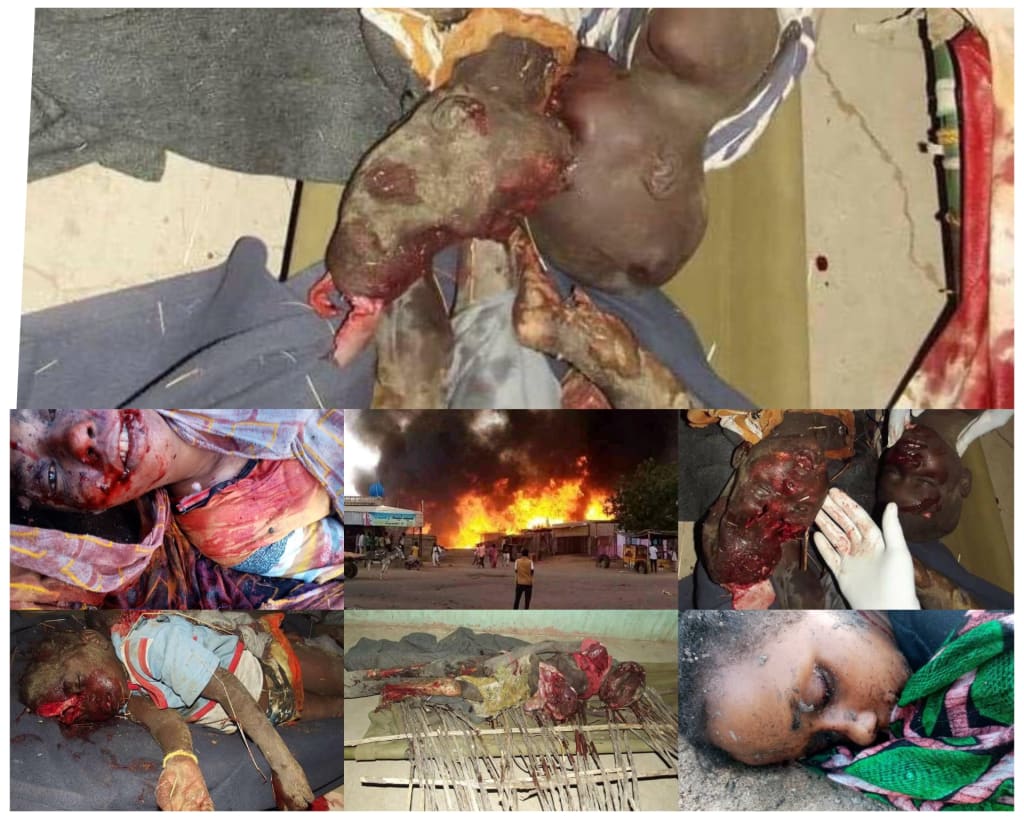
Al-Fasher, the capital of North Darfur in Sudan, witnessed a dramatic escalation in the humanitarian crisis in 2023. The ongoing war, famine, and genocide turned the city into a focal point of immense human suffering, with the situation deteriorating into one of the world’s worst humanitarian crises.
#### Background of the Conflict
The conflict in Darfur began in the early 21st century when fighting erupted between the Sudanese government and armed groups in the region. Initially, the conflict was driven by issues of social justice and economic and political discrimination. Over time, the conflict evolved to include more complex ethnic and racial dimensions. Al-Fasher, being a strategic city and administrative center, became a critical battleground in this struggle.
#### Escalation of the Conflict in 2023
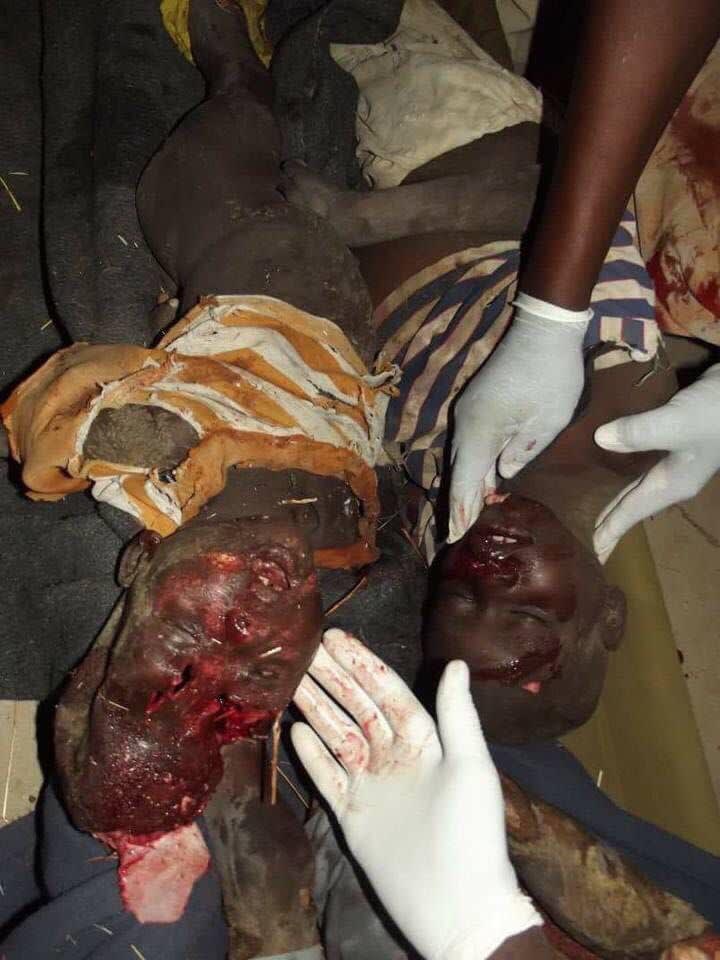
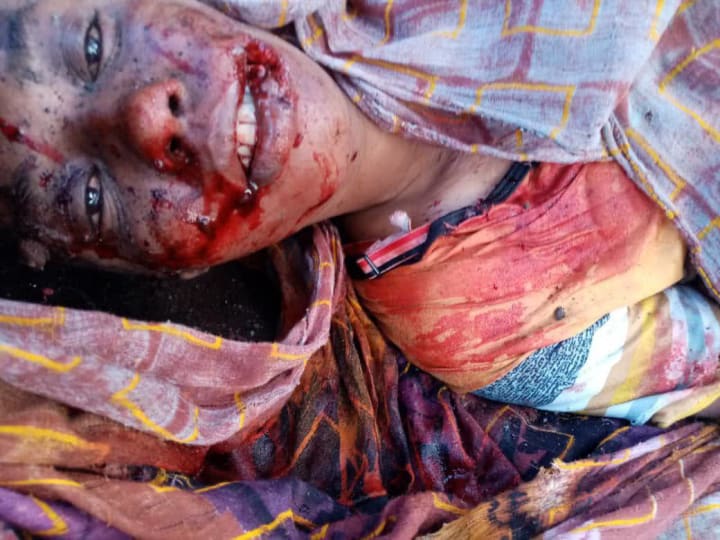
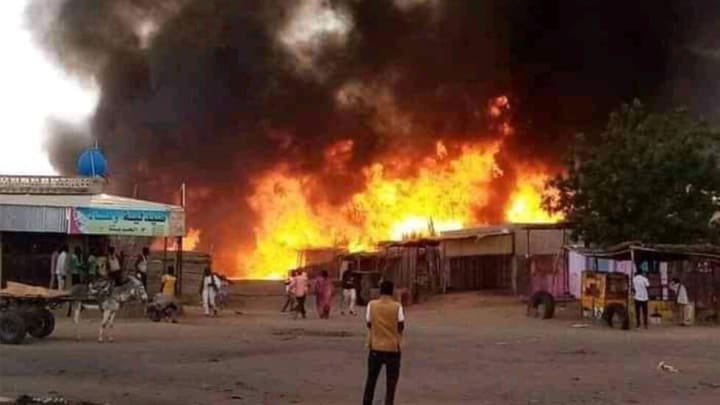
In 2023, Al-Fasher experienced a significant intensification of the conflict between government forces and various armed militias. The city became a site of continuous battles, resulting in extensive destruction. Random attacks on residential areas and civilian sites caused a high number of casualties among civilians. The violent clashes forced many residents to flee their homes, creating an additional humanitarian crisis in the city.
The bombings and shelling not only destroyed buildings but also led to disruptions in essential services such as electricity, water, and healthcare, exacerbating the suffering of residents who were already vulnerable.
#### Famine Crisis in Al-Fasher
As violence escalated, the economic situation deteriorated dramatically. Al-Fasher, which heavily relied on agricultural activities and trade, was severely impacted by crop destruction and a severe shortage of food. Disruptions in supply chains and destruction of markets made it difficult for residents to access food, leading to a severe famine.
Estimates indicate that the rate of malnutrition among children in the city surpassed 60%, a catastrophic level far exceeding the threshold considered by humanitarian organizations. The dire living conditions forced many families to seek food from unconventional sources like wild plants, while some families found no food sources at all.
#### Genocide in Al-Fasher
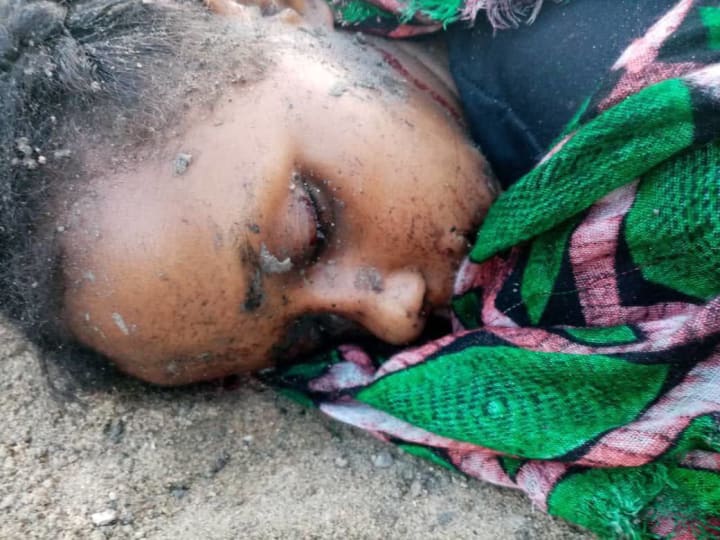
The situation in Al-Fasher also contributed to the spread of genocide, with systematic attacks targeting specific ethnic or racial groups. Reports from human rights organizations and satellite images confirm that many communities experienced waves of targeted attacks. Ethnic cleansing, including mass killings, rape, and forced displacement, became widespread.
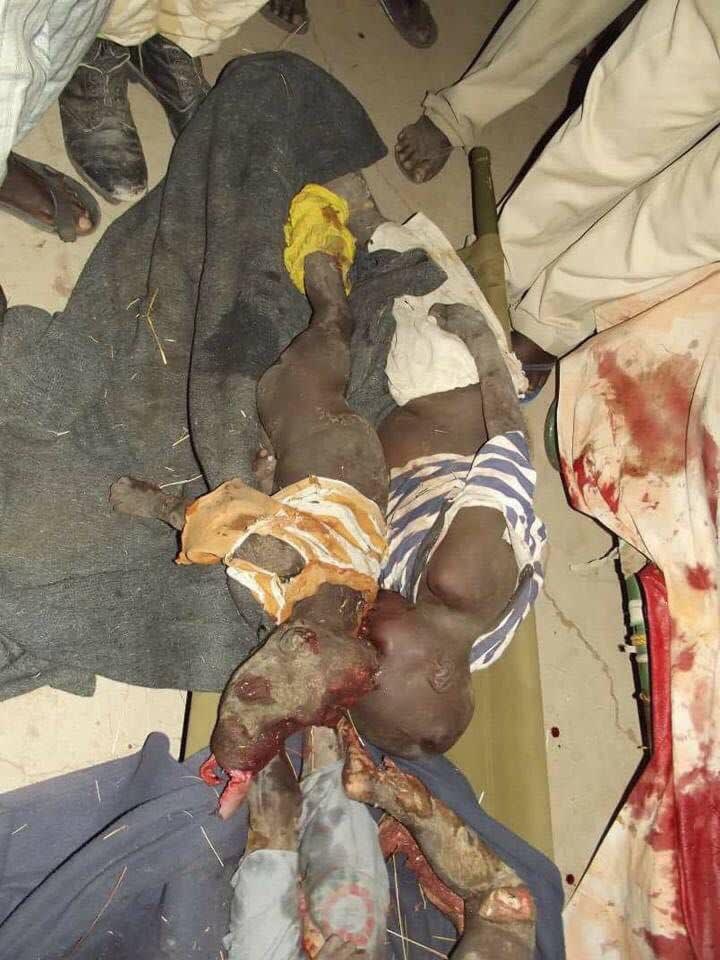
The Sudanese government and some allied militias have been accused of committing these crimes against humanity, adding another layer of complexity to the humanitarian crisis. Despite international condemnation, effective measures to stop these violations have been insufficient, further escalating the crisis in Al-Fasher.
#### Relief Efforts and International Intervention
In this dire situation, numerous humanitarian organizations have made efforts to provide food and medical aid to those affected in Al-Fasher. However, these efforts have been hampered by security risks and logistical challenges. Relief convoys have faced several attacks, complicating the delivery of aid to those in need.
The international community has condemned the situation in Darfur and imposed sanctions on some involved parties, but these measures have not been enough to halt the violations. There is a need to enhance international efforts and provide sufficient support to organizations working on the ground, as well as diplomatic and political pressure to compel warring parties to cease hostilities.
#### Future Impact and Challenges for Solutions
The crisis in Al-Fasher threatens the long-term future of the city, as ongoing conflict, famine, and genocide leave lasting effects on development and stability. Children exposed to violence and hunger lack access to education and healthcare, undermining their future and perpetuating cycles of poverty and conflict.
Solutions require a comprehensive approach that includes diplomatic efforts to end the conflict, urgent humanitarian interventions to address basic needs, and international cooperation to ensure accountability. Building peace necessitates the involvement of all parties in a genuine peace process, strengthening the rule of law, and providing necessary support to displaced and affected communities.
### Conclusion
The situation in Al-Fasher in 2023 represents one of the worst humanitarian crises globally. The severe escalation of conflict, widespread famine, and brutal practices of genocide have made Al-Fasher a center of exacerbated human suffering. Addressing this crisis requires an urgent and comprehensive response from the international community, including humanitarian, diplomatic, and accountability efforts. Without decisive action, the situation in Al-Fasher will continue to pose an ongoing challenge for humanity.
About the Creator
Autonomy Is The Real Privilege
Good morning, freedom-seekers! Today we’re gonna be looking at autonomy. A strange word, I know; one many would probably look at blankly and run away from on sight. We’re gonna figure out what it actually means, consider how it’s achieved, and decipher just how deeply most of us are tangled up in dependence without realising it.
By That ‘Freedom’ Guyabout 9 hours ago in Humans
How to Check Loyalty in Relationship Before You Get Hurt
Loyalty does not imply perfection. It is all about consistency, honesty, and emotional safety. When loyalty is there, trust increases. When it is missing, uncertainty gradually erodes the partnership. Many people disregard early warning signs, believing that things will improve. We feel it is better to observe, ponder, and comprehend loyalty before emotional damage occurs.
By Bloom Boldly7 days ago in Humans




Comments
There are no comments for this story
Be the first to respond and start the conversation.