
Veins
The Essential Pathways of Blood Circulation

Veins: The Essential Pathways of Blood Circulation
Veins are critical components of the circulatory system, responsible for returning blood to the heart after it has completed its journey through the body. These blood vessels work in harmony with arteries to ensure that the body functions efficiently. In this article, we’ll explore the functions of veins, their connection to the heart, and the vast network they create in the body.
What Are Veins and Their Key Functions?
Veins are blood vessels that carry deoxygenated blood back to the heart, with the exception of the pulmonary veins, which carry oxygenated blood from the lungs. Their main functions include:
Blood Return to the Heart: Veins collect deoxygenated blood from the body's tissues and return it to the heart to be re-oxygenated in the lungs.
Blood Volume Regulation: Veins serve as a reservoir for blood. Their ability to expand and contract helps regulate the volume of blood circulating through the body.
Waste Removal: As blood circulates through the body, veins help carry away metabolic waste products like carbon dioxide, which are transported to the lungs and kidneys for removal.
Pressure Regulation: The veins help maintain blood pressure by adjusting their diameter, ensuring steady blood flow back to the heart.
Veins and Their Connection to the Heart
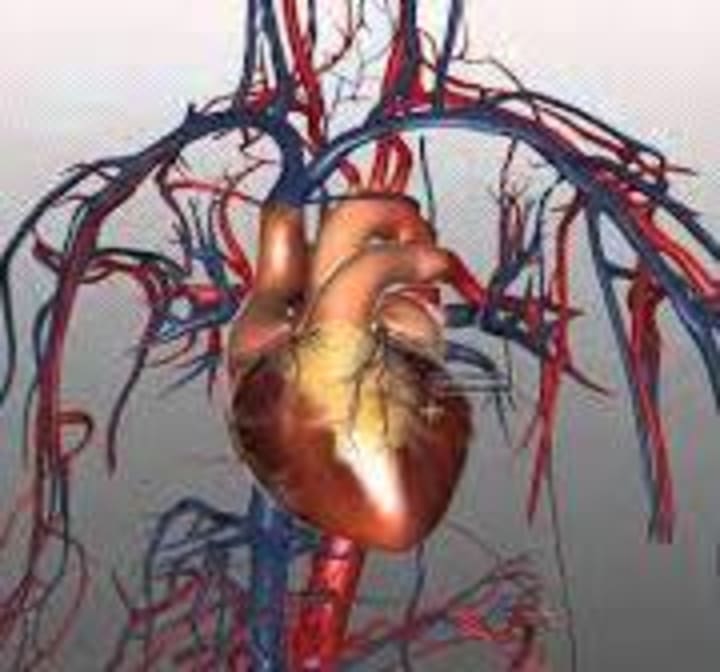
The veins play a vital role in the overall circulation of blood, and their connection to the heart is crucial for maintaining a continuous, efficient blood flow. Here’s how veins connect to the heart:
Superior and Inferior Vena Cava: These two major veins return deoxygenated blood from the body to the heart. The superior vena cava carries blood from the upper body (head, neck, and arms), while the inferior vena cava brings blood from the lower body (legs, abdomen, and pelvis). Both empty into the right atrium of the heart.
Pulmonary Veins: Unlike other veins, the pulmonary veins carry oxygenated blood from the lungs to the left atrium of the heart. This oxygenated blood will then be pumped by the left ventricle to the rest of the body via the aorta.
Venous Valves: Inside veins, especially in the legs, are one-way valves that prevent blood from flowing backward due to gravity. These valves ensure that blood moves toward the heart and not in the opposite direction.
Muscle Pump: In the veins of the lower body, particularly the legs, the contraction of surrounding muscles helps propel blood upwards toward the heart. This mechanism, called the muscle pump, is crucial for fighting the force of gravity and ensuring proper circulation.
The Vast Network of Veins in the Body
The venous system is vast, encompassing a complex network of veins that work in tandem with arteries to keep blood flowing throughout the body. The network can be broken down into major veins and their branches, creating a comprehensive return system for blood.
1. Major Veins of the Body
Superior Vena Cava: Collects blood from the head, neck, and upper limbs.
Inferior Vena Cava: Collects blood from the lower limbs, abdomen, and pelvis.
Pulmonary Veins: Four veins that return oxygenated blood from the lungs to the left atrium.
Jugular Veins: Located in the neck, these veins return blood from the brain and face.
Femoral Veins: Located in the thighs, they are responsible for draining blood from the lower limbs.
Renal Veins: These veins drain blood from the kidneys.
2. The Venous Tree
The veins form a branching system that begins with small venules that collect deoxygenated blood from capillaries and gradually merge into larger veins. This branching system eventually leads to the superior and inferior vena cava, which return blood to the heart.
3. Deep and Superficial Veins
Veins are classified into deep veins (located deeper in the body) and superficial veins (near the skin). The deep veins typically carry the majority of the blood, while superficial veins are more visible and often used for medical procedures like blood draws and IV insertions.
Why Veins Are Crucial for Health
Veins are essential for the proper functioning of the circulatory system, and without them, oxygen and nutrients would not be able to reach the heart for recirculation. Veins also play a key role in maintaining healthy blood pressure and circulation. When veins become compromised, such as in cases of varicose veins or chronic venous insufficiency, it can lead to painful and debilitating conditions.
Common Vein-Related Conditions
Varicose Veins: Enlarged, twisted veins that can lead to discomfort, swelling, and visible veins, often in the legs.
Deep Vein Thrombosis (DVT): A blood clot that forms in deep veins, especially in the legs, which can be life-threatening if it moves to the lungs.
Chronic Venous Insufficiency: A condition where veins are unable to return blood efficiently to the heart, leading to swelling, skin changes, and ulcers.
Keeping Your Veins Healthy
Maintaining healthy veins is essential for overall cardiovascular health. Here are some steps to keep your venous system in top condition:
Exercise Regularly: Physical activity, particularly activities like walking and leg exercises, helps improve circulation and prevents blood from pooling in the veins.
Avoid Prolonged Sitting or Standing: Change positions regularly to promote blood flow, especially for those with jobs that require long periods of sitting or standing.
Maintain a Healthy Weight: Extra weight puts pressure on veins, especially in the legs, so managing your weight can reduce strain on your venous system.
Wear Compression Stockings: These stockings help promote blood flow in the legs, particularly for those prone to varicose veins or DVT.
Elevate Your Legs: Elevating your legs periodically helps reduce swelling and promotes better blood return to the heart.
Conclusion: The Lifeblood of Circulation
Veins are the unsung heroes of the circulatory system, ensuring that blood returns to the heart for re-oxygenation. Their vast network and essential functions make them vital to the body’s overall health. Understanding how veins work, how they connect to the heart, and the importance of maintaining their health can empower you to take proactive steps in improving your cardiovascular well-being.
Keywords: veins, venous system, circulatory system, blood circulation, heart connection, vein health, varicose veins, deep vein thrombosis, chronic venous insufficiency, healthy veins.
About the Creator
Keep reading
More stories from Jacktone Otieno and writers in Humans and other communities.
Arteries
Arteries are the unsung heroes of the circulatory system, working tirelessly to ensure that every cell in the body receives the oxygen and nutrients it needs to thrive. These blood vessels form a vast and intricate network that connects the heart to the rest of the body, playing a critical role in sustaining life. In this article, we’ll explore the fascinating functions of arteries, their direct connection to the heart, and their expansive network within the human body.
By Jacktone Otienoabout a year ago in Humans
Sonia Beeksma: Biography, Age, Husband, Children, Career & More
Sonia Beeksma is a celebrated Canadian television broadcaster, entertainment reporter, and former weather anchor known for her vibrant on-screen personality and sharp storytelling. From her early life in India to becoming one of Canada’s most recognized media figures, Sonia’s journey is nothing short of inspiring.
By Enoch Sagini4 days ago in Humans
The Piggy Project
I’ve had so many names in this life I lose track of which ones were ever really mine and which ones I wore because someone needed me to. Some were handed to me before I had words to refuse them, before I knew what they meant, before I knew I could say no. Most weren’t meant to hurt. That doesn’t mean they didn’t leave marks. Marks that told me who I belong to, who I am by way of who claims me, recognizes me in the good and bad, who walks beside me.
By Fatal Serendipity6 days ago in Confessions




Comments
There are no comments for this story
Be the first to respond and start the conversation.