
Using Touch and Proximity: How Non-Verbal Cues Strengthen Bond
Explore how non-verbal cues enhance intimacy and connection in romantic relationships.

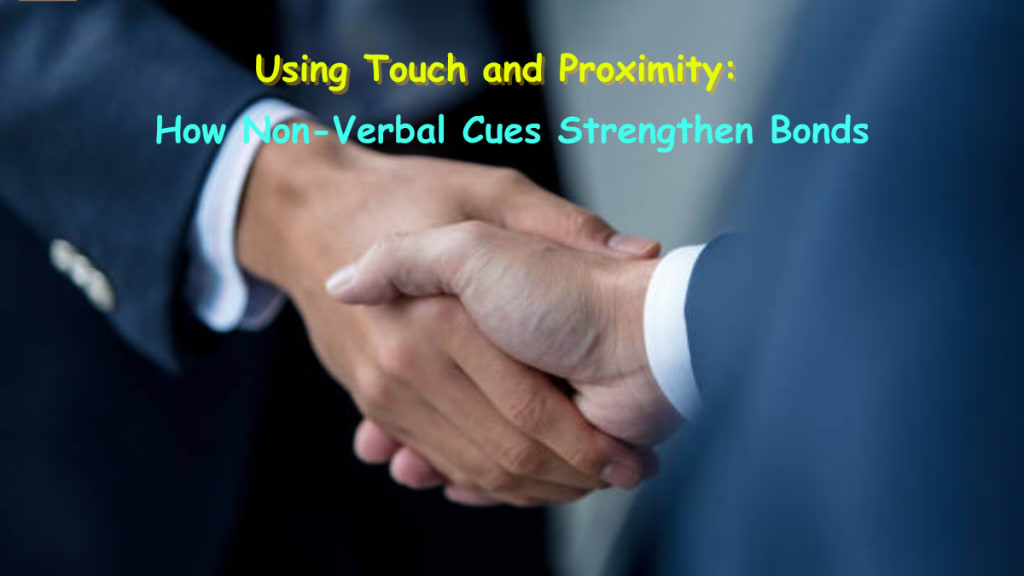
In the realm of human relationships, non-verbal communication plays a vital role in establishing and maintaining connections. Among the various forms of non-verbal cues, touch and proximity stand out as powerful tools for conveying emotions, enhancing intimacy, and fostering trust between partners. This article explores how touch and proximity influence romantic relationships, the psychological underpinnings of these cues, and practical ways to harness them to strengthen your bond.
The Importance of Non-Verbal Communication
1. Understanding Non-Verbal Cues
Non-verbal communication encompasses a range of signals beyond words, including facial expressions, body language, and, crucially, touch and proximity. Research indicates that up to 93% of communication is non-verbal, highlighting its significance in conveying feelings and intentions. In romantic relationships, non-verbal cues can enhance emotional understanding, facilitate conflict resolution, and nurture intimacy.

2. Touch as a Powerful Communicator
Touch is one of the most profound forms of non-verbal communication. It can express a wide array of emotions, from love and affection to comfort and reassurance. Studies have shown that physical touch can lead to the release of oxytocin, often referred to as the "love hormone." This hormone fosters feelings of bonding and trust, making touch an essential component of healthy relationships.
3. Proximity and Its Impact on Connection
Proximity, or the physical distance between partners, also plays a crucial role in relationship dynamics. Being close to someone can signal emotional availability and intimacy while maintaining distance might indicate discomfort or disconnection. Understanding the nuances of proximity can help partners navigate their emotional landscapes more effectively.

The Role of Touch in Romantic Relationships
1. Types of Touch and Their Meanings
Different forms of touch convey distinct messages in a relationship. Here are some common types:
- Affectionate Touch: Hugs, kisses, and gentle caresses express love and warmth. These gestures can strengthen emotional bonds and foster feelings of security.
- Supportive Touch: A reassuring hand on the shoulder or a warm embrace during difficult times can provide comfort and convey empathy.
- Playful Touch: Light teasing or playful nudges can enhance intimacy and create a sense of fun in the relationship.
2. The Psychological Effects of Touch
Touch has profound psychological effects on individuals. It can reduce stress, lower anxiety levels, and enhance overall well-being. In romantic relationships, regular physical touch can lead to increased satisfaction and happiness. Partners who engage in physical affection tend to report feeling more connected and valued.
3. Touch in Conflict Resolution
During conflicts, touch can serve as a tool for de-escalation. A gentle touch or hug can soften the emotional intensity of a disagreement, signaling a willingness to reconnect. This can help partners feel more secure and open to resolving issues together.

Proximity: The Space Between Us
1. Understanding Personal Space
Personal space varies from person to person and can be influenced by cultural norms, individual preferences, and the nature of the relationship. Generally, closer proximity indicates intimacy and comfort, while greater distance can signal discomfort or a desire for independence.
2. The Zones of Proximity
- Intimate Zone: This is the closest space (0 to 18 inches) reserved for loved ones. It’s where touch and deep emotional connections occur.
- Personal Zone: Ranging from 18 inches to 4 feet, this space is often used for conversations with friends and family. It allows for comfort while maintaining a degree of distance.
- Social Zone: Spanning 4 to 12 feet, this space is appropriate for casual interactions, such as acquaintances or colleagues.
- Public Zone: Beyond 12 feet, this space is typically used for public speaking or addressing groups.
3. Proximity and Emotional Connection
Being physically close to your partner can foster emotional closeness. Holding hands, cuddling, or simply sitting close together can enhance feelings of affection and security. Conversely, maintaining too much distance can create feelings of disconnection or insecurity. Understanding your partner's comfort level with proximity is essential for nurturing intimacy.

Practical Ways to Use Touch and Proximity to Strengthen Bonds
1. Make Touch a Daily Habit
Incorporating touch into your daily routine can significantly enhance your relationship. Simple gestures like holding hands while walking, hugging when greeting each other, or cuddling on the couch can foster closeness. These small acts of physical affection can have a profound impact on emotional well-being.
2. Be Mindful of Proximity in Conversations
During conversations, be aware of your physical distance from your partner. Leaning in closer can show engagement and interest, while maintaining appropriate personal space can signal comfort. Adjusting your proximity based on the situation can enhance communication and strengthen your bond.
3. Create a Comfortable Environment
Ensure that your physical environment promotes closeness. Arrange your living space to encourage interaction, such as seating areas that facilitate eye contact and touch. Creating a cozy atmosphere can make it easier to share intimate moments.

4. Use Touch to De-Escalate Tension
During conflicts, consider using touch to help diffuse tension. A gentle touch on the arm or a comforting hug can signal your willingness to reconnect and resolve the issue. This approach can create a safe space for both partners to express their feelings and work towards a solution.
5. Engage in Shared Activities
Participating in activities that encourage touch and proximity can strengthen your bond. Consider activities like dancing, cooking together, or taking long walks. These shared experiences foster connection and create opportunities for physical closeness.

Common Challenges and How to Overcome Them
1. Differing Comfort Levels with Touch
Not everyone is equally comfortable with physical touch. Some individuals may require more personal space, while others thrive on physical affection. It’s essential to communicate openly about your preferences and boundaries. Discuss what forms of touch feel comfortable and meaningful to both partners.
2. Misinterpretation of Proximity
Sometimes, partners may misinterpret each other’s proximity cues. For example, one partner may feel neglected if the other maintains too much distance, while the distant partner may need space for personal reasons. Regular check-ins about comfort levels can help clarify misunderstandings and foster emotional safety.
3. Cultural Differences
Cultural backgrounds can influence comfort levels with touch and proximity. For instance, some cultures may prioritize personal space more than others. Being aware of these differences and discussing them openly can help partners navigate their relationship dynamics effectively.
Conclusion
Touch and proximity are powerful non-verbal cues that can significantly strengthen bonds in romantic relationships. By understanding the importance of these cues, partners can enhance their emotional connection, improve communication, and foster intimacy. Incorporating touch into daily interactions and being mindful of proximity can lead to a more fulfilling and harmonious relationship.
Key Takeaways
Embrace Daily Touch: Simple gestures of affection can enhance emotional bonds.
Mind Your Proximity: Adjust your physical distance based on comfort levels and context.
Create a Supportive Environment: Foster spaces that promote closeness and interaction.
Communicate Openly: Discuss preferences for touch and proximity to avoid misunderstandings.
By actively using touch and proximity in your relationship, you can cultivate a deeper connection and a more satisfying partnership.
References:
1- https://tinyurl.com/3c4dn354
2- https://tinyurl.com/5dyze9sp
Special Thanks Note
I would like to extend my heartfelt thanks to Unsplash for providing such an incredible collection of high-quality images that enhanced this article. Your platform has made it easy for creators like me to find stunning visuals that perfectly complement our work. The generosity of talented photographers sharing their art helps inspire and elevate content, making it more engaging for readers. Thank you, Unsplash, for your invaluable contribution to the creative community!
About the Creator
Abdul Jamil Nasir
Hello! I’m Abdul Jamil Nasir, a passionate writer exploring life, love, and culture. I focus on relationships, personal growth, and human emotions, believing in the power of words to inspire and connect with readers.
Keep reading
More stories from Abdul Jamil Nasir and writers in Humans and other communities.
A Historic Declaration
We the People of the Husbands of the United States of America, in Order to form a more perfect Union, and I mean you...with me...establish Justice, insure domestic Tranquility, provide for the common defence, promote the general Welfare, and secure the Blessings of Liberty to ourselves, after Puberty, do ordain and establish this Declaration of Co-Dependence.
By Gerard DiLeo10 days ago in Humans
Gina Hinojosa: The Voice Austin Politics Needed
Politics often feels distant. Loud. Cold. Most people only see headlines, party fights, and campaign ads. But sometimes, a local leader steps forward and reminds us that politics is still about people. About schools. About neighborhoods. About the feeling of being heard.
By Muqadas khan3 days ago in Humans




Comments
There are no comments for this story
Be the first to respond and start the conversation.