
Understanding Body Language: What Your Partner’s Gestures Mean
"Decode Your Partner's Body Language for a Stronger Connection"

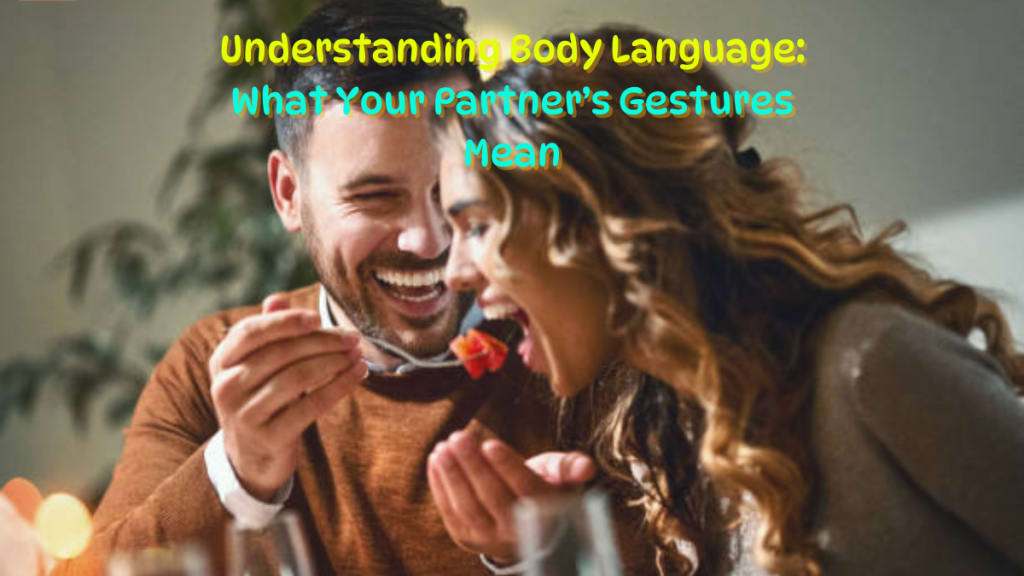
Explore the significance of body language in relationships and learn how to interpret nonverbal cues to enhance emotional intimacy and connection.
Body language is a powerful form of nonverbal communication that can reveal a lot about what someone is feeling or thinking. In romantic relationships, understanding your partner’s gestures can enhance communication, deepen emotional intimacy, and improve overall connection. This article will explore the significance of body language in relationships, helping you decode your partner’s subtle cues and enhancing your understanding of each other.
Why Body Language Matters in Relationships
1. Nonverbal Communication is Key
Research shows that a significant portion of communication is nonverbal. It is estimated that up to 93% of communication effectiveness is determined by nonverbal cues, including body language, tone of voice, and facial expressions. Understanding these cues can help you interpret your partner’s feelings more accurately.
2. Enhances Emotional Connection
Body language can deepen emotional intimacy. When partners are attuned to each other’s gestures, they can respond more empathetically and build a stronger bond. This mutual understanding fosters a supportive environment where both individuals feel valued and understood.
3. Reveals True Feelings
Sometimes, words can be misleading. A partner might say they’re fine while their body language tells a different story. By paying attention to nonverbal cues, you can gain insight into your partner’s true feelings, allowing for more meaningful conversations.

Common Body Language Mistakes in Relationships
One common mistake is misinterpreting or ignoring nonverbal cues. For example, if a partner crosses their arms during a conversation, it might be perceived as defensiveness or disinterest. However, they could simply be feeling cold or uncomfortable. Failing to ask for clarification can lead to misunderstandings and unnecessary conflict. Another mistake is using closed body language, such as avoiding eye contact or turning away, which can signal disconnection or lack of interest, even if that’s not the intention.
Additionally, many people overlook the importance of mirroring body language. When one partner expresses openness through gestures, the other should ideally respond in kind. A lack of mirroring can create a disconnect, making the conversation feel less cohesive. Being aware of these common mistakes can help individuals communicate more effectively and deepen their emotional connections.

Common Body Language Cues and Their Meanings
1. Eye Contact
What It Means:
Eye contact can indicate a range of emotions. Sustained eye contact often signifies interest, affection, and engagement, while avoiding eye contact may suggest discomfort, insecurity, or disinterest.
Tips:
Positive Eye Contact: If your partner maintains eye contact while speaking, it shows they are engaged and connected.
Avoiding Eye Contact: If they frequently look away or down, they may be feeling shy, anxious, or hiding something.
2. Facial Expressions
What It Means:
Facial expressions are crucial for understanding body language. A smile can indicate happiness and warmth, while a frown may signal discontent or concern.
Tips:
Smiling: If your partner smiles genuinely (known as a Duchenne smile), it indicates true happiness and affection.
Frowning or Furrowing Brows: This may suggest confusion, frustration, or disagreement.

3. Gestures
What It Means:
Gestures can express a wide range of emotions and attitudes. Open gestures, such as arms uncrossed, indicate openness and willingness to engage. Conversely, closed gestures, like crossed arms, may signal defensiveness or discomfort.
Tips:
Open Gestures: If your partner uses open gestures, they are likely to feel comfortable and inviting conversation.
Closed Gestures: Crossed arms or hands in pockets may indicate that they are feeling defensive or closed off.
4. Posture
What It Means:
Posture can reveal confidence, comfort, or insecurity. An upright, open posture suggests confidence and engagement, while slouching or turned-away body language may indicate disinterest or discomfort.
Tips:
Upright Posture: If your partner sits or stands tall, they are likely feeling confident and engaged in the conversation.
Slouched Posture: If they appear to be hunched over or turned away, they may be feeling disinterested or defensive.
5. Touch
What It Means:
Touch is a powerful form of communication in relationships. It can convey affection, comfort, and intimacy. The context of the touch is crucial; a gentle touch can indicate love, while a rough touch may signal frustration.
Tips:
Affectionate Touch: Holding hands, hugs, or gentle touches on the arm can indicate affection and bonding.
Avoiding Touch: If your partner pulls away or avoids physical contact, they may be feeling uncomfortable or disconnected.
6. Proximity
What It Means:
The physical distance between partners can convey feelings of intimacy or discomfort. Being close together often indicates affection, while increased distance may suggest discomfort or a desire for space.
Tips:
Close Proximity: If your partner leans in or sits close, it indicates comfort and a desire for intimacy.
Increased Distance: If they move away or maintain physical distance, they may need space or feel unsure.

How to Improve Communication Through Body Language
1. Be Attentive to Nonverbal Cues
Why It Matters:
Being aware of your partner’s body language can help you better understand their feelings and needs. Pay attention to their nonverbal signals during conversations to enhance your communication.
Tips:
Observe Patterns: Take note of your partner’s typical body language cues in various situations to understand their emotional state better.
Ask Questions: If you notice conflicting verbal and nonverbal cues, gently ask your partner how they’re feeling.
2. Practice Open Body Language
Why It Matters:
Using open body language can foster trust and intimacy in your relationship. By presenting yourself as approachable and engaged, you encourage your partner to do the same.
Tips:
Uncross Your Arms: Maintain an open posture during conversations to signal engagement and receptiveness.
Use Gestures: Incorporate hand gestures while speaking to emphasize your points and convey enthusiasm.
3. Match Your Partner’s Energy
Why It Matters:
Mirroring your partner’s body language can create a sense of connection and rapport. This technique can help both partners feel more comfortable and understood.
Tips:
Subtle Mirroring: If your partner leans in, you might do the same. Just ensure it feels natural and not forced.
Adjust Your Tone: Match not just body language but also the tone and pace of your speech to create harmony.
4. Check In Regularly
Why It Matters:
Regular check-ins can help reinforce communication and ensure that both partners feel heard and understood. This practice can also provide opportunities to address any misunderstandings.
Tips:
Create a Routine: Set aside time each week to discuss feelings, concerns, and joys in your relationship.
Encourage Honesty: Foster an environment where both partners feel safe to express their feelings openly.
5. Be Mindful of Context
Why It Matters:
The context of a situation can greatly influence body language. Be aware of external factors that may affect how your partner expresses themselves.
Tips:
Consider the Environment: Factors such as stress, fatigue, or distractions can impact how your partner communicates non-verbally.
Adjust Your Expectations: Recognize that certain situations may lead to different body language cues than usual.

Common Misinterpretations of Body Language
1. Assuming Negativity
Why It’s a Pitfall:
Not all closed body language is negative. For example, someone may cross their arms because they are cold, not because they are upset.
Tips:
Ask for Clarification: If you notice closed body language, gently inquire if something is bothering them before jumping to conclusions.
2. Overemphasizing Eye Contact
Why It’s a Pitfall:
While eye contact is important, some people are naturally less comfortable with it due to cultural differences or personal preferences.
Tips:
Be Understanding: If your partner avoids eye contact, consider other cues they may be expressing instead of assuming disinterest.
3. Ignoring Context
Why It’s a Pitfall:
Body language can change based on the context of a situation. Stressful events, like work pressure, can influence how someone expresses themselves.
Tips:
Look at the Bigger Picture: Consider external factors that may be influencing your partner’s body language before jumping to conclusions.

Conclusion
Understanding body language is an invaluable skill in building and maintaining a healthy relationship. By paying attention to your partner’s gestures, expressions, and postures, you can gain deeper insights into their emotions and needs. This awareness enhances communication, fosters emotional intimacy, and strengthens your connection.
Key Takeaways
Observe Eye Contact: It can indicate interest or discomfort.
Note Facial Expressions: Smiles and frowns reveal emotional states.
Pay Attention to Gestures and Postures: They reflect openness or defensiveness.
Value Touch and Proximity: Physical closeness signals intimacy or a need for space.
By enhancing your understanding of body language, you can create a more supportive and loving environment for both you and your partner, leading to a richer and more fulfilling relationship.
References:
1- https://tinyurl.com/36nkdjdj
2- https://tinyurl.com/yppe7ur2
Special Thanks Note
I would like to extend my heartfelt thanks to Unsplash for providing such an incredible collection of high-quality images that enhanced this article. Your platform has made it easy for creators like me to find stunning visuals that perfectly complement our work. The generosity of talented photographers sharing their art helps inspire and elevate content, making it more engaging for readers. Thank you, Unsplash, for your invaluable contribution to the creative community!
About the Creator
Abdul Jamil Nasir
Hello! I’m Abdul Jamil Nasir, a passionate writer exploring life, love, and culture. I focus on relationships, personal growth, and human emotions, believing in the power of words to inspire and connect with readers.
Keep reading
More stories from Abdul Jamil Nasir and writers in Humans and other communities.
How to Turn Conflicts into Opportunities for Growth in Your Relationship
Conflicts are an inevitable part of any relationship. While they can be challenging and stressful, they also present unique opportunities for growth and deeper understanding. By learning to navigate conflicts effectively, couples can transform disagreements into pathways for personal and relational development. In this article, we will explore how to turn conflicts into opportunities for growth, highlighting strategies and insights that can strengthen your relationship.
By Abdul Jamil Nasirabout a year ago in Humans
When Institutions Reward the Disordered
The claim that modern society has “gone insane” circulates constantly in political commentary. The phrase is crude. The frustration behind it is real. When citizens watch institutions make decisions that appear detached from ordinary human consequences, people begin searching for explanations. Some assume incompetence. Others assume corruption. A smaller but growing group points to a psychological explanation known as political ponerology.
By Dr. Mozelle Martinabout 15 hours ago in Humans
Top tipple tricks
Been thinking a lot about drinking, lately. Not least because of a recent episode of over-indulgence and the inevitable after effects. Some readers may recall the earlier articles I wrote about beating the booze. Here I set out an experiment in techniques for cutting down on my alcohol intake. The experiment was successful, the techniques worked, and I have armed myself with an arsenal of weapons in the war against the demon drink. I have yet to fire the first round however. It's all a question of timing (perhaps procrastination).
By Raymond G. Taylorabout 21 hours ago in Psyche




Comments
There are no comments for this story
Be the first to respond and start the conversation.