
Unraveling the Afghan Quagmire: Understanding How Afghanistan Defied America
Resilience, Asymmetrical Warfare

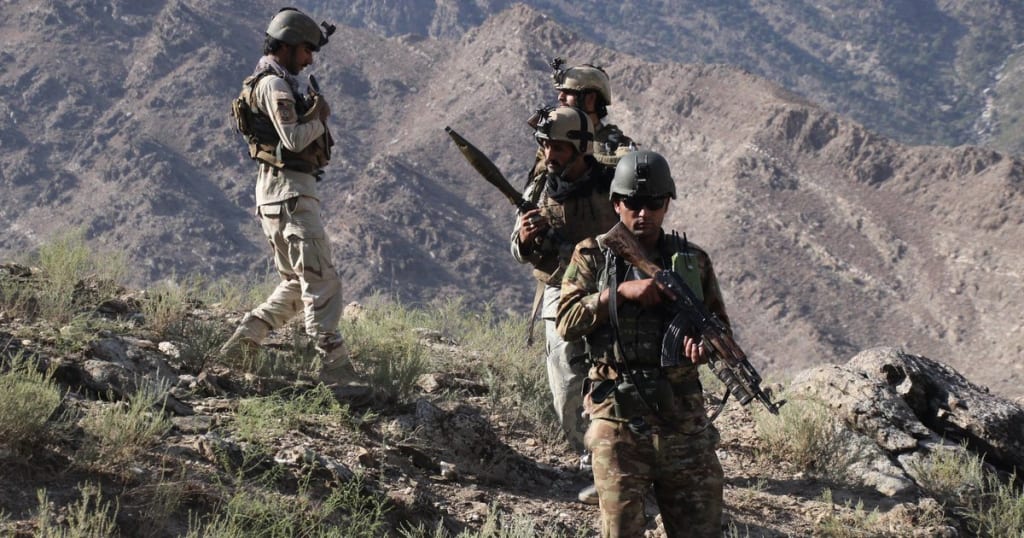
The conflict in Afghanistan stands as a perplexing chapter in modern history, as a war-torn nation with limited resources managed to resist and persist against the world's most powerful military force, the United States of America. This article aims to delve into the intricate dynamics that contributed to Afghanistan's ability to defy America's ambitions. Focusing on the themes of resilience and asymmetrical warfare, we will explore the factors that allowed Afghanistan to hold its ground and challenge the mighty superpower over an extended period.
Resilience: A History of Endurance:
Afghanistan's ability to defy America stems from a long history of resilience and an indomitable spirit. Throughout the centuries, the Afghan people have faced numerous invasions, yet they have always fiercely defended their land and independence. Drawing strength from a deep-rooted cultural heritage and a sense of national pride, the Afghan populace exhibited an unwavering determination to resist foreign occupation. This resilience, passed down through generations, played a pivotal role in Afghanistan's ability to withstand the American presence and retain its identity in the face of adversity.
Asymmetrical Warfare: The Power of the Underdog:
Afghanistan's defiance was largely fueled by its adoption of asymmetrical warfare strategies, which proved to be a formidable challenge for the conventional military might of the United States. Recognizing that a direct confrontation would be futile, Afghan fighters embraced unconventional tactics, including hit-and-run attacks, ambushes, and the use of improvised explosive devices (IEDs). Operating in small, highly mobile units and leveraging their knowledge of the challenging terrain, they effectively neutralized America's overwhelming technological advantage. These guerrilla tactics minimized their own casualties while inflicting significant damage on the American forces, demoralizing their ranks and eroding their support.
Geopolitical Complexities: A Shifting Landscape:
The Afghan conflict unfolded within a complex web of regional dynamics and geopolitical complexities. Neighboring countries, particularly Pakistan, played influential roles in the Afghan theater, with accusations of providing support and safe havens for the Taliban. This external interference exacerbated the challenges faced by the United States in achieving its objectives. Additionally, Afghanistan's rugged terrain and porous borders created a difficult operating environment, enabling the Taliban and other insurgent groups to find sanctuary, regroup, and launch attacks with relative ease.
Furthermore, the task of nation-building proved to be an immense challenge for the American forces. The multifaceted Afghan society, deeply divided along ethnic, tribal, and sectarian lines, presented formidable obstacles to establishing a stable and cohesive government. Weak governance, rampant corruption, and socio-political fragmentation hindered progress and allowed insurgent groups to exploit the power vacuum.
Nation-Building Challenges:
The United States aimed not only to defeat the Taliban but also to establish a stable and democratic government in Afghanistan. However, the deeply divided Afghan society, marked by ethnic, tribal, and sectarian differences, presented significant challenges to nation-building efforts. Weak governance, widespread corruption, and a lack of social cohesion undermined the establishment of a legitimate and effective government. These factors created an environment conducive to the resurgence of insurgent groups.
Conclusion:
The Afghan conflict stands as a stark reminder that military might alone cannot guarantee victory. Afghanistan's remarkable ability to defy America was rooted in its resilience, adoption of asymmetrical warfare, and the intricate geopolitical complexities at play. The Afghan people's unwavering determination to protect their land and the utilization of guerrilla tactics provided them with a strategic advantage. Meanwhile, external interference and nation-building challenges further complicated America's mission.
As the Afghan quagmire draws to a close, it serves as a sobering lesson for military strategists and policymakers. Understanding the dynamics of asymmetric conflicts, acknowledging the power of resilience, and considering the complex regional dynamics are vital for formulating effective strategies. Ultimately, the Afghan people's ability to resist and persist against a superpower highlights the indomitable human spirit and the potential for the underdog to defy the odds and prevail in the face of immense challenges.
About the Creator
Keep reading
More stories from writers in Humans and other communities.
Time to change your life.
Is it even possible for you to change your life? A lot of people, more than there should be, are unhappy with their lives. But what are they doing about it? Usually nothing. People talk about how shitty their lives are and want change, but are they not taking the actions to change?
By Jen Phillips4 days ago in Humans
The Devil's Triangle
The sails ruffled in the breeze as we cruised along. The Sea Breeze was a mid-size catamaran that sailed out of Royal Naval Dockyard in Bermuda. We had booked this trip weeks in advance and were now looking at our Captain, Spike and two boat hands. Paddy and Wilson seemed like nice guys, joking around with the passengers and telling us some stories about Bermuda that only locals would know. Their island accents sounded almost British but they were pleasant to listen to.
By Barbara Gode Wilesa day ago in Fiction




Comments
There are no comments for this story
Be the first to respond and start the conversation.