

Introduction:
In the quest for overall well-being, there is no denying the fundamental role that nutrition plays in our lives. The food we consume not only fuels our bodies but also has a profound impact on our health. A balanced and nourishing diet is essential for the proper functioning of our systems, prevention of diseases, and the maintenance of a healthy weight. In this article, we will explore the vital connection between nutrition and health, emphasizing the significance of making informed dietary choices for a vibrant and fulfilling life.
The Building Blocks of Nutrition:
At its core, nutrition refers to the intake and utilization of nutrients for the sustenance and growth of our bodies. These essential nutrients include proteins, carbohydrates, fats, vitamins, minerals, and water. Each of these components serves a unique purpose, ranging from providing energy and supporting growth to bolstering the immune system and facilitating various bodily functions.
The Power of a Balanced Diet:
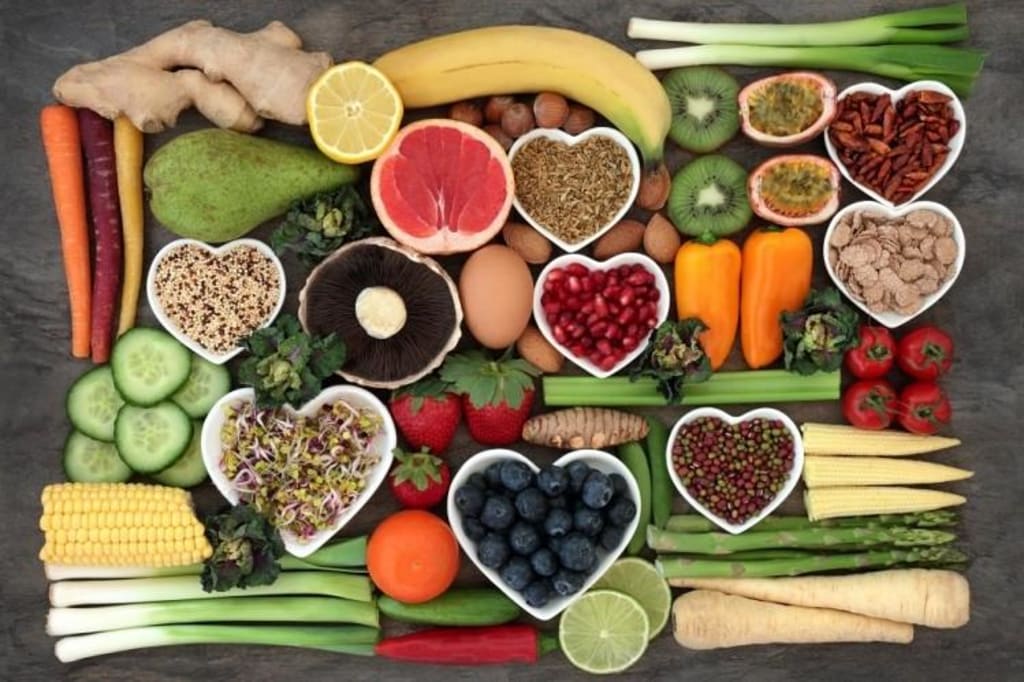
A balanced diet encompasses a diverse range of food groups in appropriate proportions, ensuring that our bodies receive the necessary nutrients for optimal health. It involves consuming whole grains, lean proteins, healthy fats, fruits, vegetables, and dairy products or suitable alternatives. Such a diet offers numerous benefits, including:
1. Enhanced Energy Levels: A well-balanced diet supplies the body with the fuel it needs to function efficiently, combating fatigue and promoting vitality.
2. Disease Prevention: Adequate nutrition is crucial for bolstering the immune system and reducing the risk of chronic diseases such as heart disease, diabetes, and certain types of cancer.
3. Weight Management: A balanced diet, combined with regular physical activity, helps maintain a healthy weight, reducing the likelihood of obesity-related health complications.
4. Mental Well-being: Emerging research suggests a strong correlation between nutrition and mental health. A diet rich in nutrients, such as omega-3 fatty acids, B vitamins, and antioxidants, may contribute to improved cognitive function and emotional well-being.
5. Stronger Bones and Teeth: Adequate intake of calcium and vitamin D, found in dairy products and leafy greens, supports bone density and reduces the risk of conditions like osteoporosis.
Making Informed Choices:
To achieve optimal nutrition and reap the associated health benefits, it is crucial to make informed food choices. Here are some key considerations:
1. Portion Control: Moderation is key when it comes to consuming different food groups. Pay attention to portion sizes to maintain a healthy caloric intake and prevent overeating.
2. Variety: Embrace a diverse range of fruits, vegetables, whole grains, lean proteins, and healthy fats to ensure a wide spectrum of essential nutrients.
3. Hydration: Stay adequately hydrated by drinking sufficient water throughout the day. Limit the consumption of sugary beverages, which can contribute to weight gain and dental problems.
4. Minimize Processed Foods: Processed foods, high in added sugars, unhealthy fats, and sodium, should be limited in favor of fresh, whole foods.
5. Seek Professional Guidance: If you have specific dietary needs or health concerns, consider consulting a registered dietitian or nutritionist who can provide personalized guidance and recommendations.
Conclusion:
Nutrition is a powerful tool that can significantly impact our health and well-being. By adopting a balanced and mindful approach to eating, we empower ourselves to optimize our physical and mental health. Through informed food choices, portion control, and a focus on wholesome, nutrient-dense foods, we can unlock the potential of nutrition and embark on a lifelong journey towards vitality, longevity, and a happier, healthier life.
for more open the link of this vedio: https://youtu.be/815Ag8BrdEg
About the Creator
Keep reading
More stories from writers in Humans and other communities.
Minnesota and Illinois Invoke the 10th Amendment in Lawsuits to Block Federal Agents in Their Cities — Here’s Why That Matters
States Push Back Against Federal Enforcement Minnesota and Illinois have launched high-profile lawsuits invoking the 10th Amendment of the US Constitution in an effort to block or limit the actions of federal agents—particularly immigration enforcement officers—operating within their cities. The legal challenges mark a significant escalation in the long-running conflict between state governments and Washington over who has the authority to enforce immigration laws and how far federal power can reach.
By Aarif Lashari4 days ago in Humans
How to Succeed at the Benson Directory®
Congratulations and welcome to the Benson Directory® employee #22391! As our newest call handler, you will have the privilege of speaking with dozens of unique and interesting people on a daily basis as well as the opportunity to earn bonuses for high performance. Contained within this handbook you will find a set of ease to follow instructions designed to help you settle in to your new role and begin paving the way to success.
By S. A. Crawford2 days ago in Fiction




Comments
There are no comments for this story
Be the first to respond and start the conversation.