
Unlock the Secrets to Keto Diet Success for Diabetics!
Empowering You to Control Blood Sugar.
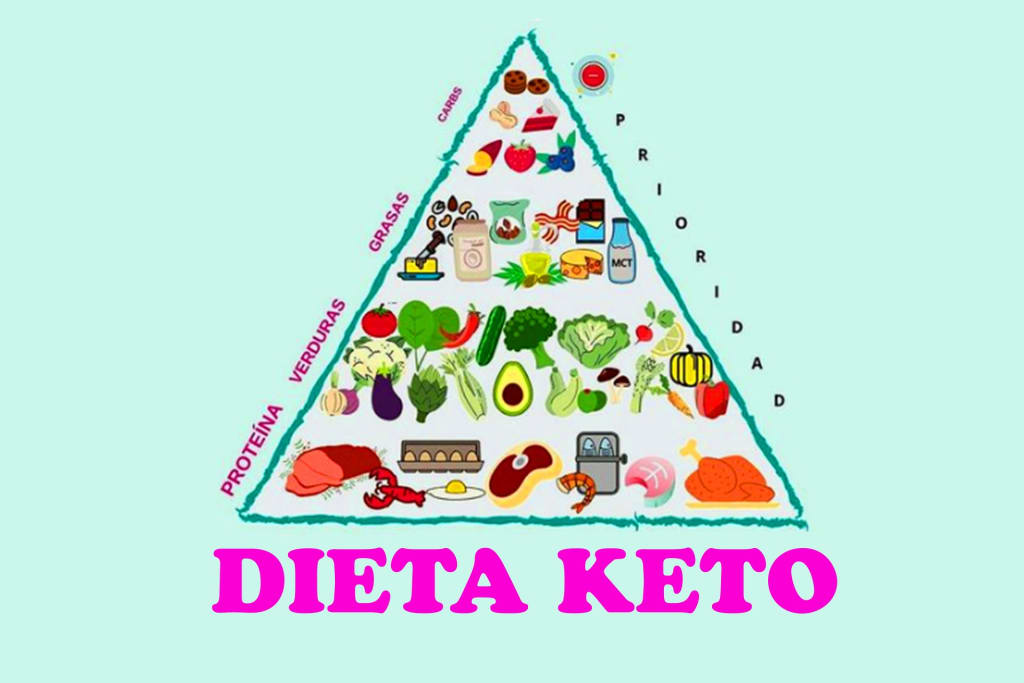
If you’re a diabetic looking to improve your blood sugar control, the ketogenic diet may be the answer you’re looking for. In this blog, we’ll look at what the keto diet is, its benefits for diabetics, and how to get started and stick to it.
What is the Keto Diet?
The keto diet, also known as the ketogenic diet, is a low-carb, high-fat diet that has been gaining in popularity among people looking to lose weight or improve their overall health. The idea behind the keto diet is to put the body into a state of ketosis, where it is forced to burn fat, rather than carbohydrates, for energy.
When you eliminate carbs from your diet, your body begins to use fat as its primary source of energy. This causes ketones to be released into the bloodstream, which is what produces the desired state of ketosis. To stay in ketosis, you need to keep your carb consumption very low.
Benefits of the Keto Diet for Diabetics
The keto diet has numerous potential benefits for diabetics. Studies have found that the keto diet can help people with type 2 diabetes reduce their blood sugar levels and improve their insulin sensitivity. This can lead to improved blood sugar control and better overall health. Additionally, the keto diet can help reduce body fat, which can also help improve blood sugar control.
The keto diet has also been found to reduce inflammation and improve cholesterol levels. This can all lead to improved heart health and a reduced risk of developing heart disease.
Discover how to transform health with keto-friendly meals!
Keto Diet and Diabetes: How does it work?
When you follow a keto diet, your body switches from burning carbohydrates to burning fat as its primary source of energy. This process is known as ketosis.
Ketosis can help reduce blood sugar levels by reducing the amount of glucose that is available for the body to use. Additionally, ketosis can help improve insulin sensitivity. This means that the body is better able to use the insulin it produces, which helps to reduce blood sugar levels.
Ketosis also helps to reduce inflammation and improve cholesterol levels, both of which can help reduce the risk of developing heart disease.
Keto Diet Guidelines for Diabetics
If you’re a diabetic looking to try the keto diet, there are some important guidelines to follow. First, you should talk to your doctor or a dietitian before starting the diet to make sure it’s right for you.
When following the keto diet, you should aim to keep your carb intake between 20-50 grams per day. This means eliminating most processed and sugary foods from your diet, as well as starchy vegetables like potatoes, corn, and peas. You should also focus on eating healthy fats like avocados, nuts, and olive oil.
It’s also important to make sure you’re getting enough protein. Aim for around 25-30% of your daily calories to come from protein sources like eggs, fish, chicken, and nuts.
Finally, it’s important to remember that the keto diet should be done in moderation. Don’t be afraid to take a break from the diet if you’re feeling overly restricted or if it’s starting to feel like a chore.
Discover how to transform health with keto-friendly meals!
Meal Planning for the Keto Diet
Meal planning is an important part of following the keto diet. It’s best to plan out your meals a few days in advance to make sure you’re sticking to your goals.
When planning your meals, focus on including a variety of healthy fats, proteins, and low-carb vegetables. Try to include a few different colors on your plate to make sure you’re getting all the nutrients you need.
It’s also important to remember to drink plenty of water and to keep your sodium intake in check. This will help you stay hydrated and will help prevent any unpleasant side effects of the keto diet.
Foods to Avoid on the Keto Diet
When following the keto diet, it’s important to avoid certain foods that are high in carbs. These include grains, starchy vegetables, and sugary foods.
It’s also important to limit your intake of fruits and dairy, as they can be high in carbs. If you do choose to eat fruits and dairy, be sure to select low-sugar options.
Finally, it’s important to avoid processed foods that are high in unhealthy fats, sodium, and added sugars.
Discover how to transform health with keto-friendly meals!
Tips for Sticking to the Keto Diet
Sticking to the keto diet can be challenging, but there are a few tips that can help make it easier.
First, it’s important to plan ahead. Meal prepping can be a great way to make sure you have healthy meals and snacks ready for when hunger strikes.
It’s also important to get support from family and friends. Having someone to cheer you on and help keep you accountable can make all the difference.
Finally, make sure to give yourself a break. Don’t be too hard on yourself if you slip up. Instead, focus on getting back on track as soon as possible.
Discover how to transform health with keto-friendly meals!
Common Keto Diet Mistakes to Avoid
When following the keto diet, it’s important to avoid certain mistakes that could sabotage your success.
First, make sure you’re getting enough fiber. Fiber helps keep you regular and can also help reduce hunger.
Second, don’t be afraid to eat enough food. Eating too little can lead to fatigue and other unpleasant side effects.
Third, make sure you’re getting the right balance of macronutrients. This means getting enough protein, healthy fats, and low-carb vegetables.
Finally, make sure you’re not overdoing it on the fats. Eating too much fat can lead to weight gain and other health problems.
Keto Diet Supplements
If you’re following the keto diet, you may want to consider taking certain supplements to help you achieve your goals.
For example, exogenous ketones can be a great way to help your body enter and stay in ketosis. Additionally, MCT oil can help provide a boost of energy and can also help you feel fuller for longer.
You may also want to consider taking a multivitamin to make sure you’re getting all the nutrients you need.
Keto Diet Resources
If you’re looking for more information on the keto diet, there are a few great resources available.
Websites like Ruled.me and Diet Doctor provide information about the keto diet, recipes, and meal plans. Additionally, there are a number of books and cookbooks available that can provide you with more information and recipes. Discover how to transform health with keto-friendly meals!
Finally, there are a number of online support groups that can help keep you motivated and provide you with tips and encouragement.
Conclusion
The keto diet can be a great way to help manage type 2 diabetes and improve overall health. By following the guidelines outlined in this blog, you can reap the many benefits of the keto diet while avoiding common mistakes.
If you’re looking to make the keto diet a part of your life, be sure to talk to your doctor or a dietitian first to make sure it’s right for you. Additionally, consider taking supplements and using resources like websites, cookbooks, and online support groups to help you stay on track.
With the right guidance and support, you can unlock the secrets to keto diet success and start living a healthier and happier life.
About the Creator
Keep reading
More stories from Jessica Cereno and writers in Humans and other communities.
Get Excited About Gardening: Unleash the Benefits of Home Gardening!
Home gardening is one of the most popular hobbies, and it's no surprise why! Not only does it improve physical and mental health, but it also brings direct pleasure and joy to those who garden. Recent studies have shown that frequent gardening, 2-3 times a week, leads to greater well-being and stress reduction. And who doesn't want that? Plus, studies have also shown that having a front garden enhances overall satisfaction with your home. So, let's dive into the amazing benefits of home gardening and why it has become such a beloved activity for so many people!
By Jessica Cereno3 years ago in Lifehack
The CEO of Everything
They say "jack of all trades, master of none," but they forgot to mention the part where the jack of all trades is also the camera woman, the makeup artist, and the person currently yelling at a tangled Wii microphone cable in a her own bathroom while recording herself singing and trying to make it look realistic and professional. (As professional as you can make it with nothing but a cell phone camera and a mic that doesn't work)
By Sara Wilson4 days ago in Humans



Comments
There are no comments for this story
Be the first to respond and start the conversation.