
"Unique Impressions: The Intriguing Case of Non-Identical Fingerprints in Identical Twins"
The fact that Identical twins don't have the same fingerprints.
Introduction:
In the mesmerizing tapestry of genetics, identical twins stand as marvels of nature, sharing not only a common origin but also an uncanny resemblance. However, amidst the shared DNA and physical similarities, there exists a fascinating anomaly—a phenomenon that challenges the assumption of absolute genetic sameness. Identical twins, it turns out, don't have the same fingerprints. Join us on a journey into the intricate world of dermatoglyphics, where the unique impressions of fingerprints carve out an individual identity even in the mirror image of identical twins.
Chapter 1: The Genetic Blueprint
Identical twins, also known as monozygotic twins, originate from a single fertilized egg that splits into two embryos. As a result, they share nearly identical genetic material, a fact that often leads to assumptions of absolute sameness in all aspects. However, the story written in their DNA is just one layer of the complex narrative that defines individuality.
Chapter 2: Dermatoglyphics: The Study of Skin Patterns
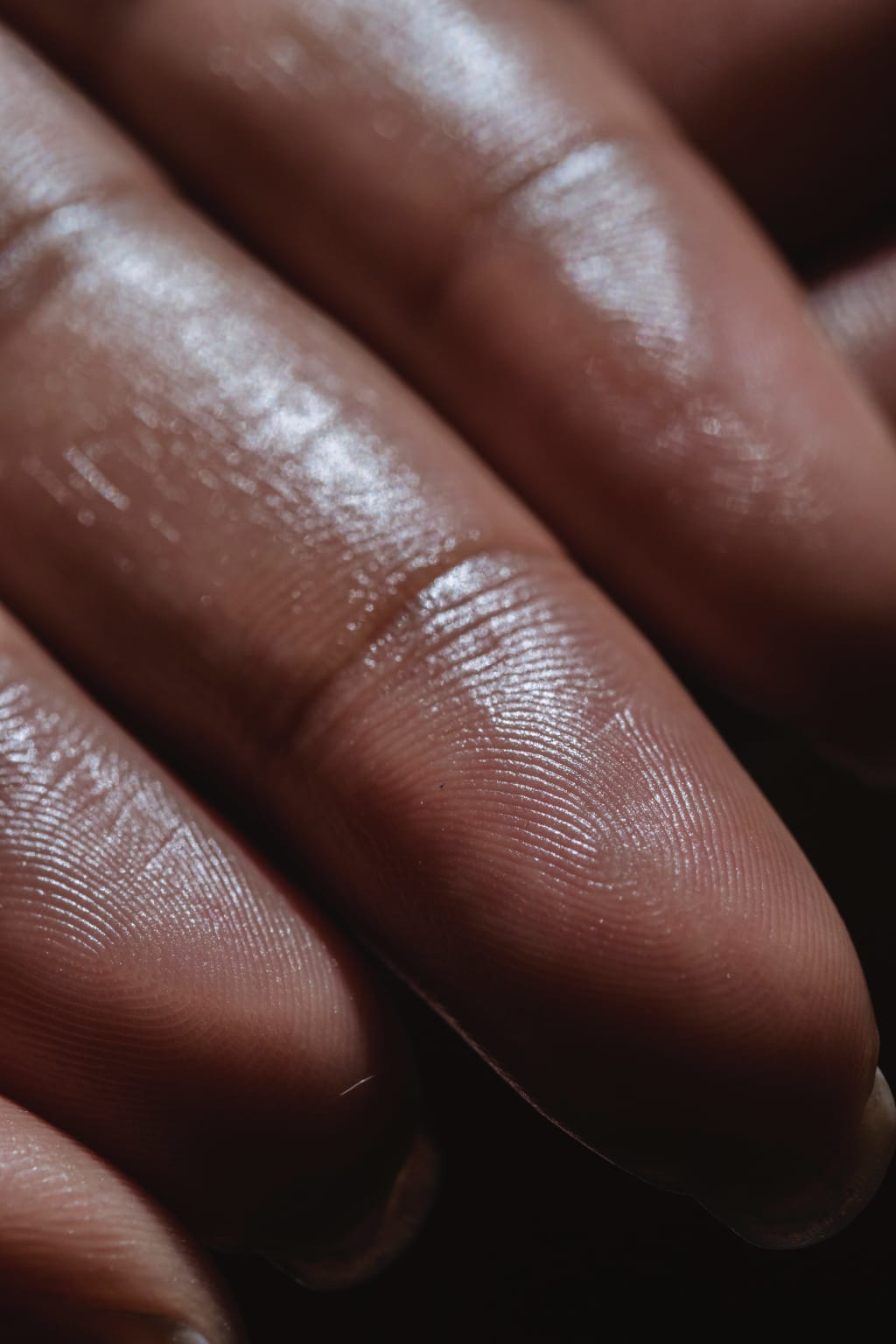
Dermatoglyphics, derived from the Greek words "derma" (skin) and "glyphein" (carve), is the scientific study of skin patterns, including fingerprints. These unique ridges, whorls, and loops are formed during fetal development and are influenced by a combination of genetic and environmental factors. The study of dermatoglyphics has unraveled the intricate patterns that distinguish one person from another, even among genetically identical individuals.
Chapter 3: The Formation of Fingerprints
The development of fingerprints begins in the womb, around the 10th week of gestation. The ridges and valleys that form these distinctive patterns are influenced by various factors, including fetal movement, amniotic fluid pressure, and genetic predispositions. Remarkably, the process results in a unique set of fingerprints for each individual, including identical twins.
Chapter 4: Genetic Influence on Dermatoglyphics
While genetics play a role in shaping the broad patterns of dermatoglyphics, the specific details of fingerprints are not solely determined by genes. Identical twins share the same genetic instructions that guide the overall formation of their fingerprints, but subtle variations in the interaction of genes and environmental factors contribute to the distinctiveness of each twin's prints.
Chapter 5: Environmental Factors
The uniqueness of fingerprints is not solely dictated by genetic factors; environmental influences also play a crucial role. Factors such as blood flow, pressure, and positioning of the fingers in the womb contribute to the specific details of ridge patterns. The dynamic interplay between genetics and the uterine environment results in fingerprints that are akin to individual signatures.
Chapter 6: The Statistical Unlikelihood
The statistical unlikelihood of identical twins having the same fingerprints adds an intriguing layer to this genetic puzzle. The sheer complexity and precision required in the formation of fingerprints make it highly improbable for two individuals—even those with identical genetic makeup—to share the same set of dermatoglyphics.
Chapter 7: Legal and Forensic Implications
The fact that identical twins don't have the same fingerprints holds significant implications in legal and forensic contexts. Fingerprint analysis has long been a cornerstone of forensic identification, relying on the assumption that no two individuals, even identical twins, share identical prints. This uniqueness strengthens the reliability of fingerprints as a means of personal identification in criminal investigations and legal proceedings.
Chapter 8: Embracing Individuality
As we unravel the mystery of non-identical fingerprints in identical twins, we are reminded of the exquisite complexity of human development. Dermatoglyphics, with their intricate patterns and individualistic imprints, serve as a testament to the uniqueness inherent in each person, even those who share the same genetic blueprint. Identical twins, while connected by a profound bond, carve out their distinct identities in the delicate ridges and swirls that grace their fingertips.
Conclusion: Nature's Unique Brushstroke
In the fascinating interplay of genetics and environment, the revelation that identical twins don't have the same fingerprints emerges as a testament to the intricacies of human development. Dermatoglyphics, with its delicate brushstroke, paints a portrait of individuality that transcends the boundaries of shared DNA. As we marvel at the wonders of identical twins, let us appreciate the unique imprints that distinguish each individual, leaving an indelible mark on the canvas of human diversity.
About the Creator
Keep reading
More stories from fatima zahra ajankar and writers in Humans and other communities.
"In the Heart of the Matter: The Intriguing Tale of a Shrimp's Head-Centric Circulatory System"
Introduction: The world beneath the waves is a realm of wonders, where marine life unfolds its secrets in myriad forms. Amidst the aquatic ballet of colors and shapes, the shrimp emerges as a fascinating character, boasting a peculiarity that sets it apart from other crustaceans—the location of its heart. In a twist that challenges the conventional understanding of circulatory systems, the shrimp's heart takes center stage in its head. Join us as we dive into the underwater intricacies of this captivating phenomenon, exploring the remarkable relationship between a shrimp's heart and its head.
By fatima zahra ajankar2 years ago in Humans
Whiskey At Dusk
Guess the whiskey was more important to you in the end, wasn’t it? It was more than the well-being of your friends; more vital than showing up to the places you promised you would and could come to; more critical of a matter than fulfilling your damn responsibilities and getting the press off your back.
By Snarky Lisa2 days ago in Humans
10 Routine Manners People Judge More Than Your Words.
People judge character through behavior more than speech. Psychology research shows moral evaluation starts with everyday manners. You reveal values through repetition, not explanation. These small actions shape trust, respect, and social standing fast.
By Wilson Igbasi3 days ago in Humans



Comments
There are no comments for this story
Be the first to respond and start the conversation.