
"In the Heart of the Matter: The Intriguing Tale of a Shrimp's Head-Centric Circulatory System"
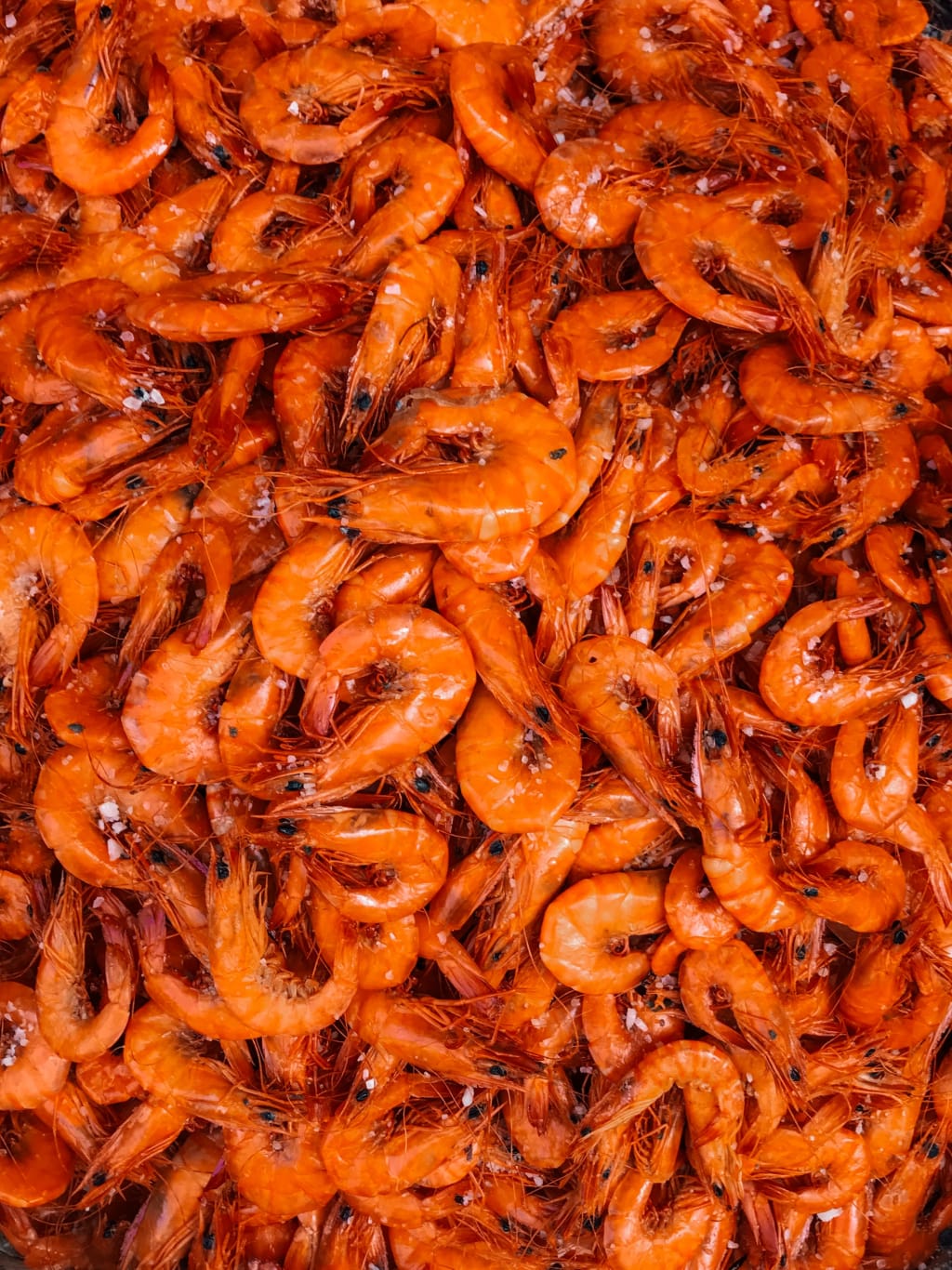
The fact that A shrimp's heart is in its head.
Introduction:
The world beneath the waves is a realm of wonders, where marine life unfolds its secrets in myriad forms. Amidst the aquatic ballet of colors and shapes, the shrimp emerges as a fascinating character, boasting a peculiarity that sets it apart from other crustaceans—the location of its heart. In a twist that challenges the conventional understanding of circulatory systems, the shrimp's heart takes center stage in its head. Join us as we dive into the underwater intricacies of this captivating phenomenon, exploring the remarkable relationship between a shrimp's heart and its head.
Chapter 1: A Closer Look at Crustacean Anatomy
To understand the anomaly of a shrimp's heart residing in its head, we must first acquaint ourselves with the basics of crustacean anatomy. Shrimp, like other crustaceans, belong to the arthropod family, characterized by their exoskeletons, segmented bodies, and jointed appendages. Within this family, the circulatory system plays a crucial role in transporting nutrients and oxygen throughout the shrimp's body.
Chapter 2: The Underappreciated Head Region
In most animals, the heart is conventionally located in the chest or abdominal cavity, working diligently to pump blood and maintain the flow of life-sustaining fluids. However, the shrimp challenges this norm, relegating its heart to an unexpected and, some might say, underappreciated location—the head.
Chapter 3: The Shrimp's Unique Circulatory System
The shrimp's circulatory system is a marvel of efficiency and adaptation to its aquatic environment. Unlike vertebrates with closed circulatory systems, shrimp possess an open circulatory system. In this system, the shrimp's heart pumps hemolymph, a fluid similar to blood, into the body cavity, allowing it to bathe the internal organs directly.
Chapter 4: The Headquarters of the Heart
Now, let's focus our attention on the shrimp's head, the headquarters of its unique circulatory system. Nestled snugly within the cephalothorax—the fused head and thorax region—the heart finds its home. Positioned just above the stomach and beneath the carapace, the shrimp's heart pulses to propel hemolymph into the body's peripheries, ensuring the vital exchange of oxygen and nutrients.
Chapter 5: The Pulse of Life
The shrimp's heart, though compact and nestled within the confines of its head, plays a pivotal role in sustaining life. With each rhythmic contraction, the heart propels hemolymph through a network of sinuses and vessels, bathing the organs and tissues in a nourishing cascade. This decentralized circulatory system aligns with the shrimp's evolutionary adaptations to its dynamic aquatic habitat.
Chapter 6: The Dual-Function Antennal Glands
In addition to serving as the epicenter of the circulatory system, the shrimp's head harbors another fascinating feature—the antennal glands. Also known as green glands, these structures play a dual role as excretory and osmoregulatory organs. Situated near the base of the antennae, the antennal glands contribute to maintaining the shrimp's internal balance and filtering waste products.
Chapter 7: Evolutionary Significance
The evolutionary journey that led to the shrimp's unique circulatory arrangement holds clues to the advantages it imparts. The head-centric heart aligns with the shrimp's streamlined body plan and enhances its ability to navigate the aquatic environment. This adaptation exemplifies the remarkable diversity of life, showcasing nature's penchant for experimenting with form and function.
Chapter 8: Shrimp in the Culinary World
Beyond the realm of marine biology, the shrimp's peculiar anatomy has practical implications in the culinary world. As a popular seafood delicacy, shrimp's unique physiology influences the methods used in deveining and preparing these crustaceans for culinary delights. Understanding the intricacies of a shrimp's circulatory system adds a layer of appreciation for the biology beneath the delectable surface.
Conclusion: A Shrimp's Tale of Adaptation
In the world of underwater wonders, the shrimp's heart residing in its head stands as a testament to the adaptive brilliance of nature. This anomaly challenges preconceived notions about circulatory systems and invites us to marvel at the diversity of life beneath the waves. As we savor shrimp dishes on our plates, let's appreciate not only their culinary appeal but also the remarkable tale of adaptation written in the beats of a shrimp's heart, pulsing within the confines of its aquatic headquarters.
About the Creator
Keep reading
More stories from fatima zahra ajankar and writers in Humans and other communities.
"McDonald's Unconventional Experiment: The Bubblegum Flavored Broccoli Saga"
Introduction: Fast-food giants are known for their innovative endeavors, constantly seeking new ways to entice and surprise their customers. In the annals of McDonald's history, there exists a peculiar and short-lived experiment—a culinary venture that saw the collision of two seemingly incompatible flavors. Brace yourself for the story of bubblegum-flavored broccoli, an unconventional chapter in the world of fast food that left both customers and culinary historians scratching their heads.
By fatima zahra ajankar2 years ago in Humans
Whiskey At Dusk
Guess the whiskey was more important to you in the end, wasn’t it? It was more than the well-being of your friends; more vital than showing up to the places you promised you would and could come to; more critical of a matter than fulfilling your damn responsibilities and getting the press off your back.
By Snarky Lisaa day ago in Humans
Venus and Mars in Your Birth Chart Explain Irresistible Attraction.
Attraction rarely feels random. Some connections feel calm. Others feel magnetic and consuming. Astrology explains this through Venus and Mars. These two planets shape desire, bonding, and pursuit. When their energies interact, attraction feels strong and unforgettable.
By Wilson Igbasi4 days ago in Humans



Comments
There are no comments for this story
Be the first to respond and start the conversation.