
Understanding Self harm
Strategies for Support and Recovery
Introduction:
Self-harm is a complex and deeply personal issue that affects individuals across various age groups, genders, and backgrounds. While the reasons behind self-harm can be diverse, it is crucial to approach this topic with empathy, understanding, and the goal of providing meaningful support. In this essay, we will explore the underlying factors that drive individuals to engage in self-harm, and discuss strategies and interventions that can help prevent self-harm and assist those in need.
Understanding Self-Harm:
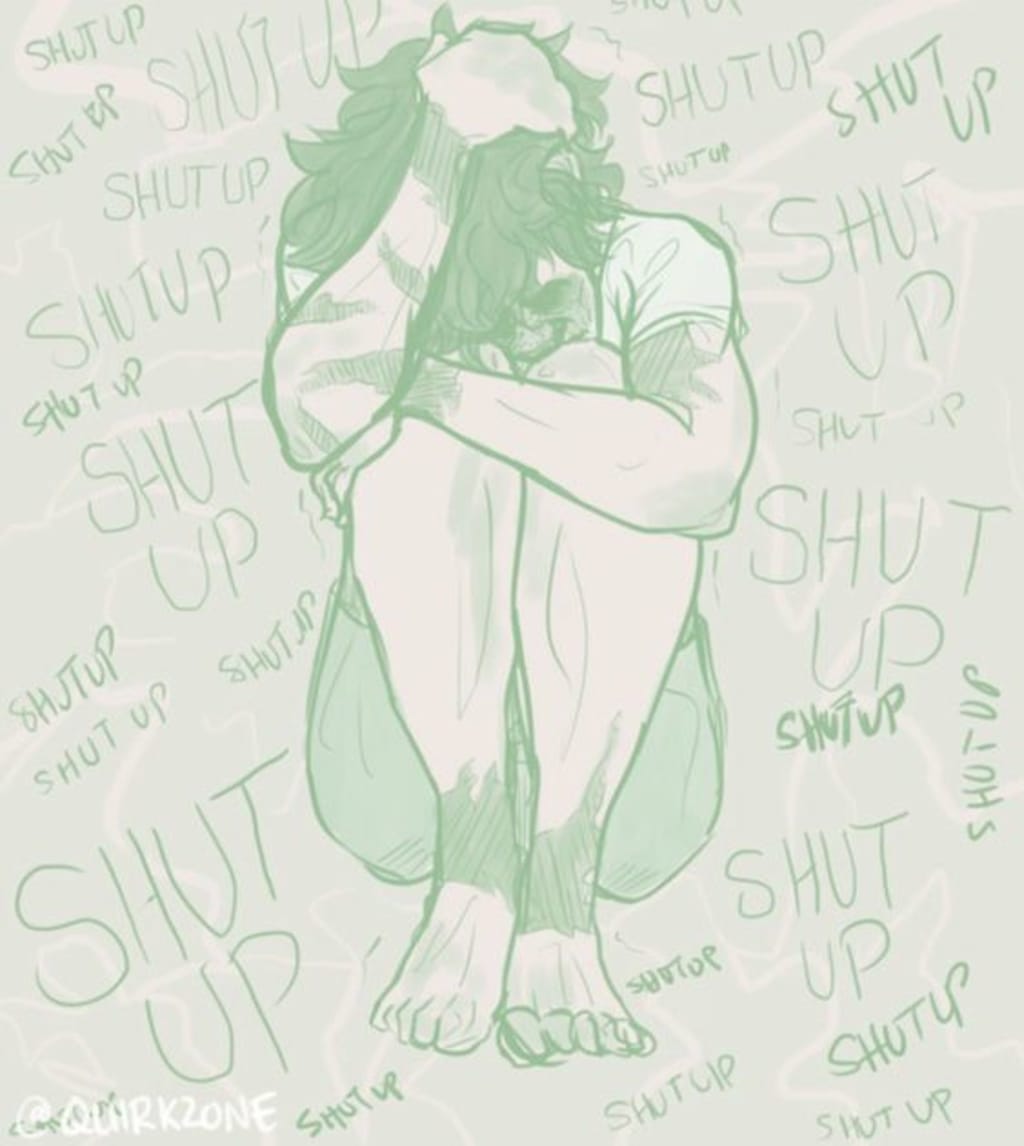
Self-harm, often referred to as non-suicidal self-injury, is the deliberate act of causing physical harm to oneself as a means of coping with emotional pain or distress. It is essential to recognize that self-harm is not a choice made out of attention-seeking or a desire to cause harm to others, but rather a way for individuals to temporarily alleviate their inner anguish or regain a sense of control over their emotions.
Psychological Factors:
a. Emotional Regulation: Some individuals resort to self-harm as a maladaptive coping mechanism to manage overwhelming emotions, such as sadness, anger, or anxiety. The act of self-injury provides a temporary release from intense emotional turmoil.
b. Self-Punishment: Feelings of guilt, shame, or worthlessness may lead individuals to believe they deserve physical pain as a form of punishment for perceived inadequacies or mistakes.
c. Emotional Numbness: Paradoxically, self-harm can be a way to feel something physical when emotional numbness sets in, as the physical pain can serve as a temporary distraction or a reminder of being alive.
Environmental Factors:
a. Trauma and Abuse: Individuals who have experienced traumatic events or endured abusive relationships may turn to self-harm as a means to regain control over their bodies and process their pain.
b. Peer Influence: In some cases, self-harm can emerge as a result of peer influence or as a means to fit into a particular social group. It is crucial to address the underlying issues and support individuals in finding healthier ways to connect with others.
Preventing and Addressing Self-Harm:
Supporting individuals who engage in self-harm requires a compassionate and comprehensive approach. Here are strategies to help individuals on their journey towards recovery:
Education and Awareness:
Promote awareness about self-harm among communities, schools, and families. Encourage open conversations to eliminate misconceptions and foster understanding.
Early Intervention:
Identify warning signs, such as unexplained cuts, scars, or frequent use of concealing clothing, and intervene promptly. Encourage open dialogue, providing a safe and non-judgmental environment for individuals to share their struggles.
Professional Help:
Connect individuals with mental health professionals, such as therapists or counselors, who specialize in self-harm and can provide appropriate therapy and support. These professionals can help individuals develop healthier coping strategies, build resilience, and address underlying emotional issues.
Support Networks:
Encourage individuals to join support groups or engage in therapy programs where they can connect with others who have experienced similar challenges. Peer support can provide validation, understanding, and a sense of belonging.
Alternative Coping Mechanisms:
Help individuals explore healthier ways to cope with emotional distress. Encourage them to develop hobbies, engage in physical activities, express emotions through art or writing, or practice relaxation techniques like deep breathing or mindfulness.
Non-judgmental Approach:
Approach discussions about self-harm with empathy, understanding, and without judgment. Foster an environment where individuals feel safe to express their feelings and experiences without fear of being stigmatized.
Conclusion:
Understanding self-harm requires recognizing the complexity and deeply personal nature of the issue. By addressing the psychological and environmental factors that contribute to self-harm, we can provide the necessary support to help individuals heal. Through education, early intervention, professional help, support networks, and alternative coping mechanisms, we can assist individuals on their path to recovery, promoting their mental well-being and empowering them to lead fulfilling lives free from self-harm.
About the Creator
Keep reading
More stories from writers in Humans and other communities.
Whiskey At Dusk
Guess the whiskey was more important to you in the end, wasn’t it? It was more than the well-being of your friends; more vital than showing up to the places you promised you would and could come to; more critical of a matter than fulfilling your damn responsibilities and getting the press off your back.
By Snarky Lisa3 days ago in Humans
(17) The Shape of the Work
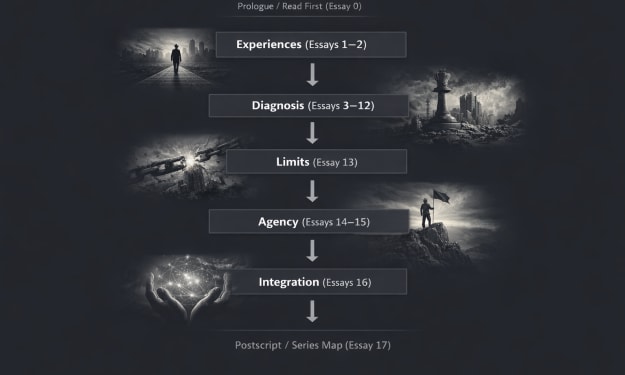
This essay exists to make the structure of the series visible after the fact. It does not introduce new arguments or advance new claims. Its purpose is architectural. It explains how the work is organized, why the sequence matters, and what each movement is responsible for accomplishing. Without this reference, readers may grasp individual insights while missing the coherence of the whole. With it, the series can be understood as a single, intentional construction rather than a collection of adjacent essays.
By Peter Thwing - Host of the FST Podcasta day ago in Humans
🅼🅸🅳🅽🅸🅶🅷🆃 🆂🅽🅰🅲🅺🆂
"It's 10 in Tuscon! We all know what that means... It's Time for Midnight Snacks with your man, Gerald Gee! Ready to spend the night together? Me too! I'm full of snacks and can't wait to regurgitate them all back into your hungry ears. Crack a brew! Pop some corn! Anything to get ready for one hell of a show where the talk maybe cheap but the words cut deep...
By Lamar Wiggins5 days ago in Fiction



Comments
There are no comments for this story
Be the first to respond and start the conversation.