
Understanding Schizophrenia: Can It Ever Truly Disappear?
Schizophrenia is a complex and perplexing mental disorder that affects millions of people around the world. But the question remains: can it ever truly disappear? In this article, we delve deep into the understanding of schizophrenia and explore the possibility of complete remission. Schizophrenia is characterized by a range of symptoms, including hallucinations, delusions, disorganized thinking, and impaired social functioning. It can be a lifelong condition, but with proper diagnosis and treatment, many individuals with schizophrenia experience periods of stability and recovery. However, the concept of "disappearing" schizophrenia is a contentious one. While some individuals may achieve long periods of symptom remission, complete eradication of the disorder is rare. It is also important to note that schizophrenia is a highly individualized condition, with varying levels of severity and response to treatment. Throughout this article, we will explore the latest research findings, treatment options, and personal experiences to shed light on the complexities of schizophrenia and provide a balanced perspective on its potential for disappearance. Join us on this exploration to better understand this enigmatic disorder and the possibilities for recovery it presents.

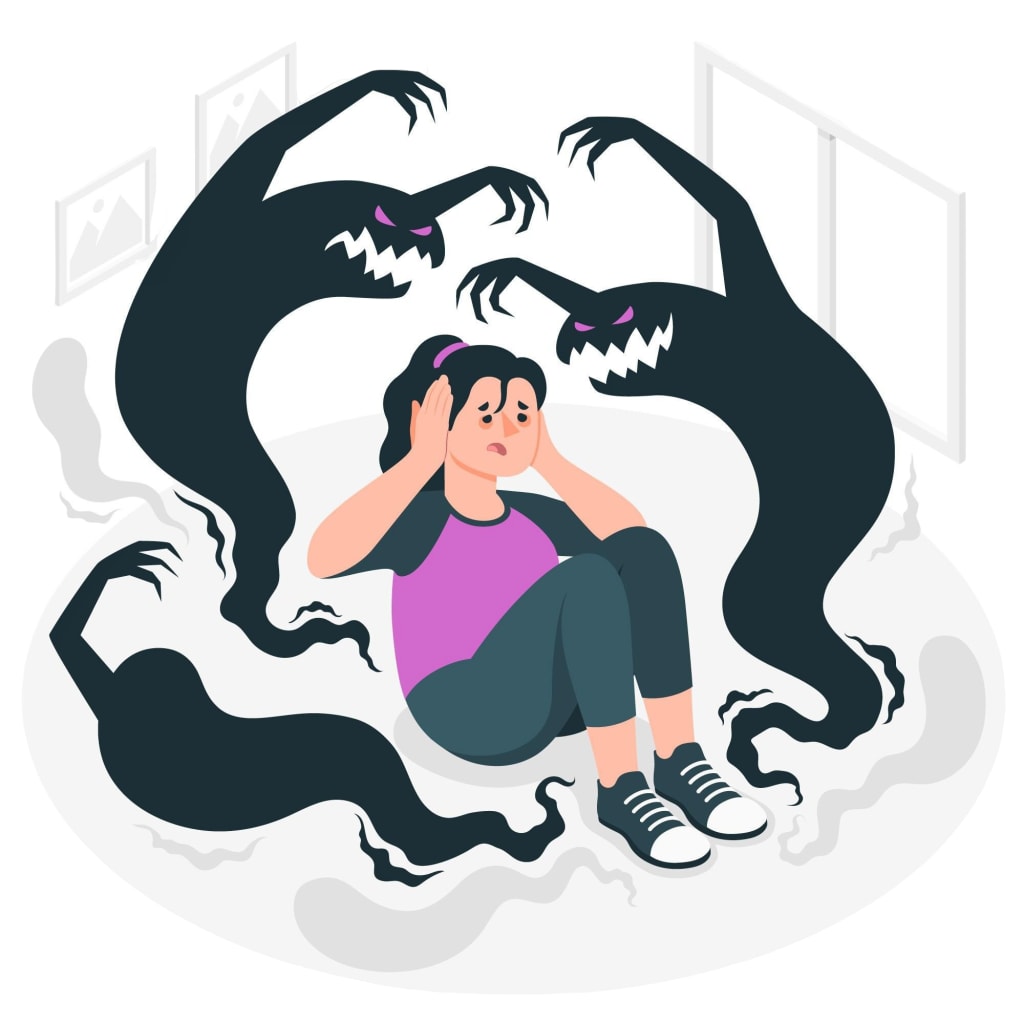
Schizophrenia is a chronic and severe mental disorder that affects how a person thinks, feels, and behaves. It is often mischaracterized as a split personality or multiple personality disorder, but it is actually a complex condition that can lead to a disconnect from reality. Individuals with schizophrenia may experience a range of symptoms that can significantly impair their daily functioning and quality of life. The onset typically occurs in late adolescence or early adulthood, although it can manifest at any age.
The disorder is categorized as a psychotic disorder, which means it can cause significant distortions in thinking and perception. People with schizophrenia may struggle to distinguish between what is real and what is not, leading to profound feelings of confusion and distress. This can result in various social challenges, as individuals may find it difficult to maintain relationships or hold down a job due to their symptoms.
Understanding schizophrenia goes beyond recognizing its symptoms; it also involves acknowledging the stigma and misunderstanding that surrounds it. Many individuals with this disorder face societal discrimination and isolation, which can exacerbate their condition. As awareness and education about schizophrenia grow, the hope is that those affected can receive the compassion and support they need to lead fulfilling lives.
Symptoms of schizophrenia
The symptoms of schizophrenia can be divided into three primary categories: positive, negative, and cognitive symptoms. Positive symptoms refer to an excess or distortion of normal functions and include hallucinations, delusions, and disorganized thinking. Hallucinations are sensory experiences that occur without any external stimuli, such as hearing voices or seeing things that aren't there. Delusions are false beliefs that are strongly held despite evidence to the contrary, such as believing one has special powers or is being persecuted.
Negative symptoms, on the other hand, reflect a decrease or loss of normal functions. These can include a lack of motivation, reduced emotional expression, social withdrawal, and difficulty in experiencing pleasure. Individuals may seem apathetic or indifferent to their surroundings, which can make engaging in social interactions particularly challenging. This aspect of the disorder can lead to significant isolation and a sense of hopelessness. You wil also have this question that - Is Schzophrenia Genetic
Cognitive symptoms are often less recognized but can be equally debilitating. These symptoms may involve difficulties with attention, memory, and executive functions, such as planning and decision-making. Individuals with cognitive impairments may struggle to focus on tasks or retain information, which can hinder their ability to function in everyday life. Understanding the full range of symptoms is crucial for developing effective treatment strategies and fostering empathy for those living with schizophrenia.
Causes of schizophrenia
The exact causes of schizophrenia remain unclear, but research suggests that a combination of genetic, biological, and environmental factors contributes to its development. Genetics play a significant role, as individuals with a family history of schizophrenia are at a higher risk of developing the disorder. However, having a genetic predisposition does not guarantee that one will develop schizophrenia, indicating that other factors are also at play.
Biological factors, particularly the role of neurotransmitters in the brain, are essential to understanding schizophrenia. Dopamine and glutamate, two key neurotransmitters, are believed to be involved in the disorder’s pathology. Studies have shown that an imbalance in these chemicals can lead to the symptoms experienced by individuals with schizophrenia. Additionally, brain imaging studies have revealed structural differences in the brains of those affected, further highlighting the biological underpinnings of the disorder.
Environmental factors also contribute significantly to the onset of schizophrenia. Stressful life events, traumatic experiences, and exposure to toxins or infections during prenatal development have all been linked to an increased risk of developing the disorder. Furthermore, drug use, particularly during adolescence, has been associated with triggering symptoms in susceptible individuals. The interplay between these various factors makes schizophrenia a complex disorder that requires a multifaceted approach to understanding and treatment.
Diagnosis and treatment of schizophrenia
Diagnosing schizophrenia is a nuanced process that typically involves a comprehensive evaluation by a mental health professional. There is no single test for schizophrenia; instead, clinicians rely on a combination of clinical interviews, psychological assessments, and observations of the individual's behavior. To be diagnosed, an individual must meet specific criteria outlined in the Diagnostic and Statistical Manual of Mental Disorders (DSM-5), which includes experiencing at least two of the core symptoms for a significant portion of time over a month.
Once a diagnosis is established, the focus shifts to treatment. A multidisciplinary approach is often the most effective, combining medication, psychotherapy, and social support. Early intervention is crucial, as it can lead to better long-term outcomes. Treatment plans are often tailored to the individual's specific needs and may change over time based on the person's response to therapy and symptomatology.
While there is no cure for schizophrenia, many individuals can manage their symptoms effectively with the right treatment. Ongoing support from mental health professionals, family, and peers is essential in helping individuals navigate the challenges of living with the disorder. The goal of treatment is not only to reduce symptoms but also to enhance the individual's quality of life and promote independence and self-sufficiency.
Medications for schizophrenia
Medications are a cornerstone of schizophrenia treatment and are primarily classified into two categories: antipsychotics and mood stabilizers. Antipsychotics are designed to address the positive symptoms of schizophrenia, such as hallucinations and delusions. These medications work by altering the balance of neurotransmitters in the brain, particularly dopamine. There are two main types of antipsychotics: typical (first-generation) and atypical (second-generation). While typical antipsychotics can be effective, they are often associated with a range of side effects, including extrapyramidal symptoms.
Atypical antipsychotics have gained popularity due to their efficacy in treating both positive and negative symptoms with a lower risk of severe side effects. Commonly prescribed atypical antipsychotics include risperidone, olanzapine, and quetiapine. However, it is important for individuals to work closely with their healthcare providers to find the right medication and dosage, as responses can vary significantly from person to person.
It is also crucial to emphasize that medication should be part of a broader treatment plan that includes therapy and support. While medications can significantly reduce symptoms, they do not address the underlying psychosocial issues that may contribute to the disorder. Regular follow-ups with healthcare professionals help ensure that the treatment plan remains effective and can be adjusted as needed to accommodate changes in symptoms or side effects.
Psychotherapy for schizophrenia
Psychotherapy plays a vital role in the comprehensive treatment of schizophrenia. While medications are essential for symptom management, therapy can help individuals develop coping strategies, enhance their social skills, and improve their overall quality of life. Cognitive-behavioral therapy (CBT) is particularly beneficial for those with schizophrenia, as it focuses on challenging and restructuring distorted thought patterns that may lead to distressing symptoms.
In addition to CBT, supportive therapy can provide individuals with a safe space to express their feelings and experiences. This type of therapy emphasizes building a trusting relationship between the therapist and the client, which can be crucial for those who may feel isolated or misunderstood due to their condition. Supportive therapy can also facilitate better communication and help individuals articulate their needs and concerns.
Group therapy and family therapy are also valuable components of a holistic treatment approach. Group therapy offers individuals the opportunity to connect with others who share similar experiences, fostering a sense of community and belonging. Family therapy can educate family members about schizophrenia, improve communication, and strengthen support systems. By addressing both individual and relational aspects, psychotherapy can significantly enhance the overall treatment experience for those living with schizophrenia.
Can schizophrenia ever truly disappear?
The question of whether schizophrenia can ever truly disappear is complex and multifaceted. While some individuals experience significant symptom relief and long periods of remission, complete eradication of the disorder is rare. Many factors influence the course of schizophrenia, including early intervention, the individual's support system, and their response to treatment. While it may not "disappear" in the traditional sense, many individuals lead fulfilling lives with effective management of their symptoms.
Research indicates that some individuals may experience what is termed "functional remission," where they can live independently and manage their daily lives despite having a diagnosis of schizophrenia. This level of recovery often depends on a combination of medication adherence, therapeutic support, and personal resilience. Some studies have shown that approximately 20-30% of people with schizophrenia achieve a significant level of recovery, which can include stable employment and healthy relationships.
It's essential to recognize that recovery is a highly individualized journey. Factors such as comorbid conditions, social support, and lifestyle choices can all impact an individual's experience with schizophrenia. Acceptance of the disorder and the commitment to ongoing treatment can empower individuals to navigate their challenges and improve their quality of life. Ultimately, while schizophrenia may not vanish completely, many can find ways to thrive and manage their condition effectively.
Managing schizophrenia in everyday life
Managing schizophrenia in everyday life requires a multifaceted approach that includes medication adherence, therapy, lifestyle adjustments, and robust support systems. Establishing a daily routine can provide structure and a sense of normalcy for individuals coping with the disorder. Engaging in regular physical activity, maintaining a balanced diet, and prioritizing sleep can have significant positive effects on mental health. These lifestyle changes can help mitigate some symptoms and improve overall well-being.
Moreover, developing effective coping strategies is crucial for managing stress and preventing relapse. Mindfulness techniques, journaling, and art therapy can serve as valuable tools for emotional expression and self-reflection. Encouraging individuals to identify their triggers and develop personalized coping mechanisms can empower them to handle challenges more effectively. Support from friends, family, and mental health professionals is essential in reinforcing these strategies and providing encouragement.
Social engagement is another vital aspect of managing schizophrenia. Building a strong support network can help combat feelings of isolation and provide a sense of belonging. Encouraging participation in community activities, support groups, or social clubs can foster connections and reduce stigma. It is important for individuals to surround themselves with understanding and compassionate people who can provide encouragement and support throughout their journey.
Support and resources for individuals with schizophrenia
Access to support and resources is critical for individuals living with schizophrenia and their families. Numerous organizations and advocacy groups provide information, resources, and community support to help those affected by the disorder. These organizations often host educational workshops, support groups, and outreach programs designed to connect individuals with mental health professionals and peers who understand their experiences.
Online resources, including forums and social media groups, can also offer valuable support and information. Many individuals find solace in sharing their experiences with others who face similar challenges. These platforms can provide a sense of community and reduce feelings of isolation, allowing individuals to learn from one another and share coping strategies.
Family support is equally important in managing schizophrenia. Families can benefit from education about the disorder, which can help them understand the challenges their loved ones face. Support groups for families can offer a safe space to share experiences, concerns, and strategies for supporting the individual living with schizophrenia. By fostering an open dialogue and creating a supportive environment, families can play a crucial role in the recovery and well-being of their loved ones.
Conclusion
Understanding schizophrenia is essential to dismantling the stigma surrounding the disorder and fostering compassion for those affected. While the question of whether schizophrenia can truly disappear remains complex, it is clear that many individuals can achieve significant levels of recovery and lead fulfilling lives. A combination of effective treatment, psychotherapy, and strong support systems can empower individuals to manage their symptoms and navigate the challenges associated with the disorder.
As research continues to evolve, the hope is that new treatment options and interventions will emerge, further improving the prognosis for individuals with schizophrenia. Early intervention and a personalized approach to treatment can significantly enhance outcomes, allowing individuals to thrive despite their diagnosis. By fostering understanding and providing resources, we can work towards a future where those living with schizophrenia can find connection, support, and a sense of belonging in their communities.
Ultimately, the journey of managing schizophrenia is individual and unique. By embracing the complexities of this disorder and supporting those affected, we can create a more inclusive and compassionate society that recognizes the potential for recovery and growth in every individual.
About the Creator
Ashley Regan
As an author and mental health expert, Ashley Regan offers a compassionate guide through the maze of mental well-being. With profound insight and empathy, her writings serve as a roadmap for those navigating mental health challenges.
Keep reading
More stories from Ashley Regan and writers in Humans and other communities.
How Often Do Anxiety Attacks Really Occur?
Anxiety attacks, also known as panic attacks, can occur unexpectedly and vary in severity. But just how often do they really happen? Contrary to popular belief, anxiety attacks are not as frequent as one might assume. While anxiety is a widespread mental health condition affecting millions worldwide, studies indicate that only a fraction of those diagnosed experience regular panic attacks.
By Ashley Reganabout a year ago in Humans


Comments
There are no comments for this story
Be the first to respond and start the conversation.