
How Often Do Anxiety Attacks Really Occur?
Are anxiety attacks as common as they seem, or are they more rare than we think? This question has plagued many individuals who suffer from anxiety or have loved ones who do. In this article, we will delve into the hidden truth behind the frequency of anxiety attacks and shed light on the real statistics.

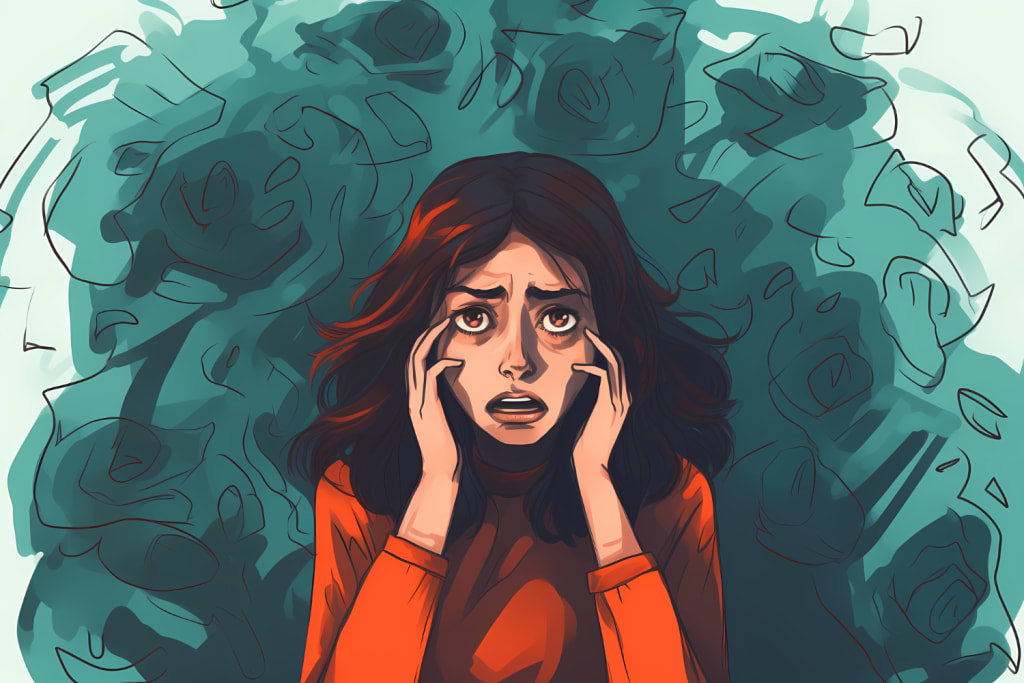
Anxiety attacks, also known as panic attacks, can occur unexpectedly and vary in severity. But just how often do they really happen? Contrary to popular belief, anxiety attacks are not as frequent as one might assume. While anxiety is a widespread mental health condition affecting millions worldwide, studies indicate that only a fraction of those diagnosed experience regular panic attacks.
By understanding the true prevalence of anxiety attacks, we can debunk myths, challenge stigmas, and provide a clearer picture of this debilitating condition. Join us as we explore the hidden truth behind anxiety attacks and gain insight into the frequency with which they occur.
Understanding anxiety attacks
Anxiety attacks, also known as panic attacks, are sudden and overwhelming episodes of intense fear, discomfort, and physical symptoms. These episodes can be triggered by various factors, including stress, trauma, or even seemingly innocuous situations. During an anxiety attack, the body's fight-or-flight response is activated, leading to a surge of physical sensations such as rapid heartbeat, shortness of breath, trembling, and a sense of impending doom.
Anxiety attacks can be incredibly disruptive and debilitating, often leaving individuals feeling helpless and unable to function normally. They can occur without warning, and the unpredictable nature of these episodes can further exacerbate the anxiety experienced by those affected. Understanding the nature and underlying causes of anxiety attacks is crucial in order to develop effective coping strategies and seek appropriate treatment.
It's important to note that anxiety attacks are not the same as general feelings of anxiety or nervousness. While anxiety is a common human experience, anxiety attacks are a more severe and acute manifestation of the condition. They are characterized by a distinct set of physical and psychological symptoms that can significantly impair an individual's ability to function in daily life. By recognizing the unique characteristics of anxiety attacks, we can better address the needs of those who struggle with this challenging mental health condition.
Common misconceptions about anxiety attacks
One of the most prevalent misconceptions about anxiety attacks is that they are a sign of weakness or a lack of control. This stigma can be particularly damaging, as it can prevent individuals from seeking the help and support they need. In reality, anxiety attacks are a very real and valid medical condition that can affect anyone, regardless of their perceived strength or resilience.
Another common misconception is that anxiety attacks are a rare occurrence, affecting only a small percentage of the population. However, this is far from the truth. Anxiety disorders, which often include the experience of anxiety attacks, are one of the most common mental health conditions worldwide. In fact, studies have shown that millions of people around the globe struggle with some form of anxiety disorder, with a significant portion of these individuals experiencing regular anxiety attacks.
Furthermore, there is a common belief that anxiety attacks are easy to predict and control. While there may be certain triggers or patterns associated with an individual's anxiety attacks, the reality is that they can often occur unexpectedly and without a clear cause. This unpredictability can be a significant source of distress and can make it challenging for individuals to manage their anxiety effectively. By dispelling these misconceptions, we can foster a greater understanding and empathy for those who experience anxiety attacks, paving the way for more effective support and treatment.
Prevalence of anxiety attacks
Contrary to popular belief, anxiety attacks are not as common as they may appear. While anxiety disorders, in general, are widespread, the actual frequency of anxiety attacks can vary significantly among individuals.
According to the Anxiety and Depression Association of America (ADAA), approximately 40 million adults in the United States, or 18.1% of the population, suffer from an anxiety disorder each year. However, not all of these individuals experience regular anxiety attacks. The ADAA estimates that only about 2-3% of the population experiences panic attacks, which are a specific type of anxiety attack characterized by a sudden and intense surge of physical and psychological symptoms.
It's important to note that the prevalence of anxiety attacks can also vary depending on the specific type of anxiety disorder. For example, individuals with panic disorder, a condition characterized by recurrent and unexpected panic attacks, may experience these episodes more frequently than those with other anxiety disorders, such as generalized anxiety disorder or social anxiety disorder. Additionally, the frequency and severity of anxiety attacks can be influenced by factors such as age, gender, and underlying medical conditions.
Factors that contribute to anxiety attacks
Anxiety attacks can be triggered by a variety of factors, both internal and external. Understanding the potential contributors to these episodes can help individuals better manage their anxiety and develop effective coping strategies.
One of the primary factors that can lead to anxiety attacks is stress. Chronic or acute stress can place significant strain on the body and mind, making individuals more susceptible to the onset of anxiety attacks. Stressful life events, such as major life changes, financial difficulties, or relationship problems, can all contribute to the development of anxiety attacks.
Traumatic experiences, whether recent or from the past, can also be a significant trigger for anxiety attacks. Individuals who have experienced trauma, such as physical or emotional abuse, natural disasters, or other life-threatening events, may be more prone to experiencing anxiety attacks, as the body's stress response becomes heightened and more easily activated.
Signs and symptoms of anxiety attacks
Anxiety attacks are characterized by a distinct set of physical and psychological symptoms that can be highly distressing and disruptive. Recognizing the signs and symptoms of an anxiety attack can be crucial in both identifying and managing these episodes effectively.
The most common physical symptoms of an anxiety attack include:
- Rapid heartbeat or palpitations
- Shortness of breath or feelings of choking
- Trembling or shaking
- Sweating
- Nausea or stomach discomfort
- Dizziness or lightheadedness
- Chest pain or discomfort
- Numbness or tingling in the extremities
Alongside these physical manifestations, anxiety attacks are also accompanied by a range of psychological symptoms, such as:
- Intense fear or feelings of impending doom
- Sense of loss of control or detachment from reality
- Overwhelming sense of worry or panic
- Difficulty concentrating or making decisions
- Irritability or mood swings
It's important to note that the specific symptoms experienced during an anxiety attack can vary from person to person, and the intensity and duration of the episode can also fluctuate. Understanding the unique pattern of symptoms can help individuals better recognize the onset of an anxiety attack and implement appropriate coping strategies.
Triggers for anxiety attacks
Anxiety attacks can be triggered by a wide range of factors, both internal and external. Identifying the specific triggers that contribute to an individual's anxiety attacks can be crucial in developing effective management strategies.
Some common triggers for anxiety attacks include:
- Stressful life events or major life changes
- Traumatic experiences or memories
- Certain situations or environments, such as crowded places, public speaking, or social interactions
- Specific phobias or fears, such as fear of heights, enclosed spaces, or specific animals
- Certain physical sensations or symptoms, such as a rapid heartbeat or shortness of breath
- Caffeine, alcohol, or certain medications
- Hormonal changes or imbalances, such as those experienced during menstrual cycles or pregnancy
It's important to note that the triggers for anxiety attacks can be highly personalized and may vary from individual to individual. What may trigger an anxiety attack in one person may not have the same effect on another. By understanding their unique triggers, individuals can better prepare and develop strategies to manage their anxiety and prevent or mitigate the occurrence of anxiety attacks.
Coping strategies for anxiety attacks
Individuals who experience anxiety attacks often feel overwhelmed and unsure of how to effectively manage these episodes. However, there are a variety of coping strategies that can be employed to help alleviate the symptoms and regain a sense of control.
One of the most effective coping strategies for anxiety attacks is deep breathing. Slow, deep breaths can help to activate the parasympathetic nervous system, which is responsible for the body's relaxation response. This can help to slow the heart rate, reduce muscle tension, and calm the mind.
Grounding techniques can also be highly effective in managing anxiety attacks. These involve focusing on the present moment and using the senses to anchor oneself in the here and now. This can include techniques such as naming objects in the environment, describing the physical sensations in the body, or engaging in a simple task or activity.
Seeking professional help for anxiety attacks
While there are many coping strategies that individuals can employ to manage their anxiety attacks, there are times when professional help may be necessary. Seeking support from a mental health professional can be a crucial step in addressing the root causes of anxiety and developing a comprehensive treatment plan.
Mental health professionals, such as therapists, counselors, or psychologists, can provide a range of evidence-based interventions to help individuals manage their anxiety attacks. These may include cognitive-behavioral therapy (CBT), which focuses on identifying and challenging negative thought patterns, or exposure therapy, which gradually exposes individuals to their fears and triggers in a controlled environment.
In some cases, medication may also be prescribed to help alleviate the symptoms of anxiety attacks. Medications such as anti-anxiety drugs or antidepressants can be used in conjunction with other treatment approaches to provide a more comprehensive approach to managing anxiety.
Supporting someone with anxiety attacks
When a loved one is experiencing an anxiety attack, it can be a challenging and overwhelming experience for both the individual and those around them. However, there are ways in which friends, family members, and caregivers can provide support and assistance.
One of the most important things to remember is to remain calm and reassuring. Anxiety attacks can be highly distressing, and a calm and composed presence can help to soothe and ground the individual experiencing the episode. Avoid minimizing or dismissing their feelings, and instead, validate their experience and let them know that you are there to support them.
Encourage the individual to use their coping strategies, such as deep breathing or grounding techniques. Offer to guide them through these exercises or provide any necessary resources or tools. Additionally, be patient and understanding, as the duration and intensity of anxiety attacks can vary, and the individual may need time to recover.
Conclusion: Breaking the stigma surrounding anxiety attacks
Anxiety attacks are a very real and valid mental health condition that affects millions of people worldwide. However, the stigma and misconceptions surrounding these episodes can be a significant barrier to seeking help and support.
By understanding the true prevalence of anxiety attacks, as well as the factors that contribute to their occurrence, we can challenge the myths and stereotypes that often surround this condition. It's important to recognize that anxiety attacks are not a sign of weakness or a lack of control, but rather a physiological response to stress, trauma, or other triggers.
Through increased awareness, empathy, and access to effective treatment options, we can work towards breaking down the stigma surrounding anxiety attacks and providing the support and resources that individuals need to manage their condition effectively. By fostering a more compassionate and understanding environment, we can empower those who struggle with anxiety attacks to seek the help they need and live fuller, more fulfilling lives. If you are suffering from these attacks, you should connnect with the nearest inpatient for anxiety attack treatment center.
About the Creator
Ashley Regan
As an author and mental health expert, Ashley Regan offers a compassionate guide through the maze of mental well-being. With profound insight and empathy, her writings serve as a roadmap for those navigating mental health challenges.
Keep reading
More stories from Ashley Regan and writers in Humans and other communities.
The Girl Who Blinked: How a Sixteen-Year-Old Stopped a Massacre by Trusting the Knot in Her Stomach
The true story of Emily Carson, the Colorado high school student who prevented a school shooting by noticing a subtle detail and reporting it, highlighting the power of situational awareness.
By Frank Massey 5 days ago in Humans


Comments
There are no comments for this story
Be the first to respond and start the conversation.