
Understanding Depression: Breaking the Silence
A Deep Dive Into What Depression Is, Why It Happens, and How We Heal


Depression is one of those words we hear often, yet it’s still surrounded by so much misunderstanding. It’s not just “feeling down” or “having a rough day”—it’s a serious mental health condition that affects millions of people worldwide. And despite how common it is, many still struggle to talk about it openly, afraid of being judged or misunderstood.
So let’s talk about it. Let’s break the silence, clear up the confusion, and shine a light on what depression really is—because understanding is the first step toward healing.
So, What Exactly Is Depression?
At its core, depression is a mood disorder that goes far beyond everyday sadness. It’s persistent, often lasting weeks, months, or even years, and it impacts how someone thinks, feels, and functions day-to-day. People with depression often describe it as a heavy fog, a weight they can’t shake off, or a sense of emptiness that follows them around no matter what they do.
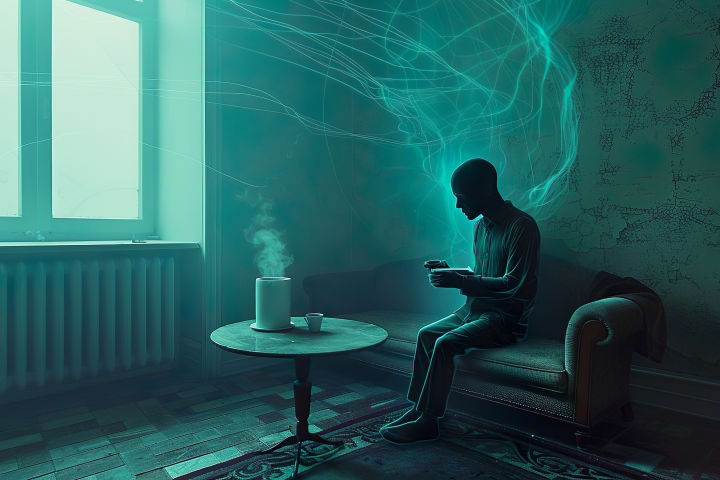
There are different types of depression, and they don’t all look the same. Some of the most common include:
Major Depressive Disorder – what most people think of when they hear “clinical depression.” It involves intense symptoms that interfere with daily life.
Persistent Depressive Disorder – a milder but long-lasting form, where someone may feel low for years at a time.
Seasonal Affective Disorder (SAD) – triggered by seasonal changes, especially during the darker winter months.
Postpartum Depression – a serious condition some women experience after giving birth.

Depressive episodes in Bipolar Disorder – though not technically depression alone, people with bipolar disorder go through phases of depression as part of their cycle.
What Causes Depression?
Depression is incredibly complex. There’s no single cause, and it often stems from a mix of biological, psychological, and environmental factors.

1. Brain Chemistry and Genetics
Some people are more vulnerable because of how their brains are wired or how their bodies regulate mood-related chemicals like serotonin and dopamine. If depression runs in your family, you may be more at risk—but that doesn’t mean it’s guaranteed.
2. Life Experiences and Trauma
Loss, heartbreak, stress, abuse—these things take a toll. Painful life events, especially those that happen in childhood, can have lasting effects that show up later in life as depression.
3. Personality and Thought Patterns
People who are naturally more anxious, self-critical, or perfectionistic may be more prone to depression. It doesn’t mean they’re doing anything wrong—it’s just part of how their minds process the world.
4. Health and Lifestyle
Chronic illnesses, sleep problems, hormonal imbalances, and even certain medications can contribute. And while it’s not always a direct cause, substance abuse often goes hand-in-hand with depression, making everything feel worse.

What Does Depression Feel Like?
Depression doesn’t always look like sadness. It can show up in ways that aren’t obvious—sometimes even to the person experiencing it.
Here are some of the common symptoms:
Losing interest in things you used to enjoy
Constant fatigue or lack of energy
Feeling hopeless, empty, or numb
Changes in appetite or weight
Trouble sleeping—or sleeping too much
Difficulty concentrating or making decisions
Irritability or unexplained anger
Physical aches and pains with no clear cause
Thoughts of self-harm or suicide
Everyone’s experience is different. Some people can still go to work, smile at friends, and meet responsibilities—what’s often called “high-functioning depression.” But that doesn’t mean they’re not struggling inside.
Why Getting Diagnosed Matters
If you think you might be dealing with depression, the most important thing you can do is reach out for help. That starts with a proper diagnosis.
A mental health professional—like a psychologist or psychiatrist—can help determine what’s going on. Sometimes, what seems like depression is linked to another health issue (like a thyroid problem), so it’s important to rule things out.
Too often, people suffer in silence because they don’t want to be seen as “weak” or “dramatic.” But depression is real. It’s not something you can will away with positive thinking. It deserves care and attention, just like any physical illness.

Treatment: What Helps?
The good news is that depression is treatable. What works best varies from person to person, but here are some of the most common—and effective—approaches:
1. Therapy
Talking with a therapist can make a huge difference. Cognitive Behavioral Therapy (CBT), in particular, helps people recognize and reframe the negative thought patterns that often fuel depression.
2. Medication
Antidepressants can help balance brain chemistry and ease symptoms. They’re not a “quick fix,” and they don’t work for everyone—but for many people, they’re a valuable part of recovery.
3. Healthy Habits
Things like regular exercise, a balanced diet, and getting enough sleep may seem basic, but they really can improve mood. Even a short walk or a consistent bedtime routine can go a long way.
4. Social Support
Being around people who care—even just one trusted person—can be incredibly healing. Isolation tends to make depression worse, so staying connected matters, even if it's hard.
5. Mindfulness and Self-Compassion
Meditation, journaling, or simply learning to treat yourself with kindness instead of judgment can shift the inner dialogue that often feeds depression.
When Depression Turns Dangerous
Sometimes depression leads to thoughts of self-harm or suicide. If that happens, please know: You are not alone. These thoughts are a symptom of the illness—not a reflection of your worth or reality.
If you or someone you know is in crisis, don’t wait. Call a mental health crisis line, reach out to someone you trust, or seek emergency care. In the U.S., you can contact the Suicide & Crisis Lifeline at 988, 24/7.
Help is available, and there is no shame in needing it.
Why Talking About It Matters
One of the biggest reasons people don’t get help is stigma. There's this lingering idea that depression means you’re weak or broken—but that couldn’t be further from the truth.
The more we talk openly about mental health, the more we normalize it. And the more we normalize it, the easier it becomes for people to reach out and get the support they need.
By sharing our stories, listening without judgment, and showing empathy, we create a world where healing is possible.
Final Thoughts: There Is Hope
If you’re struggling with depression right now, please hear this: You are not broken. You are not alone. And you won’t always feel this way.

Depression can feel overwhelming, like a tunnel with no exit—but there is light ahead. Whether it’s therapy, medication, connection, or just taking it one day at a time, recovery is possible. And you are worth the effort it takes to get there.
Keep going. Keep reaching out. And remember: even on the darkest days, hope is still real.
About the Creator
Keep reading
More stories from Yamine Chowdhury and writers in Humans and other communities.
From Passion to Partnership: How Love Has Changed Over Time
Love has always been one of the most powerful forces in the world. It’s inspired poetry, driven people to take risks, sparked revolutions, and been the heartbeat behind countless stories. But the way we understand and express love today hasn’t always been the same. In fact, our ideas about love—what it means, what it looks like, and how it fits into our lives—have been evolving for thousands of years.
By Yamine Chowdhury10 months ago in History
Whiskey At Dusk
Guess the whiskey was more important to you in the end, wasn’t it? It was more than the well-being of your friends; more vital than showing up to the places you promised you would and could come to; more critical of a matter than fulfilling your damn responsibilities and getting the press off your back.
By Snarky Lisa2 days ago in Humans
11 Silent Signals Showing How You Treat Power and Authority.
People study power through behavior. Words mislead. Actions repeat. Observers focus on patterns. Behavioral research links everyday conduct to leadership readiness. You show how you treat authority in subtle ways. Others notice without telling you. Here are eleven silent signals social scientists track.
By Wilson Igbasi4 days ago in Humans



Comments
There are no comments for this story
Be the first to respond and start the conversation.