
Understanding Angels in the Bible

Understanding Angels in the Bible
1. Nature and Role of Angels
Angels are spiritual beings created by God, often tasked with conveying messages, carrying out God's commands, and providing guidance or protection to humans.
- Biblical Description:
- Angels are often depicted as powerful beings who can influence events or offer divine intervention.
- In Psalm 103:20, they are described as "mighty ones who do His bidding, obeying His word."
2. Angels Appearing in Human Form
Throughout the Bible, there are notable instances in which angels appear to humans in forms recognizable as men:
- Abraham and the Three Visitors (Genesis 18):
In this account, Abraham encounters three men who are believed to be angels. They bring the promise of a son and foretell the destruction of Sodom and Gomorrah. This story illustrates how angels can take on human appearances to communicate God’s will.
- Lot in Sodom (Genesis 19):
Here, angels visit Lot in the form of men. They warn him of the impending destruction of Sodom and guide him and his family to safety. This emphasizes their protective role and ability to appear as humans.
- Jacob’s Wrestling with an Angel (Genesis 32:24-30):
Jacob wrestles with an angel, who is often interpreted as God or a messenger of God. This encounter highlights the angel's physical presence and the transformative experience it brings to Jacob.
3. New Testament References
The New Testament continues the theme of angels interacting with humans:
- The Annunciation (Luke 1:26-38):
The angel Gabriel appears to Mary, bringing her the news that she will conceive Jesus. This moment again demonstrates the angelic role in delivering vital messages from God.
- The Resurrection (Matthew 28:2-6):
Angels appear at the tomb of Jesus, proclaiming His resurrection to the women who arrive. Their role as messengers emphasizes their connection to significant events in salvation history.
4. Theological Interpretations
The belief about angels taking human form leads to several theological interpretations:
- Temporary Manifestation vs. Incarnation:
The temporary appearance of angels as humans is seen as different from the incarnation of Christ. Incarnation is a theological concept where Jesus, being fully God, became fully human. Angels, as created beings, do not undergo this same transformative process.
- Nature of Spiritual Beings:
The understanding of angels as spiritual beings highlights their existence as distinct from humanity. They possess free will and intelligence but do not have a physical body unless God permits them to manifest in that way temporarily.
- Purpose of Angelic Encounters:
The primary purpose of angels appearing in human form is often to communicate God's message or provide guidance. Their manifestations serve to reveal God's will and foster faith among humans.
5. Cultural and Historical Context
The interaction between angels and humans has also transcended scripture into various cultural and historical contexts:
- Folklore and Traditions:
Many cultures have developed stories or myths about angels interacting with humanity. These narratives often reflect the belief in divine intervention and the presence of good against evil.
- Art and Literature:
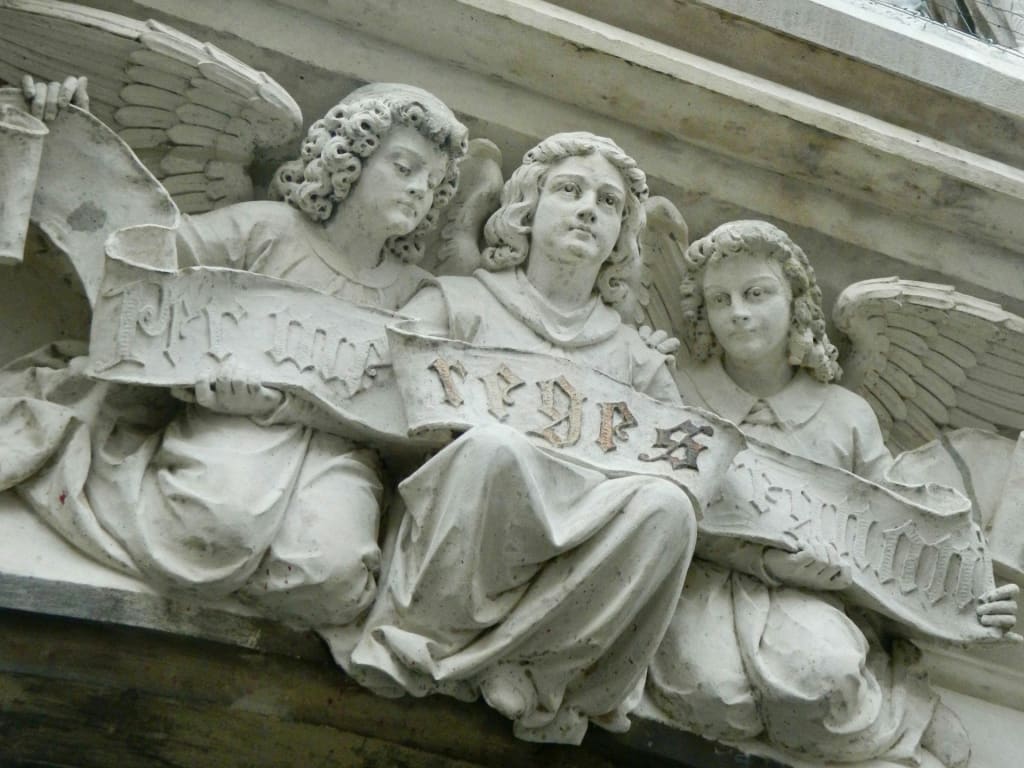
Angels have frequently been depicted in art and literature as guardians and messengers. Their appearances remind people of the spiritual realm and divine guidance in daily life.
6. Theological Reflections on Angels Today
Modern theologians continue to reflect on the role of angels in contemporary faith:
- Personal Guardian Angels:
Many believers hold the view that each person has a guardian angel assigned to them, offering protection and guidance.
- Awareness of the Spiritual Realm:
The belief in angels encourages individuals to be more aware of the spiritual experiences and influences in their lives, fostering a sense of connection to the divine.
Conclusion
In exploring whether angels incarnate as humans, it becomes clear that while they can appear in human form for particular purposes, they do not undergo a transformation akin to the Incarnation of Christ. Their role as messengers, protectors, and guides is significant in both scriptural texts and the ongoing dialogue surrounding faith and spirituality. Understanding angels enhances one's view of divine presence and intervention in the world, deepening the connection between humans and the divine.
I am a global nomad/permanent traveler, or coddiwombler, if you will, and I move from place to place about every three months. I am currently in Peru and heading to Chile in a few days and from there, who knows? I enjoy writing articles, stories, songs and poems about life, spirituality and my travels. You can find my songs linked below. Feel free to like and subscribe on any of the platforms. And if you are inspired to, tips are always appreciated, but not necessary. I just like sharing.
YouTube Top Song List.
https://www.YouTube.com/results?search_query=julia+o%27hara+top+songs
Amazon PlayList
https://www.amazon.com//music/player/artists/B0D5JP6QYN/julia-o'hara
Spotify PlayList
https://open.spotify.com/artist/2sVdGmG90X3BJVn457VxWA
You can also purchase my books here:
https://www.lulu.com /spotlight/julie-ohara
I am also a member of Buy Me A Coffee – a funding site where you can “buy me a cup of coffee”
https:www.buymeacoffee.com/JulieOHara
About the Creator
Julie O'Hara - Author, Poet and Spiritual Warrior
Thank you for reading my work. Feel free to contact me with your thoughts or if you want to chat. [email protected]
Keep reading
More stories from Julie O'Hara - Author, Poet and Spiritual Warrior and writers in Humans and other communities.
Messages From the Divine
Experiencing communication from the divine or spirit guides can be a profound and deeply personal journey. For many, this interaction can manifest in various ways, leading to unique interpretations and feelings. Below is an exploration of how individuals perceive such communication, encompassing auditory experiences, symbolic messages, and the emotional resonance of receiving guidance.
By Julie O'Hara - Author, Poet and Spiritual Warrior4 months ago in Humans
The CEO of Everything
They say "jack of all trades, master of none," but they forgot to mention the part where the jack of all trades is also the camera woman, the makeup artist, and the person currently yelling at a tangled Wii microphone cable in a her own bathroom while recording herself singing and trying to make it look realistic and professional. (As professional as you can make it with nothing but a cell phone camera and a mic that doesn't work)
By Sara Wilson7 days ago in Humans
Neptune Turns Twin Flame Love Dreamy and Disorienting.
Neptune plays a powerful role in twin flame connections. This planet rules dreams, intuition, fantasy, and spiritual longing. When Neptune touches a twin flame bond, love feels magical. You feel connected beyond words. You sense destiny. You feel unity without effort.
By Wilson Igbasi2 days ago in Humans
Affection and Healing for Yourself
During the night of the last quarter moon, I gathered my ritual supplies. I carefully handled the chunk of black tourmaline that would protect me from your overall negative and narcissistic energy. I carefully walked the house with my stick of selenite in hand, asking the universe to cleanse our working space.
By Alisha Wilkins ✒️🦋🖋️5 days ago in Fiction



Comments
There are no comments for this story
Be the first to respond and start the conversation.