
Understanding and Overcoming the Stigma of Mental Illness
Mental Illness
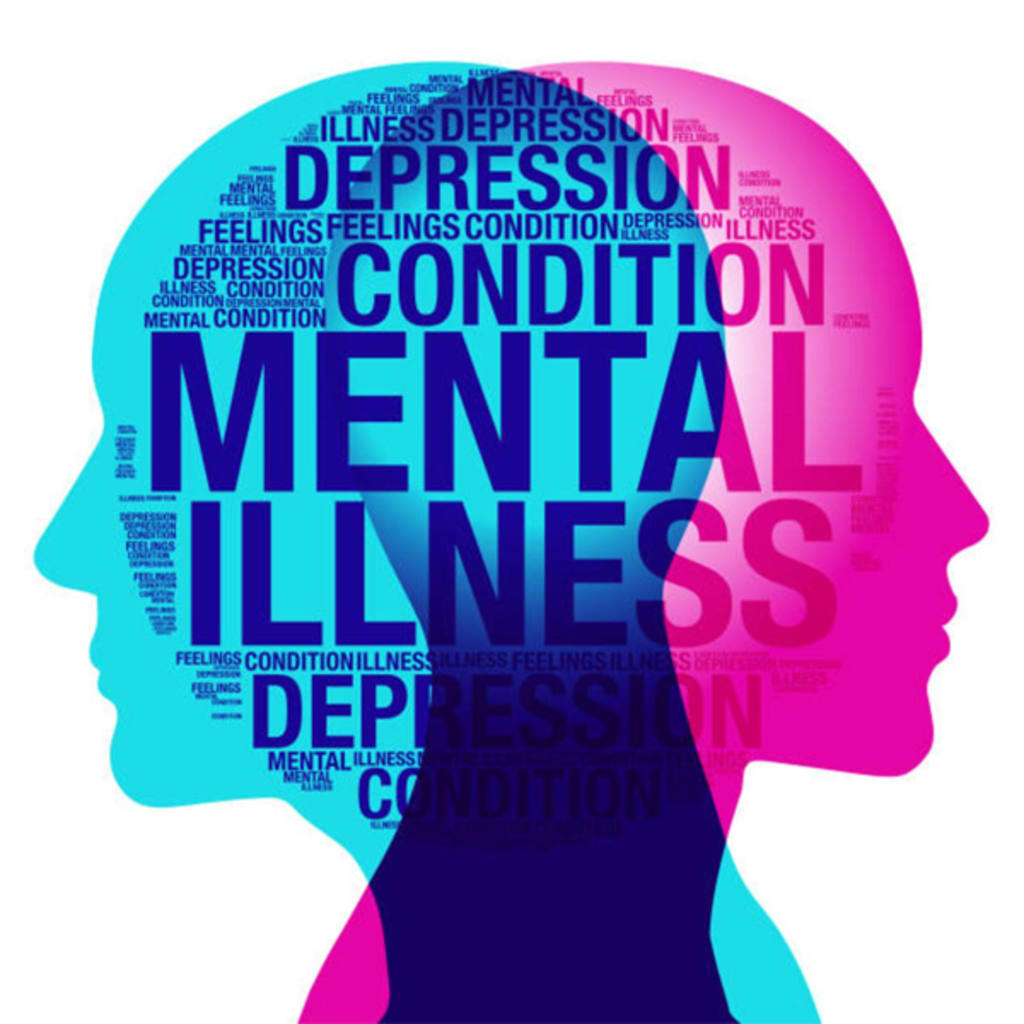
Mental illness is a complex and often misunderstood issue that affects millions of people around the world. Despite its prevalence, there is still a significant amount of stigma surrounding mental illness, making it difficult for those who suffer from it to seek help and get the treatment they need. In this article, we will explore the different types of mental illness, the impact of stigma, and how we can work to overcome it.
Mental illness is an umbrella term that encompasses a wide range of conditions that can affect a person's thoughts, feelings, and behaviors. Some of the most common forms of mental illness include depression, anxiety disorders, and schizophrenia. Depression is characterized by feelings of sadness, hopelessness, and a loss of interest in activities that were once enjoyed. Anxiety disorders, such as generalized anxiety disorder and post-traumatic stress disorder (PTSD), can cause feelings of constant worry and fear, and can make it difficult to function in everyday life. Schizophrenia is a severe mental disorder that can cause hallucinations and delusions, and can make it difficult to distinguish between reality and fantasy.
Despite the prevalence of mental illness, there is still a significant amount of stigma surrounding it. Many people who suffer from mental illness are afraid to seek help, either because they are ashamed or because they fear the reaction of others. This stigma can have a profound impact on the lives of those who suffer from mental illness, making it difficult for them to get the help they need and to live a fulfilling life.
One of the main reasons for the stigma surrounding mental illness is a lack of understanding. Many people do not understand the causes of mental illness or how it can be treated. They may believe that it is a sign of weakness or that it can be cured by willpower alone. This lack of understanding can lead to fear, judgment, and discrimination against those who suffer from mental illness.
Another reason for the stigma surrounding mental illness is the way it is portrayed in the media. The media often portrays people with mental illness as violent or dangerous, which can lead to fear and discrimination. This portrayal is not only inaccurate, but it can also make it more difficult for people with mental illness to seek help and get the treatment they need.
The good news is that mental illness is highly treatable, and there are many different types of treatment available. Some people find relief from counseling or therapy, while others may benefit from medication or other forms of medical treatment. It's important to remember that everyone's experience with mental illness is different, and that there is no one "right" way to treat it.
To overcome the stigma surrounding mental illness, it's important to educate ourselves and others about the different types of mental illness and how they can be treated. We can also work to change the way mental illness is portrayed in the media and in society. By understanding and accepting mental illness, we can create a more inclusive and supportive society for those who suffer from it.
If you or someone you know is struggling with mental illness, it's important to seek help as soon as possible. There are many resources available, including the National Alliance on Mental Illness (NAMI) and the Substance Abuse and Mental Health Services Administration (SAMHSA). With the right support and treatment, people with mental illness can lead full and productive lives.
In conclusion, mental illness is a complex and often misunderstood issue that affects millions of people around the world. Despite its prevalence, there is still a significant amount of stigma surrounding mental illness, which can make it difficult for those who suffer from it to seek help and get the treatment they need.
About the Creator
Keep reading
More stories from writers in Humans and other communities.
Whiskey At Dusk
Guess the whiskey was more important to you in the end, wasn’t it? It was more than the well-being of your friends; more vital than showing up to the places you promised you would and could come to; more critical of a matter than fulfilling your damn responsibilities and getting the press off your back.
By Snarky Lisa5 days ago in Humans
(3) Authority Without Consequence
- The Moment Authority Became Untethered - Every functioning system of governance relies on a constraint so fundamental it often goes unnoticed until it disappears: authority must be exposed to consequence. When those who make decisions experience the downstream effects of those decisions personally, power is naturally disciplined by risk. That discipline does not require virtue or foresight. It operates mechanically. Decisions that produce harm are abandoned because they injure the decision-maker, and decisions that succeed are reinforced because they reward restraint. Modern political systems did not lose this constraint through a single reform or moral collapse. They lost it gradually, through delegation, bureaucratic layering, procedural complexity, and the normalization of distance between action and outcome, until authority could be exercised without meaningful exposure to its effects.
By Peter Thwing - Host of the FST Podcast4 days ago in Humans



Comments
There are no comments for this story
Be the first to respond and start the conversation.