
Ultimate Guide on Early Signs of Tooth Decay and How to Stop It
Learn the early signs of tooth decay and effective ways to stop it. Protect your smile with preventive tips from our ultimate guide on tooth decay.

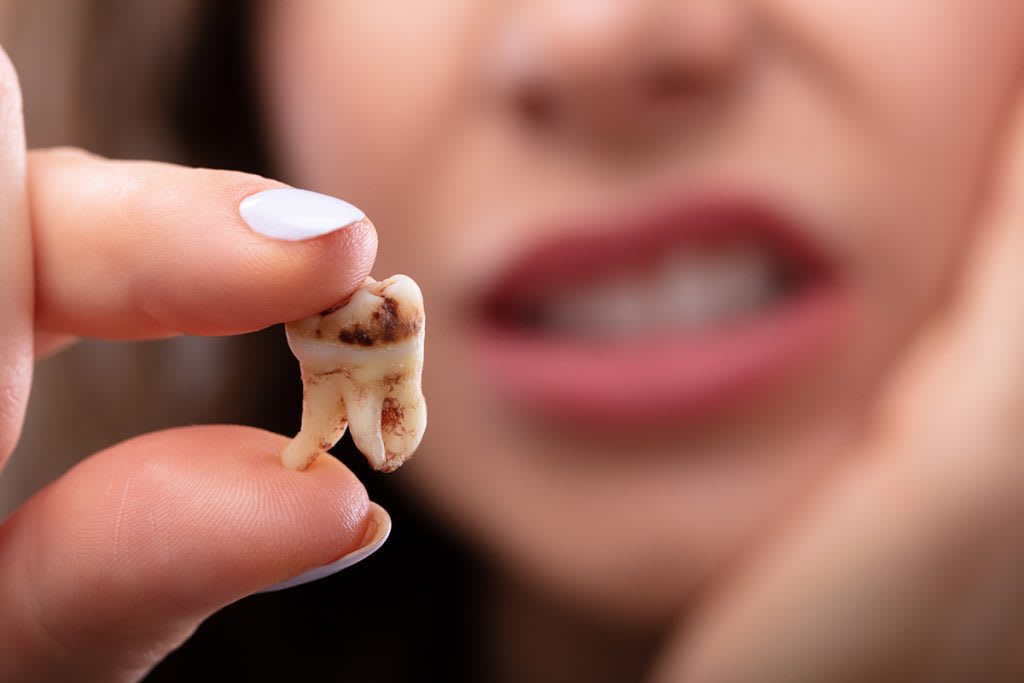
Tooth decay is an oral health issue affecting millions worldwide, including in India. While many individuals may not immediately recognize the early signs of tooth decay, failing to address it in time can lead to severe dental problems. Preventing tooth decay and identifying its early symptoms is essential for maintaining optimal oral health.
This article serves as an ultimate guide to the early signs of tooth decay and offers actionable strategies to stop its progression. We will delve into the causes, symptoms, and preventive measures that can help protect your teeth from decay. Throughout this guide, we will emphasize how critical early intervention is in preventing long-term damage.
Understanding Tooth Decay: A Common Issue
Tooth decay, also known as dental caries, is one of the most common oral health problems globally. It occurs when the hard outer layer of your teeth, known as enamel, is gradually worn down by acids created by bacteria in the mouth. These acids are generated when the bacteria feed on sugars and carbohydrates left on the teeth after eating.
Once the enamel weakens, cavities can form, and if left untreated, decay can penetrate deeper into the tooth, leading to pain, infection, and, in extreme cases, tooth loss. In India, dental health awareness has been improving, but many individuals still fail to seek timely care due to a lack of knowledge or access to professional services.
What Causes Tooth Decay?
Several factors contribute to tooth decay, with the most significant being:
- Poor Oral Hygiene: Failure to brush and floss on a regular basis causes plaque to accumulate on the teeth, producing an environment in which harmful bacteria thrive.
- Sugary and Starchy Foods: Consuming foods and drinks high in sugar and starch can accelerate tooth decay, as these substances feed the bacteria that produce acid.
- Infrequent Dental Visits: Avoiding routine check-ups with a dentist can allow small cavities or early signs of decay to go unnoticed and untreated.
- Dry Mouth: Saliva neutralizes acids and removes food particles. Dry mouth, or a lack of saliva production, could raise the risk of tooth decay.
- Fluoride Deficiency: Fluoride strengthens tooth enamel and helps prevent decay. People who do not get enough fluoride, either through toothpaste or drinking water, are at a higher risk of developing cavities.
Early Signs of Tooth Decay
Detecting tooth decay early is critical for preventing it from worsening. Here are the most common early signs to watch out for:
1. Tooth Sensitivity
One of the first indicators of tooth decay is sensitivity to hot, cold, or sweet foods and beverages. This sensitivity occurs because the enamel is starting to erode, exposing the underlying dentin layer, which includes tiny tubules that lead to the nerve endings.
2. Discoloration
White spots on the teeth can indicate the early stages of enamel demineralization. As the decay progresses, these spots may turn brown or black.
3. Bad Breath
Constant bad breath, or halitosis, is another sign that bacteria are accumulating in the mouth and producing sulfur compounds. These bacteria are often found in areas where tooth decay is forming.
4. Visible Pits or Holes
If you notice small pits or holes on the surface of your teeth, it may be a sign that the enamel has already been compromised by decay. These cavities can deepen over time if left untreated.
5. Toothache or Mild Pain
An occasional toothache or mild pain when biting down could be a sign of early tooth decay. This occurs when the decay has reached the dentin layer of the tooth.
6. Chalky Appearance
Teeth with a chalky, dull appearance, especially around the gumline, may be experiencing enamel erosion caused by decay.
The Importance of Early Detection
Detecting tooth decay in its early stages is essential to prevent more extensive dental treatments. Regular dental check-ups can help identify decay before it becomes a significant problem. If detected early, a dentist can intervene with simple treatments like fluoride application or dental sealants, which protect the enamel from further damage.
How to Stop Tooth Decay
If you've identified the early signs of tooth decay, there are several steps you could take to stop its progression. Below are some of the most effective methods:
1. Improve Oral Hygiene
Maintaining proper oral hygiene is the most critical step in preventing and stopping tooth decay. Brushing your teeth twice a day with fluoride toothpaste helps remove plaque and strengthen enamel. Also, don't forget to floss daily to clean between the teeth, where toothbrushes can’t reach.
2. Limit Sugary and Starchy Foods
Cut back on sugary foods and drinks and starchy items like bread and pasta, which can break down into sugars that fuel decay-causing bacteria. Even if you consume these foods, rinse your mouth with water afterward and brush your teeth within 30 minutes.
3. Use Fluoride
Fluoride is your teeth’s best defense against decay. In addition to using fluoride toothpaste, consider drinking tap water if it contains fluoride, or ask your dentist about fluoride treatments, especially if you are at higher risk for cavities.
4. Chew Sugar-Free Gum
Sugar-free gum, particularly those containing xylitol, helps stimulate saliva production, which neutralizes acid and aids in remineralizing enamel.
5. Get Dental Sealants
Dental sealants are thin coatings placed on the chewing surfaces of back teeth to prevent decay. This therapy is very effective for children and people who are prone to cavities.
6. Treat Dry Mouth
If you suffer from dry mouth, talk to your dentist about potential solutions, such as using a mouth rinse designed to combat dry mouth, drinking plenty of water, or using a humidifier at night.
7. Regular Dental Check-Ups
Routine dental evaluations and cleanings are necessary for preventing tooth decay. Dentists can remove plaque and tartar that you might not notice during your everyday brushing practice. They can also monitor your dental health for early symptoms of deterioration, allowing for timely treatment.
8. Use Antibacterial Mouthwash
Mouthwashes containing antibacterial ingredients can help reduce the amount of harmful bacteria in your mouth, decreasing the likelihood of decay.
The Role of Diet in Preventing Tooth Decay
What you eat plays an important role in your oral health. A balanced diet of minerals and vitamins helps keep your teeth strong and healthy. Here’s how to make your diet work in your favor:
1. Increase Calcium Intake
Calcium is essential for maintaining strong teeth. Include calcium-rich foods like leafy greens, fortified plant-based milk, and dairy products in your diet.
2. Eat Crunchy Fruits and Vegetables
Vegetables and crunchy fruits, such as carrots and apples, help clean your teeth as you eat them. Their fibrous texture promotes saliva production, which helps wash away food particles and neutralizes acids.
3. Limit Acidic Foods and Drinks
While fruits are part of a healthy diet, some, like citrus fruits, are highly acidic and can erode enamel over time. Rinse your mouth with water after consuming acidic foods to minimize their harmful effects.
4. Drink Plenty of Water
Water, especially fluoridated water, is crucial for keeping your mouth hydrated and washing away food particles that can contribute to decay. Drinking water also helps neutralize acids in the mouth.
Dental Treatments for Stopping Tooth Decay
If early intervention is not enough, various dental treatments can address and halt the progression of tooth decay. These treatments vary from minimally invasive procedures to more comprehensive restorations.
1. Fluoride Treatments
Fluoride can reverse tooth decay in its early stages by helping to remineralize weakened enamel. Dentists often apply concentrated fluoride gel, foam, or varnish directly to the teeth.
2. Dental Fillings
If decay has progressed to form a cavity, a dental filling may be necessary. The dentist will remove the decayed material and fill the cavity with a composite resin or other material to restore the tooth’s function.
3. Dental Crowns
A crown may be necessary for severe decay that has damaged most of the tooth. Crowns are custom-made caps that cover damaged teeth, preventing additional decay and restoring their beauty.
4. Root Canal Treatment
If decay reaches the tooth's inner pulp and causes infection, a root canal may be required. The dentist removes the diseased pulp during this surgery and seals the tooth to avoid more harm.
5. Tooth Extraction
In extreme cases where decay has destroyed the tooth beyond repair, extraction may be required. Once the tooth is removed, options such as bridges or dental implants can replace the missing tooth to restore functionality.
How to Prevent Tooth Decay: Long-Term Habits
Prevention is always better than cure. Establishing long-term habits that protect your oral health can go a long way in preventing tooth decay.
1. Brush and Floss Regularly
Commit to brushing twice a day and flossing daily. Ensure you use a fluoride toothpaste and a soft-bristled toothbrush to clean your teeth without causing damage to the enamel.
2. Eat a Balanced Diet
Prioritize a balanced diet that supports dental health. Foods rich in calcium, fiber, and antioxidants can strengthen your teeth and gums.
3. Stay Hydrated
Drinking enough water throughout the day promotes saliva production, which is necessary for maintaining oral health.
4. Avoid Frequent Snacking
Frequent snacking, especially on sugary and starchy foods, provides constant fuel for bacteria in your mouth. Limit snacks to prevent constant acid attacks on your enamel.
5. Visit Your Dentist Regularly
Regular dental check-ups are your best defense against tooth decay. Early detection and professional cleanings can prevent small issues from becoming big problems.
Conclusion
Tooth decay is preventable and manageable when caught early. By recognizing the early signs, such as sensitivity, discoloration, and bad breath, and taking immediate action, you can stop decay in its tracks. Good oral hygiene, regular visits to the dentist, and informed dietary choices are crucial steps in preserving dental health.
If you are looking for an expert dentist in Manish Nagar for regular dental checkups and professional advice, look no further than Salankar Dental Clinic.
About the Creator
Salankar Dental and Implant Clinic
Advanced dental care and personalized treatments for healthy, confident smiles in Nagpur.
101, Shrika Plaza, Besa Rd, beside Rakshak Mart, opposite Kachore Lawn Road, Manish Nagar, Somalwada, Nagpur, Maharashtra 440015
Mob.9270664776
Keep reading
More stories from writers in Humans and other communities.
Autonomy Is The Real Privilege
Good morning, freedom-seekers! Today we’re gonna be looking at autonomy. A strange word, I know; one many would probably look at blankly and run away from on sight. We’re gonna figure out what it actually means, consider how it’s achieved, and decipher just how deeply most of us are tangled up in dependence without realising it.
By That ‘Freedom’ Guy6 days ago in Humans




Comments
There are no comments for this story
Be the first to respond and start the conversation.