
U.S. Aircraft Aid Pakistan’s Flood Victims
How American aircraft brought life-saving relief to stranded families during Pakistan’s devastating floods.

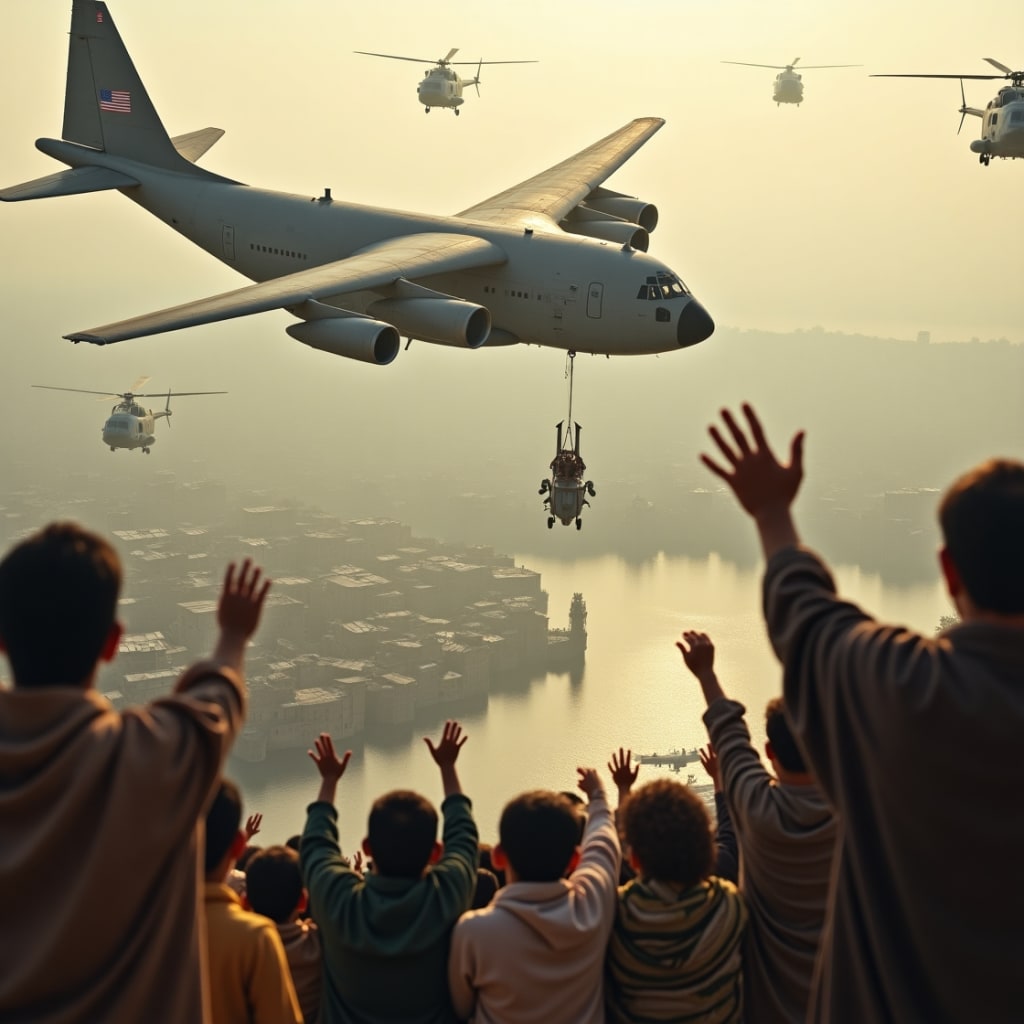
Wings of Hope: U.S. Aircraft Aid Pakistan’s Flood Victims
A Lifeline in Crisis
When disaster strikes, the quickest help often comes from beyond borders. Pakistan’s recent floods were among the worst in its history—millions were displaced, villages wiped away, farmland destroyed, and critical infrastructure swept aside. In this desperate situation, the United States extended a helping hand by sending aircraft and logistical support for relief operations. This timely intervention not only saved lives but also highlighted the strength of international solidarity in moments of tragedy.
The Scale of the Floods
Every monsoon brings challenges to Pakistan, but the intensity of this flood was overwhelming. Torrential rains and overflowing rivers submerged vast stretches of Sindh, Balochistan, Khyber Pakhtunkhwa, and southern Punjab. Entire communities were cut off as bridges collapsed and roads vanished under water. Families lost homes, farmers their livelihoods, and countless children were left without schools.
Beyond the destruction, health risks surged. Stagnant waters became breeding grounds for malaria, dengue, and cholera. In such conditions, timely delivery of food, clean drinking water, medical supplies, and temporary shelter became a matter of survival.
U.S. Aircraft: A Game-Changer in Relief
Recognizing the urgency, the U.S. provided cargo planes and helicopters to Pakistan’s relief effort. In disasters, aircraft have a unique advantage—where roads fail, air routes remain open. Helicopters flew into remote villages cut off by water, delivering food packets, tents, and medical kits. Cargo planes transported tons of supplies to makeshift distribution hubs across the country.
In addition, helicopters airlifted stranded families from rooftops and flooded fields to safer ground. For many survivors, the sound of rotor blades above was not just noise—it was the sound of hope.
The U.S. military, with its experience in global humanitarian operations, worked closely with local authorities and NGOs to coordinate missions. Their support ensured that aid reached the most vulnerable communities quickly.
Beyond Logistics: A Message of Friendship
America’s assistance was more than material help—it was a symbol of solidarity. It carried a simple but powerful message: when one nation suffers, others must step forward.
This was not the first time the U.S. extended such support. From earthquakes to previous floods, American aid has often reached Pakistan in times of distress. Likewise, Pakistan has long contributed peacekeepers and humanitarian workers abroad. This mutual support reflects values of compassion that transcend politics and borders.
Impact on the Ground
Thanks to U.S. aircraft, relief operations gained speed and reach. Villages in Sindh and Balochistan that had been cut off for days finally received aid. Medical teams were flown into crowded camps where outbreaks of waterborne diseases threatened lives. Tons of supplies were distributed to families who had lost everything.
Survivors still recall how food, medicine, and clean water reached them just in time—delivered by aircraft that crossed mountains and floodplains where trucks could not go. For many, that help meant the difference between life and death.
Strengthening Bilateral Relations
While the relief was primarily humanitarian, it also had diplomatic significance. At a time when Pakistan faced overwhelming hardship, American assistance reinforced the idea that human lives must come before politics.
This goodwill strengthened trust between the two nations and opened space for deeper collaboration on disaster management, climate change adaptation, and humanitarian programs. Given Pakistan’s high vulnerability to climate-related disasters, such partnerships are increasingly vital.
Lessons for the Future
The floods served as a reminder that while international aid is critical in emergencies, long-term resilience must also be built. Pakistan needs stronger early warning systems, improved infrastructure, and training for disaster preparedness. International partners, including the U.S., can play a key role in sharing expertise and technology to reduce the impact of future disasters.
Most importantly, global action on climate change is essential. Pakistan’s floods are part of a larger pattern of extreme weather events that are growing more frequent worldwide.
Human Stories of Survival
Behind the statistics are countless human stories. In Sindh, a group of schoolchildren was rescued by a U.S. helicopter after being stranded for days. In Balochistan, aircraft delivered medicine to a camp where disease was spreading rapidly, saving dozens of lives. Such moments carried profound meaning for survivors—they were a reminder that the world had not abandoned them.
Conclusion
The U.S. decision to send aircraft during Pakistan’s floods was more than just an operational move—it was an act of humanity. These planes and helicopters not only carried food and medicine but also carried hope, compassion, and a reminder that nations are strongest when they stand together.
As Pakistan rebuilds, the memory of this assistance will endure as a symbol of friendship and solidarity. The floods may have destroyed homes and livelihoods, but they also revealed something enduring: that in times of crisis, humanity knows no borders.
About the Creator
Wings of Time
I'm Wings of Time—a storyteller from Swat, Pakistan. I write immersive, researched tales of war, aviation, and history that bring the past roaring back to life
Keep reading
More stories from Wings of Time and writers in Humans and other communities.



Comments
There are no comments for this story
Be the first to respond and start the conversation.