
Trigeminal Neuralgia: Trigeminal Nerve
Trigeminal Neuralgia (TN)
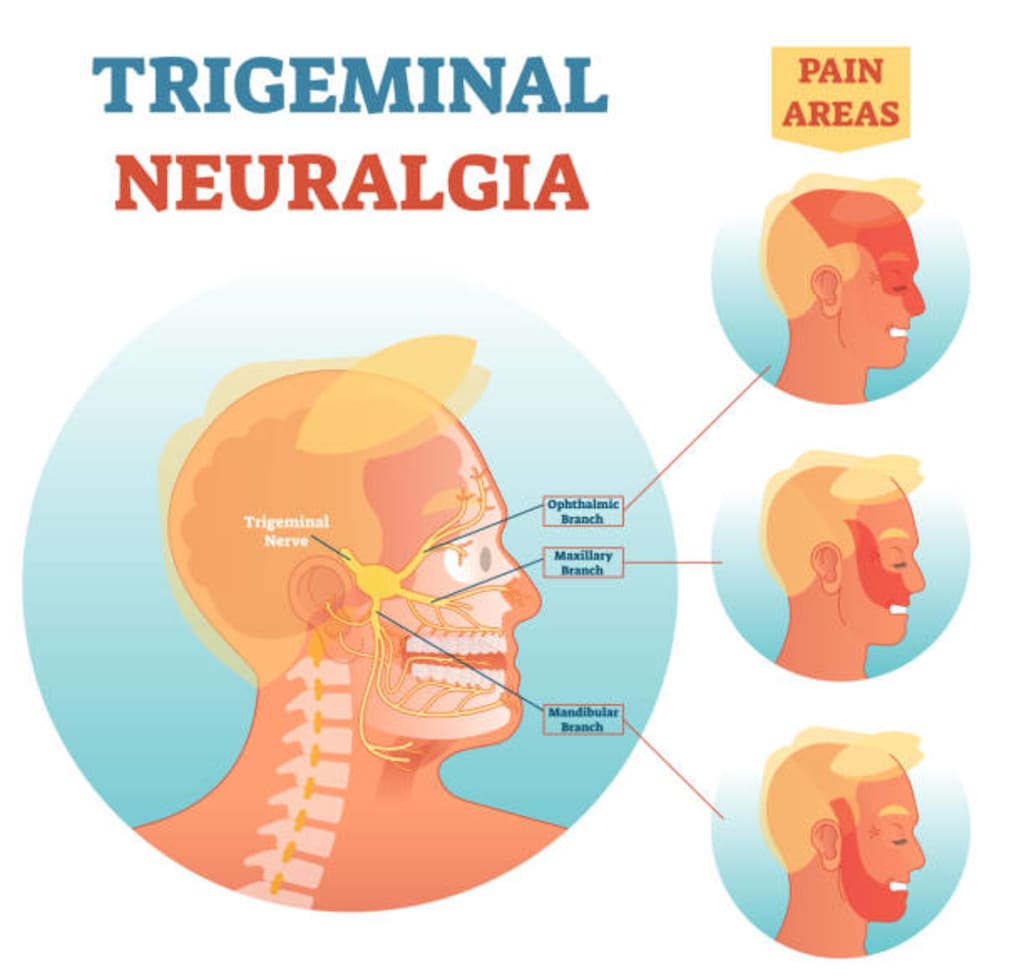
Trigeminal Neuralgia (TN) is a chronic pain condition that affects the trigeminal nerve, which is responsible for sensation in the face. It is characterized by severe, sudden, and intermittent episodes of facial pain that can last for seconds to minutes. The pain is usually felt on one side of the face, and it can be triggered by common activities such as eating, speaking, or even a light breeze. TN is also known as the "suicide disease" because of the severe nature of the pain and the impact it can have on a person's quality of life. The condition is rare, but it is estimated to affect about 1 in 15,000 people. TN is typically diagnosed in people over the age of 50, but it can also occur in younger people. The pain caused by TN can be debilitating and can significantly impact a person's quality of life.
Symptoms of Trigeminal Neuralgia
The most common symptom of Trigeminal Neuralgia (TN) is severe facial pain. The pain is often described as sharp, shooting or lancinating, and it can occur on one side of the face. The pain can be intense and debilitating, often described as similar to an electric shock. The pain may be accompanied by other symptoms such as sweating, tearing, or drooping of the face on the affected side.
Common triggers for the pain include eating, speaking, brushing teeth, or even a light breeze. Certain facial movements or expressions, such as smiling or speaking, can also trigger pain. In some cases, pain may be spontaneous and not associated with any specific trigger. The triggers may vary from person to person, and may change over time. Other symptoms may include a burning sensation, a feeling of tightness in the face, or a loss of sensation in the affected area. Symptoms may vary in intensity and duration, and may come and go over time.
Causes of Trigeminal Neuralgia
The exact cause of Trigeminal Neuralgia (TN) is not fully understood, but it is believed to be caused by compression of the trigeminal nerve. This compression can be caused by a number of factors, including:
1. Vascular compression: The trigeminal nerve can be compressed by a blood vessel, such as an artery or vein. This can occur in the area where the nerve exits the brainstem and enters the skull.
2. Tumors: A tumor, such as a meningioma or acoustic neuroma, can press on the trigeminal nerve and cause TN.
3. Multiple Sclerosis (MS): MS is a chronic autoimmune disorder that affects the central nervous system and can cause the myelin sheath that surrounds the nerve fibers to deteriorate. This can lead to inflammation and irritation of the trigeminal nerve, causing TN.
4. Brainstem injury: Trauma or injury to the brainstem can damage the trigeminal nerve and cause TN.
5. Idiopathic: In some cases, the cause of TN is unknown and is considered idiopathic.
It's important to note that the underlying cause of Trigeminal Neuralgia may not always be found. In many cases, the pain is caused by a combination of factors, and the specific cause may be difficult to determine.
Diagnosis of Trigeminal Neuralgia
Despite its severe symptoms, TN is often misdiagnosed or overlooked, which can delay treatment and prolong the suffering of those affected. It is crucial for patients to understand the process of diagnosis and what to expect when seeking medical attention for TN.
The diagnosis of TN typically begins with a physical examination and review of the patient's medical history. The doctor will ask about the patient's symptoms, including the location and duration of the pain, as well as any triggers. A facial nerve reflex test may also be performed. This test involves lightly tapping the patient's cheek and observing the patient's facial reaction. In a healthy individual, there should be a reflex contraction of the muscles in the cheek, however, in a patient with TN, there may be no reaction or a decreased reaction.
Imaging tests such as an MRI or CT scan can also be performed to help determine if there is a blood vessel or tumor compressing the nerve. These tests can also rule out other possible causes of facial pain, such as tumors or other neurological conditions. In addition, the doctor may also perform a neurological examination, including checking the patient's vision, hearing, and balance. He may also test the patient's reflexes, coordination and muscle strength.
In addition, the doctor may also perform a neurological examination, including checking the patient's vision, hearing, and balance. He may also test the patient's reflexes, coordination and muscle strength.
Differential diagnosis is also important in order to rule out other conditions that can cause similar symptoms, such as atypical facial pain or temporomandibular joint disorder (TMJ). The doctor may also ask about other medical conditions that the patient may have and any medications the patient is currently taking.
This is important as some medications can cause side effects that mimic TN symptoms.A proper diagnosis is important because Trigeminal Neuralgia can have a significant impact on quality of life. It is important for patients to work with their healthcare provider to find the best treatment plan for each individual case.
It is important to note that TN can be difficult to diagnose, as the symptoms can be similar to other conditions and there is no specific test to confirm the diagnosis. Therefore, a proper diagnosis may require multiple visits to a healthcare provider and a combination of tests.
It is important for patients to work with their healthcare provider to find the best treatment plan for each individual case. A proper diagnosis is essential as the treatment options and outcomes can vary depending on the underlying cause of the TN.
In conclusion, Trigeminal Neuralgia can be a debilitating condition that greatly impacts a person's quality of life. It is important for patients to understand the process of diagnosis and what to expect when seeking medical attention for TN. A proper diagnosis is essential as the treatment options and outcomes can vary depending on the underlying cause of the TN. It is crucial for patients to work with their healthcare provider to find the best treatment plan for each individual case.



Comments
There are no comments for this story
Be the first to respond and start the conversation.