
Top Strategies Used in ADHD Counselling for Better Focus
Top Strategies Used in ADHD Counselling for Better Focus

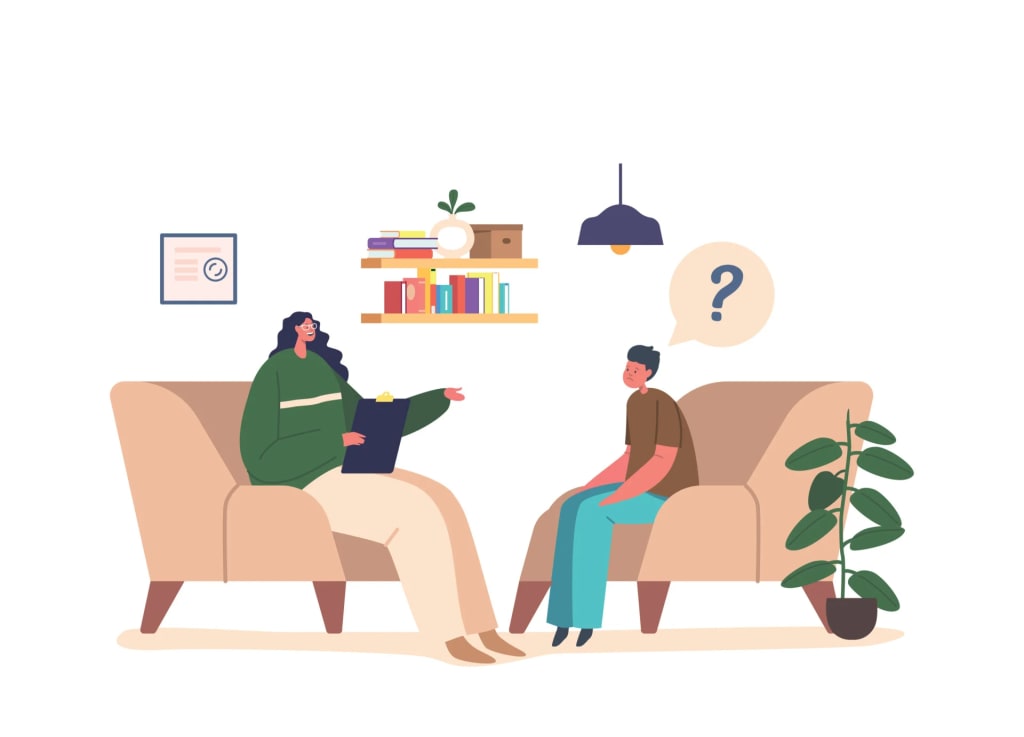
ADHD counselling uses proven methods to help people focus better. Therapists teach cognitive behavioral therapy to change negative thinking patterns. They use mindfulness to build present-moment awareness. Executive function coaching helps with organization and planning. Counselors also make environmental changes and teach stress management. These methods work together to help people with ADHD develop lasting coping skills and improve their ability to concentrate.
Getting Started with ADHD Counselling
Living with ADHD can feel like tuning a broken radio. The signal is there, but staying focused takes work. For millions of people with ADHD, counselling offers real hope. It provides clear paths to work with your brain instead of fighting it.
ADHD counselling has changed a lot in recent years. Therapists now use many different approaches. They focus on each person's unique needs. Today's mental health experts know that ADHD affects everyone differently. That's why they create personalized treatment plans.
Understanding ADHD and Focus Problems
Effective ADHD counselling starts with understanding how attention challenges affect daily life. Modern counselling for ADHD recognizes that every person experiences symptoms differently. The best therapists create personalized treatment plans that work with each individual's unique brain patterns.
How ADHD Affects the Brain
ADHD is a real brain condition. It affects about 6 million children and many adults in America. The brain works differently in people with ADHD. The front part of the brain controls attention and focus. This area doesn't work the same way in ADHD brains.
This brain difference makes focusing hard. It's not about being lazy or not trying. The brain simply processes information differently. Understanding this helps counselors create better treatment plans. They work with the brain's natural patterns instead of against them.
Daily Life with ADHD
ADHD affects many parts of daily life. Students struggle to finish homework or pay attention in class. Workers have trouble meeting deadlines or staying organized. The symptoms create problems beyond just attention issues.
Relationships also suffer when ADHD goes untreated. Family members might think the person doesn't care. Friends might feel ignored or forgotten. The person with ADHD feels frustrated too. They want to pay attention but find it very difficult.
How Good ADHD Counselling Works
Professional ADHD therapy strategies focus on building strengths while addressing challenges. The most effective counselling for ADHD uses evidence-based methods that are proven to work. These approaches help people develop practical skills they can use in real-world situations.
Personal Treatment Plans
Every person with ADHD is different. Good counselors know this important fact. They don't use the same approach for everyone. Instead, they create personal treatment plans. These plans fit each person's specific needs and goals.
The counselor and client work together as a team. They make decisions together about treatment. This teamwork helps people feel more involved in their care. It also makes treatment more effective.
Building on Strengths
Modern ADHD counselling focuses on strengths, not just problems. Many people with ADHD have special talents. They might be very creative or great problem solvers. Some can focus intensely on things they enjoy.
Counselors help people discover and use these strengths. This approach builds confidence and motivation. People feel better about themselves when they recognize their abilities. This positive feeling helps them work on challenging areas too.
Related: How ADHD Counselling Can Transform Your Life Today
Cognitive Behavioral Therapy Methods
CBT for ADHD is one of the most researched and effective treatment approaches available. This type of ADHD therapy strategies helps people understand the connection between thoughts, feelings, and behaviors. CBT for ADHD teaches practical skills that people can use every day to improve their focus and attention.
Changing Negative Thoughts
Cognitive Behavioral Therapy (CBT) is very helpful for ADHD. It teaches people to notice their thoughts and feelings. Many people with ADHD develop negative thinking patterns. They might think "I always mess up" or "I'm stupid."
CBT helps people challenge these harmful thoughts. Counselors teach clients to look for proof of negative beliefs. They learn to create more balanced and realistic thoughts. This change in thinking leads to better feelings and behaviors.
Setting and Reaching Goals
CBT also helps with goal setting and planning. People with ADHD often struggle with big tasks. They feel overwhelmed and don't know where to start. Counselors teach them to break large tasks into smaller pieces.
They also learn to set SMART goals. These are Specific, Measurable, Achievable, Relevant, and Time-bound goals. Small, clear goals are easier to complete. Success with small goals builds confidence for bigger challenges.
Building Better Focus Habits
CBT teaches specific skills for better focus. People learn to recognize when their mind wanders. They practice bringing attention back to the task. This skill takes time to develop but gets easier with practice.
Counselors also help people identify their best focus times. Some people focus better in the morning. Others work best in the afternoon. Learning personal patterns helps with planning and productivity.
Mindfulness and Meditation Training
Mindfulness practices have become important focus improvement techniques in modern ADHD counselling. These methods teach people to stay present and aware of their thoughts and feelings. Research shows that regular mindfulness practices can significantly improve attention and reduce ADHD symptoms over time.
Learning Present-Moment Awareness
Mindfulness is a powerful tool for ADHD. It teaches people to notice the present moment. The ADHD mind often jumps from thought to thought. Mindfulness helps slow down this mental jumping.
Research shows mindfulness can improve attention and reduce stress. For people with ADHD, it offers a natural way to strengthen focus. Regular practice builds the brain's ability to stay present.
Breathing Exercises for Focus
Simple breathing exercises can help refocus scattered attention. Box breathing is one useful technique. You breathe in for four counts, hold for four, breathe out for four, and hold for four. This pattern calms the mind and body.
These breathing tools work quickly when focus is lost. They're especially helpful during stressful situations. With practice, people can use these techniques anywhere they need them.
Moving Meditation Options
Many people with ADHD find sitting meditation difficult. Moving meditation can work better for them. Walking meditation combines mindfulness with movement. Gentle yoga and tai chi are other good options.
These practices honor the ADHD brain's need for movement. They provide the benefits of meditation in a more comfortable way. People can choose the type that works best for them.
Executive Function Coaching
Executive function coaching is a specialized form of ADHD counselling that targets organizational skills. This approach helps people develop systems for managing time, tasks, and daily responsibilities. Many people find that executive function coaching provides the practical tools they need to succeed at work and school.
Time Management Skills
Executive function coaching helps with organization and planning. Time management is often very hard for people with ADHD. They struggle to estimate how long tasks will take. They also have trouble sensing the passage of time.
Counselors teach practical time management tools. These include using timers, calendars, and reminder systems. External tools help make up for internal timing difficulties. People learn to use these tools effectively in daily life.
Organization Systems
Traditional organization methods often don't work for ADHD brains. People with ADHD need systems that fit their thinking style. Visual organization can work better than written lists. Digital tools might be more helpful than paper systems.
Counselors help people find their personal organization style. They experiment with different systems until they find what works. The best system is one that the person will actually use consistently.
Memory Support Strategies
Working memory problems make daily tasks harder. People might forget instructions or lose track of multi-step tasks. Counselors teach memory support strategies to help with these challenges.
External memory aids are very helpful. These include written reminders, phone apps, and visual cues. Breaking information into smaller chunks also helps. Regular practice with these strategies builds confidence and skill.
Behavior Changes and Environment Setup
Environmental modifications are key focus improvement techniques used in professional ADHD therapy strategies. The right environment can make a huge difference in attention and productivity. Counselling for ADHD often includes helping people create spaces that support their unique needs and working style.
Creating Focus-Friendly Spaces
The environment plays a big role in attention and focus. Counselors help people design spaces that support concentration. This might mean reducing visual distractions or controlling noise levels.
Good lighting and comfortable seating also matter. Some people need background noise to focus. Others need complete quiet. The key is finding what works for each individual person.
Building Helpful Routines
Consistent routines provide structure for the ADHD brain. However, routines need to be flexible enough to work long-term. Rigid schedules often fail because they don't account for ADHD variability.
Counselors help people create sustainable routines. These include built-in flexibility for bad days. The routine provides structure while allowing for natural ups and downs.
Motivation and Reward Systems
The ADHD brain often needs extra motivation to complete tasks. Boring or difficult tasks are especially challenging. Reward systems can help provide the motivation needed.
Counselors work with people to design personal reward systems. These rewards should be meaningful and immediate. The system should also build internal motivation over time.
Stress Management and Emotional Control
Stress management is a crucial part of comprehensive ADHD counselling programs. People with ADHD often experience unique types of stress that can make symptoms worse. Learning effective stress management techniques helps maintain better focus and emotional balance throughout the day.
Recognizing ADHD Stressors
People with ADHD face unique types of stress. Time pressure can be especially difficult. Rejection sensitivity is another common challenge. Sensory overload can also cause stress and reduce focus.
Counselors help people identify their personal stress triggers. Early recognition allows for quick intervention. This prevents stress from building up and making ADHD symptoms worse.
Quick Coping Strategies
When overwhelm happens, people need fast-acting coping strategies. Grounding techniques can help quickly. Physical movement often works well for ADHD brains. Brief mindfulness exercises are another good option.
The key is having a toolkit of strategies ready to use. People practice these tools when they're calm. This makes them easier to remember and use during stressful times.
Communication and Social Skills
Social skills training is an important component of many ADHD therapy strategies. ADHD symptoms can create challenges in relationships and social situations. Professional counselling for ADHD helps people develop better communication skills and build stronger relationships with others.
Improving Relationships
ADHD symptoms can hurt relationships with others. People might seem like they're not listening. They might interrupt or forget important things. These behaviors can damage friendships and family relationships.
Communication skills training helps address these challenges. People learn active listening techniques. They practice managing impulsivity during conversations. These skills help maintain better relationships.
Self-Advocacy Skills
Learning to ask for help and accommodations is important. People with ADHD need to communicate their needs clearly. This is especially important at school and work.
Counselors help people develop self-advocacy skills. They learn what accommodations are available. They practice asking for help in professional ways. This reduces stress and creates better environments for success.
Working with Families
Family involvement can greatly improve the success of ADHD counselling programs. When family members understand ADHD and learn supportive strategies, the home environment becomes more helpful. Many counselling for ADHD programs include family education and support as part of comprehensive treatment.
Educating Family Members
ADHD affects the whole family, not just one person. Family members need to understand ADHD to be supportive. They learn the difference between ADHD symptoms and intentional behavior.
Family education helps reduce conflict and frustration. When everyone understands ADHD, they can work together better. This creates a more supportive home environment.
Family Treatment Planning
Including family members in treatment planning improves outcomes. Family members can help support and reinforce therapeutic strategies. They also provide feedback about what's working at home.
Regular family meetings help maintain progress. Everyone stays on the same page about goals and strategies. This teamwork approach makes treatment more effective.
Using Technology for ADHD Management
Technology integration has become one of the most effective focus improvement techniques in modern practice. Digital tools can provide structure and reminders that support ADHD management throughout the day. The key is learning to use technology as a helpful tool rather than a distraction.
Helpful Digital Tools
Technology can be a great support for ADHD management. Apps can provide reminders and structure. Digital calendars help with time management. Focus apps can reduce distractions during work time.
Counselors help people choose the right technology tools. They teach effective ways to use these tools. The goal is to make technology helpful, not overwhelming.
Healthy Screen Time Habits
While technology can help, too much screen time can hurt focus. Social media and games can be especially distracting for ADHD brains. People need to create healthy boundaries with technology.
Counselors teach digital wellness strategies. These include setting time limits and creating device-free zones. Balanced technology use supports rather than hurts attention and focus.
Tips for Tracking Progress
Regular progress monitoring is essential for successful ADHD counselling outcomes. Tracking improvements helps both clients and therapists understand which strategies are working best. This information guides treatment decisions and helps maintain motivation throughout the counselling process.
Measuring Improvement
Good ADHD counselling includes regular progress checks. Counselors use objective measures to track improvement. This might include attention tests or behavior rating scales. Progress tracking helps ensure treatment is working.
People also track their own progress through self-monitoring. They might rate their daily focus or mood. This information helps guide treatment decisions and keeps people motivated.
Adjusting Strategies When Needed
ADHD treatment is not one-size-fits-all. Strategies that work at first might need changes later. Life circumstances change, and treatment needs to adapt too.
Counselors regularly review and adjust treatment plans. They ask what's working and what isn't. This flexibility ensures that treatment stays effective over time.
Key Tips for ADHD Counselling Success
- Work with a counselor who understands ADHD specifically
- Be patient with yourself as you learn new strategies
- Practice new skills regularly, even when they feel awkward
- Communicate openly with your counselor about what works
- Include family members in your treatment when possible
- Use technology tools that actually help your daily life
- Track your progress to stay motivated and informed
- Remember that setbacks are normal parts of the process
- Focus on your strengths while working on challenges
- Celebrate small victories along the way
Conclusion
ADHD counselling offers real hope for people struggling with focus and attention. The strategies covered in this article work together to create lasting change. From cognitive behavioral therapy to mindfulness training, these approaches help people work with their ADHD brain rather than against it.
The most important thing to remember is that ADHD is not a character flaw. It's a brain difference that comes with both challenges and strengths. Good counselling helps people discover their strengths while building skills to manage difficulties.
Progress with ADHD counselling takes time and patience. There will be good days and challenging days. This is completely normal and expected. The key is to keep working with your counselor and practicing new skills.
With the right support and strategies, people with ADHD can achieve their goals. They can improve their focus, build better relationships, and feel more confident. The journey may not always be easy, but it's definitely worth taking.
If you're considering ADHD counselling, take that first step. Find a qualified counselor who understands ADHD. Your future self will thank you for making this important investment in your mental health and well-being.
About the Creator
Keep reading
More stories from David Jone and writers in Humans and other communities.
TikTok Growth Service Comparison: What’s Most Effective in 2025?
TikTok has exploded in popularity over the last few years, becoming one of the top social media platforms worldwide. With over 1 billion monthly active users, it's a critical channel for brands looking to reach Gen Z audiences. However, organic growth on TikTok can be challenging. That's why many turn to TikTok growth services to kickstart their follower count and engagement.
By David Jone8 months ago in Humans
Minnesota and Illinois Invoke the 10th Amendment in Lawsuits to Block Federal Agents in Their Cities — Here’s Why That Matters
States Push Back Against Federal Enforcement Minnesota and Illinois have launched high-profile lawsuits invoking the 10th Amendment of the US Constitution in an effort to block or limit the actions of federal agents—particularly immigration enforcement officers—operating within their cities. The legal challenges mark a significant escalation in the long-running conflict between state governments and Washington over who has the authority to enforce immigration laws and how far federal power can reach.
By Aarif Lashari5 days ago in Humans
How to Succeed at the Benson Directory®
Congratulations and welcome to the Benson Directory® employee #22391! As our newest call handler, you will have the privilege of speaking with dozens of unique and interesting people on a daily basis as well as the opportunity to earn bonuses for high performance. Contained within this handbook you will find a set of ease to follow instructions designed to help you settle in to your new role and begin paving the way to success.
By S. A. Crawford3 days ago in Fiction




Comments
There are no comments for this story
Be the first to respond and start the conversation.