
Top 6 Examples of Great Healthcare Apps
Healthcare App Development

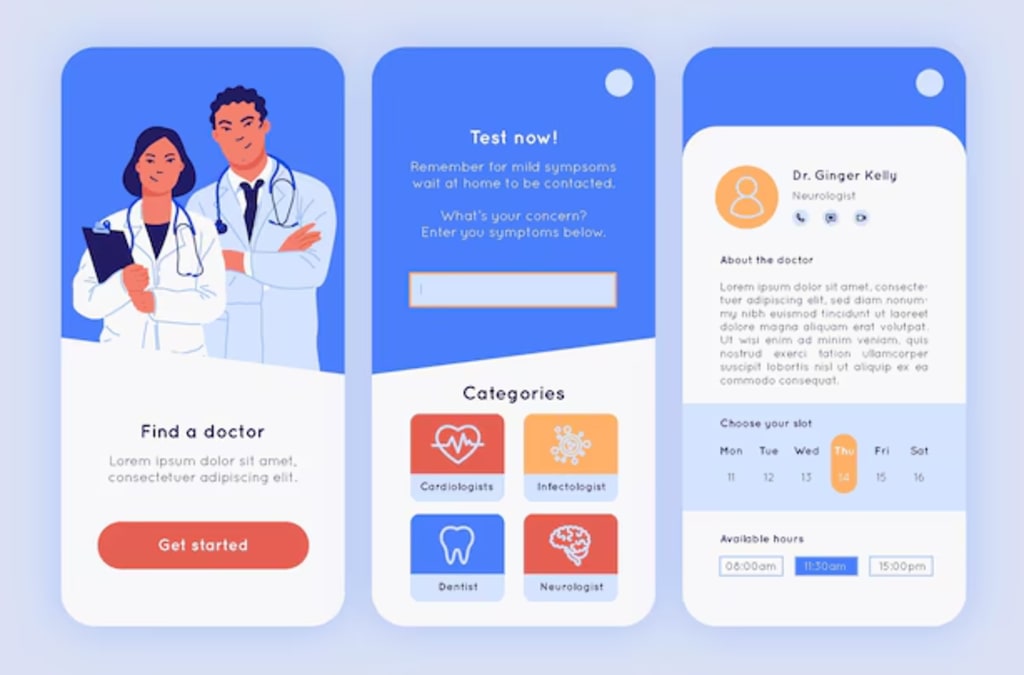
The Rise of Healthcare Apps in Modern Healthcare
Healthcare apps have become a revolutionary force in the healthcare industry, providing patients and healthcare providers with tools that improve convenience, access, and efficiency. From monitoring vital signs to facilitating remote consultations, healthcare app development have made it easier for individuals to take control of their health. As the healthcare landscape continues to evolve, the role of technology, particularly mobile apps, has proven indispensable in transforming how we manage our well-being.
The demand for healthcare apps has skyrocketed, fueled by advancements in technology, increased smartphone penetration, and the growing awareness of health and wellness. Whether it's tracking fitness goals, managing chronic conditions, or accessing medical records, healthcare apps empower users to take charge of their health in ways that were previously unimaginable. This shift in healthcare delivery has introduced greater convenience, cost-effectiveness, and, most importantly, enhanced patient outcomes.
In this article, we will explore six standout healthcare apps that are making a significant impact in the healthcare space. These apps showcase the diverse applications of mobile technology and the transformative power it has in improving health outcomes. Let's take a closer look at these six healthcare apps that are revolutionizing the industry.
1. MyChart: Empowering Patients with Easy Access to Health Records
In a world where time is of the essence, patients often find it difficult to manage appointments, prescriptions, lab results, and follow-up care. MyChart, an app developed by Epic Systems, addresses these issues by providing patients with easy, secure access to their health records and personal medical information. MyChart allows users to view test results, communicate with their healthcare providers, request prescription refills, and schedule appointments—all from their smartphones or computers.
Key Features:
Access to Health Records: MyChart provides users with a comprehensive view of their medical history, including diagnoses, treatment plans, prescriptions, and lab results.
Appointment Scheduling: Patients can easily book appointments with their healthcare providers and receive appointment reminders.
Messaging and Communication: Users can send and receive messages from their doctors, making it easier to clarify concerns or ask follow-up questions.
Prescription Management: The app allows users to manage their prescriptions, request refills, and track medication history.
By giving patients the tools to manage their health information effectively, MyChart enhances communication between patients and providers, improves adherence to treatment plans, and fosters a sense of control over their health journey.
2. Headspace: Revolutionizing Mental Health with Guided Meditation
Mental health is an increasingly important aspect of overall well-being, and Headspace is at the forefront of revolutionizing how people approach mindfulness and mental wellness. Headspace is a meditation and mindfulness app designed to help users reduce stress, improve focus, and enhance overall mental health through guided meditation exercises.
Key Features:
Guided Meditation: Headspace offers a variety of meditation programs, including stress reduction, sleep improvement, and anxiety management.
Mindfulness Techniques: The app includes mindfulness exercises designed to improve focus and clarity throughout the day.
Sleep Support: Headspace offers sleepcasts, guided sleep meditations, and soothing soundscapes to help users improve their sleep quality.
Personalized Plans: Users can tailor their meditation practice based on their personal goals, whether it's reducing stress, boosting productivity, or enhancing emotional resilience.
Headspace’s user-friendly approach to mental health makes it accessible to individuals at all stages of their mental wellness journey. It’s a great example of how technology can be leveraged to support mental health care, making practices like meditation and mindfulness more widely available.
Explore exclusive offers and get your free consultation now—click here to start!
3. Teladoc: Connecting Patients and Doctors Anytime, Anywhere
Teladoc is one of the pioneers in telemedicine, providing patients with the ability to connect with healthcare professionals remotely. This app is especially valuable for individuals who live in remote areas or have busy schedules that prevent them from visiting a doctor in person. With Teladoc, patients can receive medical advice, prescriptions, and even mental health support via video calls, phone consultations, or text-based interactions.
Key Features:
24/7 Access to Doctors: Teladoc provides around-the-clock access to board-certified doctors who can offer medical advice and treatment.
Remote Consultations: Patients can have face-to-face consultations with doctors via video calls, making healthcare more accessible and convenient.
Mental Health Support: The app offers therapy sessions and mental health consultations to help users manage stress, anxiety, depression, and other conditions.
Prescription Services: After a consultation, Teladoc doctors can prescribe medications, which can be sent directly to the patient’s pharmacy.
Teladoc has become an essential tool for ensuring that healthcare is available whenever and wherever patients need it, eliminating the need for time-consuming in-person visits for non-urgent medical concerns.
4. Fitbit: Tracking Fitness for a Healthier Lifestyle
Fitbit, a leading name in the fitness tracking industry, has expanded beyond basic step counting to become a comprehensive health and wellness platform. The Fitbit app allows users to track their physical activity, monitor heart rate, and even assess sleep patterns. With its integration of smartwatches and fitness trackers, Fitbit has become an essential tool for individuals looking to improve their health and stay active.
Key Features:
Activity Tracking: Fitbit tracks steps, distance, calories burned, and active minutes to help users stay motivated and meet fitness goals.
Heart Rate Monitoring: The app monitors heart rate throughout the day and provides insights into cardiovascular health.
Sleep Tracking: Fitbit analyzes sleep quality by monitoring sleep stages, helping users improve their rest habits.
Goal Setting and Challenges: The app allows users to set personalized fitness goals and participate in challenges to stay motivated.
By providing users with real-time health data, Fitbit helps individuals monitor their progress, stay motivated, and achieve their fitness goals. It serves as an excellent tool for individuals who want to adopt a healthier lifestyle.
5. Medisafe: Medication Management Made Simple
For individuals managing chronic conditions or taking multiple medications, keeping track of prescriptions can be overwhelming. Medisafe is a medication management app designed to help users remember to take their medications on time, track dosages, and avoid dangerous interactions between drugs.
Key Features:
Medication Reminders: Medisafe sends notifications to remind users when it’s time to take their medications, helping to improve adherence to prescribed treatments.
Drug Interaction Checker: The app alerts users if there are any potential harmful interactions between the medications they are taking.
Dosage Tracking: Medisafe tracks medication dosages and provides visual reminders for users to stay on track.
Family and Caregiver Support: Users can share their medication schedules with family members or caregivers, ensuring that they receive the necessary support.
Medisafe empowers users to manage their medications with confidence and avoid the risks associated with missed doses or drug interactions, making it an indispensable tool for people managing chronic conditions.
6. HealthTap: Virtual Healthcare at Your Fingertips
HealthTap offers virtual healthcare services, allowing users to connect with doctors for medical consultations, prescriptions, and health advice through text, video calls, and phone calls. The app aims to make healthcare more accessible and affordable by removing the need for in-person doctor visits.
Key Features:
Virtual Consultations: HealthTap connects users with licensed healthcare professionals for consultations via video, text, or phone.
Health Q&A: The app offers a Q&A feature where users can ask doctors specific health questions and receive answers within minutes.
Personal Health Profile: Users can create a health profile to track symptoms, medications, and overall well-being.
Prescription Services: HealthTap enables doctors to prescribe medications directly through the app, saving users time.
HealthTap's easy access to healthcare professionals and affordable services make it an excellent solution for those seeking non-emergency medical advice without leaving home.
Conclusion: The Future of Healthcare Apps and Their Impact on Wellness
The healthcare industry has undergone a significant transformation with the advent of healthcare apps, and the future looks even brighter. As more people adopt smartphones and digital health technologies, we can expect healthcare apps to become even more integrated into our daily lives. The continued rise of telemedicine, fitness tracking, mental health support, and medication management tools will empower users to take control of their health with unprecedented convenience and flexibility.
Custom Healthcare app development are helping to bridge the gap between patients and providers, offering solutions for everything from chronic condition management to mental wellness. As the technology behind these apps continues to evolve, we can anticipate even more advanced features, such as AI-powered health predictions, better data security, and even more personalized care.
In the coming years, healthcare apps will continue to shape the healthcare landscape, providing individuals with the tools they need to stay healthy and informed. The convenience and accessibility of healthcare apps have the potential to improve health outcomes, reduce healthcare costs, and enhance the overall user experience.
FAQs
Q: How can healthcare apps improve patient outcomes?
A: Healthcare apps provide patients with easy access to their health records, medication reminders, fitness tracking, and remote consultations, empowering them to manage their health more effectively. This can lead to better adherence to treatment plans, improved wellness, and reduced healthcare costs.
Q: Are healthcare apps secure?
A: Most healthcare apps are designed with robust security measures, such as encryption and secure authentication, to protect patient data. It's important for users to choose reputable apps and ensure they follow data privacy best practices.
Q: Can healthcare apps replace in-person doctor visits?
A: While healthcare apps can offer virtual consultations and manage routine healthcare needs, they cannot fully replace in-person visits for emergencies or complex conditions. They complement traditional healthcare methods, providing greater convenience for non-urgent medical concerns.
Q: Are there any costs associated with using healthcare apps?
A: Some healthcare apps are free, while others may require a subscription or pay-per-consultation fee. It's important to review the pricing structure before using an app to understand the potential costs.
About the Creator
Apptunix usa
Discover the elite mobile app developers in New York who are setting new standards in innovation and technology.
Keep reading
More stories from Apptunix usa and writers in Humans and other communities.
A Complete Guide on How to build a Mobile Game App
Introduction to Mobile Game Development The creation of mobile games has grown quickly, becoming a multibillion-dollar business. The desire for interesting and interactive games has increased dramatically as smartphones get more powerful. Bringing game concepts to life while making sure they adhere to strict industry standards is a critical function of a mobile game development firm. Design, coding, and market trends knowledge are necessary for creating a successful mobile game. Understanding the entire mobile game development process is crucial for anyone hoping to become a developer or an entrepreneur in order to produce an entertaining and successful game.
By Apptunix usa11 months ago in Humans
I am not alone.
Billu Bhai’s Realization Category: Human Interest / Life Lessons His real name was Bilal, but everyone in the village called him Billu Bhai. He was the eldest child in a large family, with parents, siblings, and relatives all living together. Growing up, Bilal had been quite weak, both physically and mentally. His childhood was marked by illness, which affected his ability to concentrate in school. Learning was a constant struggle, and he barely managed to complete his education up to the tenth grade. Now, at twenty-five, Bilal was hardworking, reliable, and always willing to help others. His father had given him a rickshaw, which became his source of daily income.
By Sudais Zakwan2 days ago in Humans


Comments
There are no comments for this story
Be the first to respond and start the conversation.