
Top 25 Books for Social Workers: Must-Reads for Those Passionate about Social Change and Advocacy
Books for Social Workers Championing Social Justice

Social work is a noble profession dedicated to promoting social justice, empowering individuals and communities, and creating positive change. If you're a social worker or aspiring to become one, staying informed and continuously expanding your knowledge is crucial. To help you on your journey, we have curated a list of the top 25 must-read books for social workers. These books cover a wide range of topics, from understanding social issues and systemic challenges to honing essential skills and strategies for effective advocacy. Let's dive into this enriching collection that will inspire and equip you to make a lasting impact in the lives of others.

1. "The Body Keeps the Score: Brain, Mind, and Body in the Healing of Trauma" by Bessel van der Kolk M.D.:
"The Body Keeps the Score" by Bessel van der Kolk is a must-read for social workers. It delves into the intricate connection between trauma and its effects on the brain, mind, and body. This book equips social workers with vital knowledge and strategies to provide effective support and healing for those impacted by trauma.

2. "The Strengths Perspective in Social Work Practice" by Dennis Saleebey:
Emphasizing a strengths-based approach, this book explores how social workers can focus on individuals' abilities and resources to promote empowerment and resilience. It provides practical tools and case examples to guide social workers in leveraging strengths to facilitate positive change.

3. "Evicted: Poverty and Profit in the American City" by Matthew Desmond:
This Pulitzer Prize-winning book sheds light on the devastating impact of eviction and housing insecurity on individuals and families. Desmond's immersive storytelling and meticulous research expose the systemic issues that perpetuate poverty, highlighting the urgent need for social change in housing policies.

4. "The Boy Who Was Raised as a Dog: And Other Stories from a Child Psychiatrist's Notebook -- What Traumatized Children Can Teach Us About Loss, Love, and Healing" by Bruce D Perry:
"The Boy Who Was Raised as a Dog" by Bruce D. Perry and Maia Szalavitz is an essential read for social workers. Through poignant stories from a child psychiatrist's notebook, it sheds light on the profound impact of early childhood trauma and the healing power of compassionate care. This book offers valuable insights and practical guidance for social workers in their work with children and families affected by trauma.
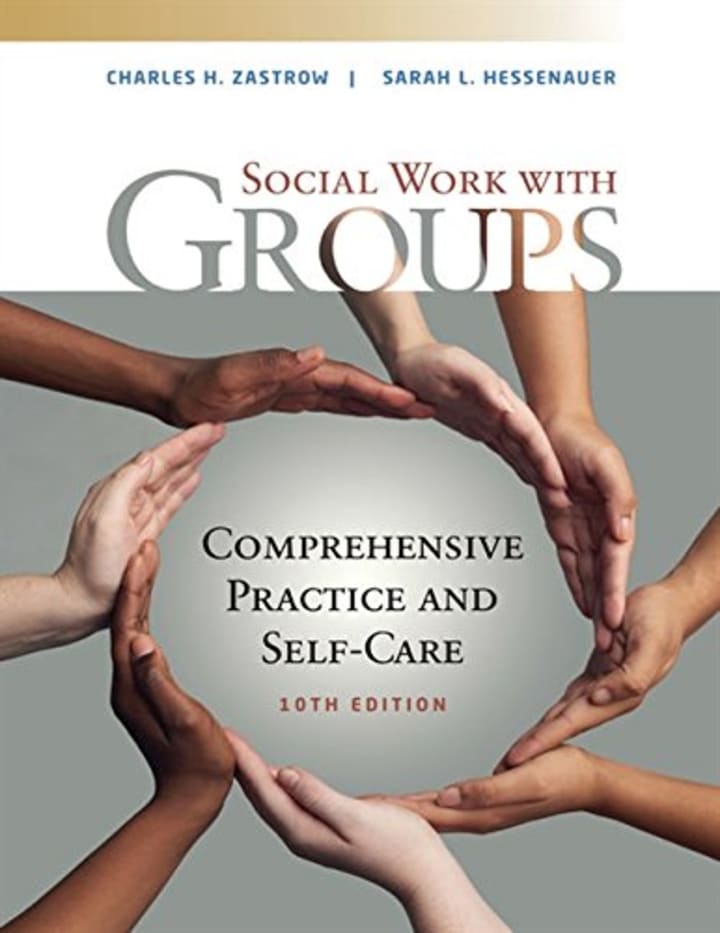
5. "Social Work with Groups: A Comprehensive Workbook" by Charles Zastrow and Sarah L. Hessenauer:
This comprehensive workbook offers practical guidance on group work theory, practice, and facilitation techniques. It provides social workers with the tools to engage diverse groups, promote collaboration, and create positive change on a collective level.

6. "Pedagogy of the Oppressed" by Paulo Freire:
A seminal work in critical pedagogy, Freire's book explores the dynamics of oppression and the transformative power of education. Social workers will find inspiration in Freire's call to challenge oppressive systems and empower individuals through conscientization and dialogue.

7. "The Spirit Catches You and You Fall Down: A Hmong Child, Her American Doctors, and the Collision of Two Cultures" by Anne Fadiman:
This captivating narrative delves into the clash between Western medicine and Hmong culture through the lens of a young girl with epilepsy. Fadiman's thought-provoking exploration prompts social workers to reflect on cultural competence and the importance of understanding diverse perspectives.
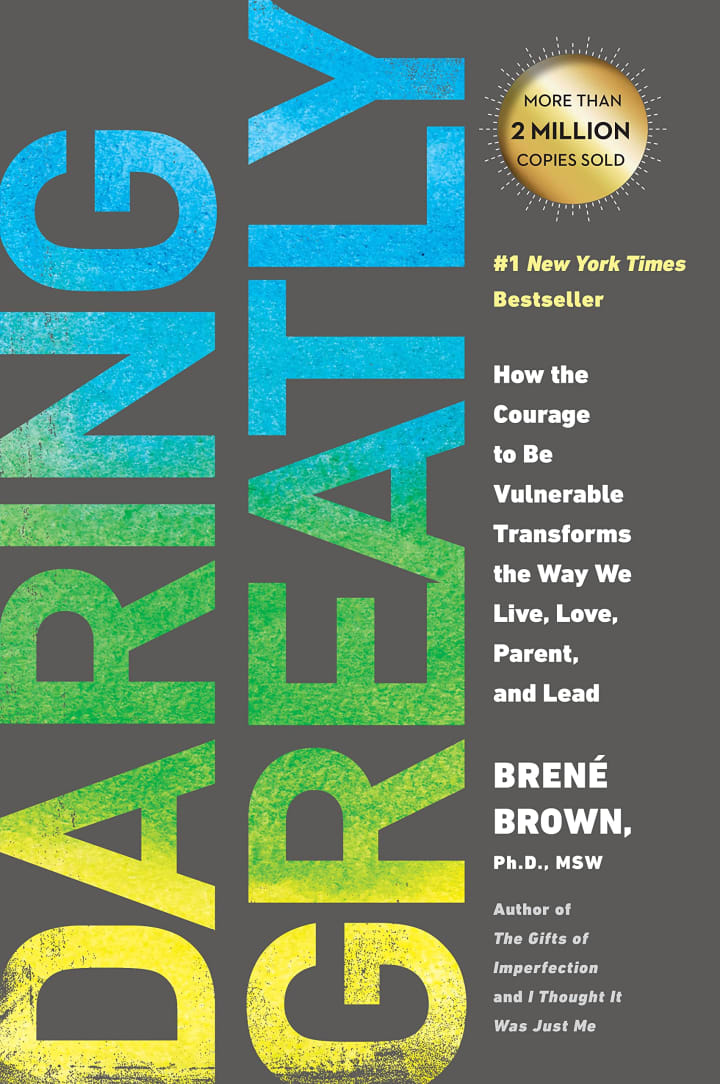
8. "Daring Greatly: How the Courage to Be Vulnerable Transforms the Way We Live, Love, Parent, and Lead" by Brené Brown:
While not specific to social work, Brown's book on vulnerability and courage offers invaluable insights for anyone in the helping professions. Social workers will find inspiration in embracing vulnerability as a catalyst for connection, empathy, and transformative relationships.
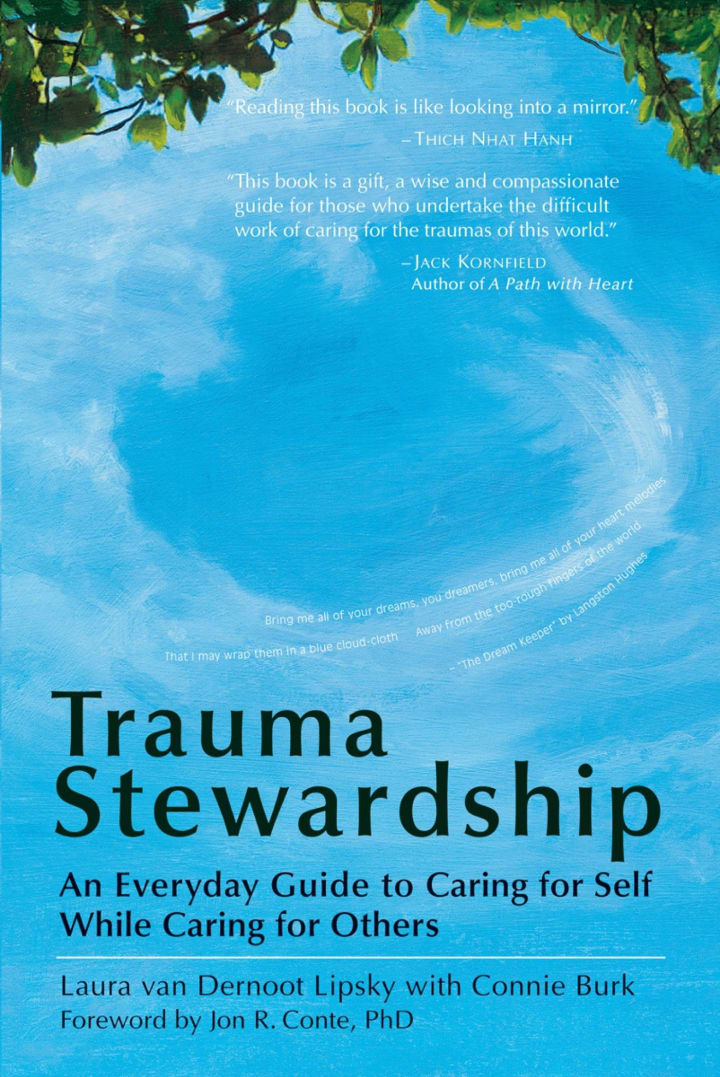
9. "Trauma Stewardship: An Everyday Guide to Caring for Self While Caring for Others" by Laura van Dernoot Lipsky and Connie Burk:
Addressing the unique challenges of working with trauma, this book provides practical strategies for self-care and preventing burnout. It highlights the importance of self-awareness, healthy boundaries, and cultivating resilience in the face of challenging work.

10. "Half the Sky: Turning Oppression into Opportunity for Women Worldwide" by Nicholas D. Kristof and Sheryl WuDunn:
This eye-opening book sheds light on the global issues of gender inequality and violence against women, offering stories of resilience and strategies for empowerment. It urges social workers to advocate for gender equity and become agents of change in their communities.
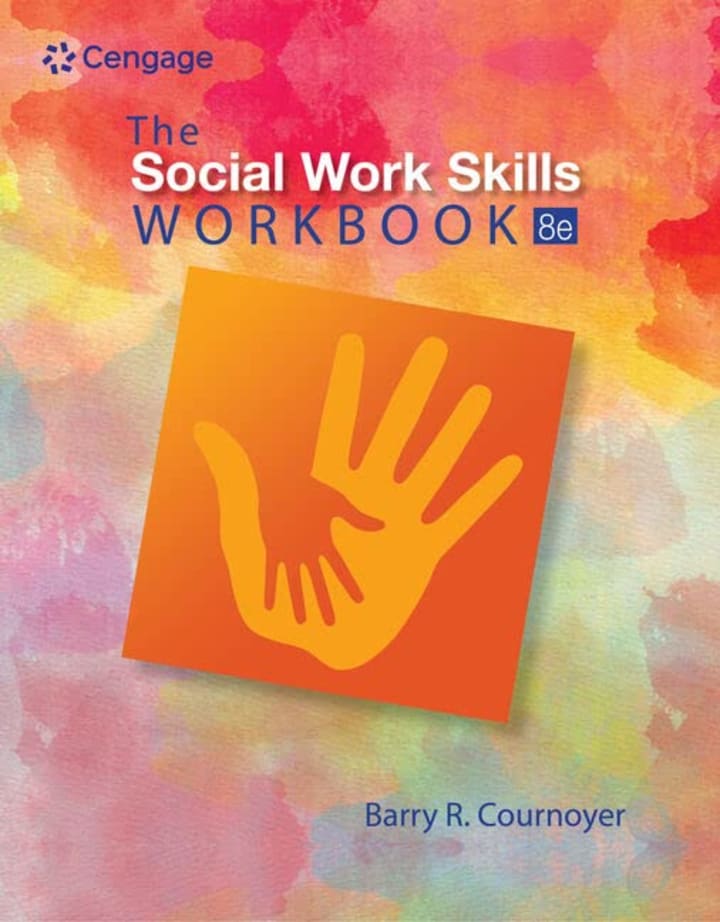
11. "The Social Work Skills Workbook" by Barry R. Cournoyer:
This practical workbook is an essential resource for social workers, offering exercises and activities to develop and enhance critical skills in assessment, communication, intervention, and evaluation. It provides a hands-on approach to honing essential competencies for effective social work practice.
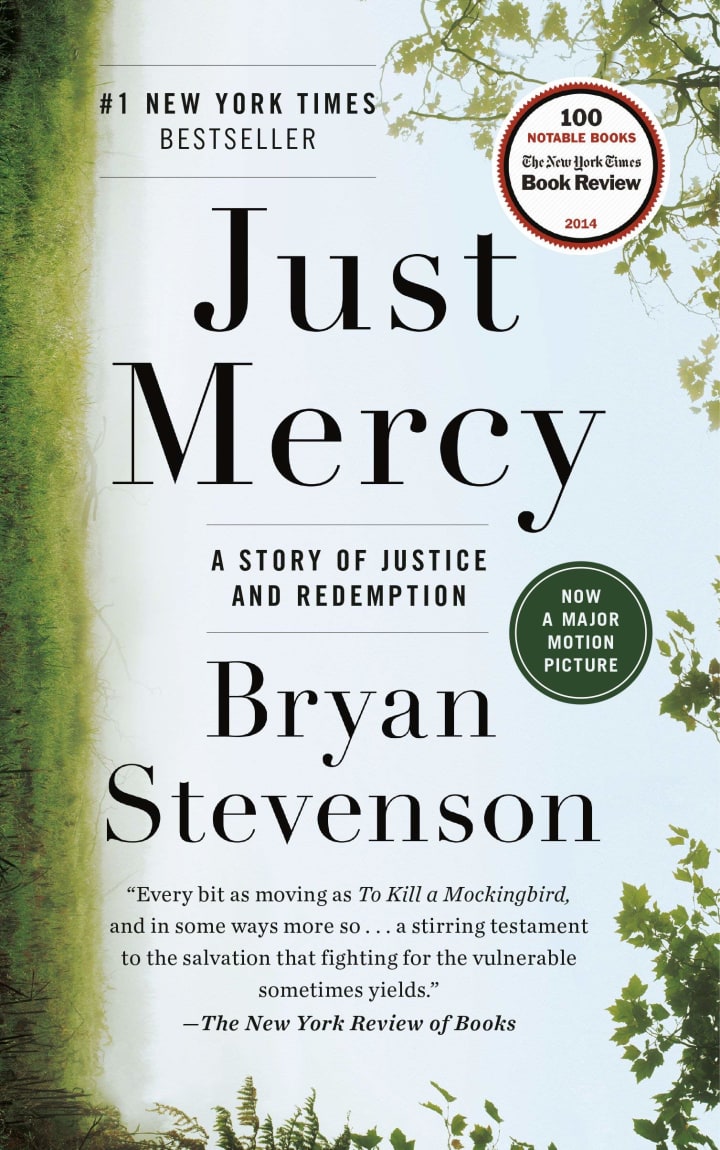
12. "Just Mercy: A Story of Justice and Redemption" by Bryan Stevenson:
Stevenson's powerful memoir recounts his experiences as a lawyer advocating for the rights of the marginalized and those unjustly imprisoned. This book challenges social workers to confront systemic injustices and fight for equal access to justice for all individuals.
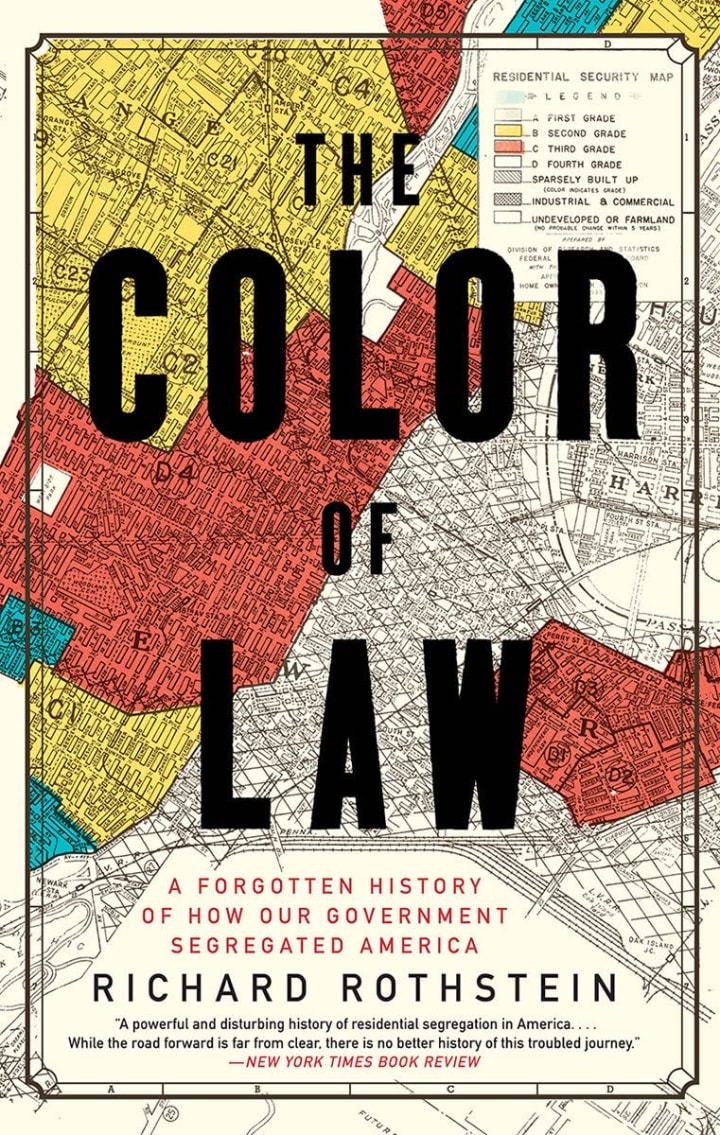
13. "The Color of Law: A Forgotten History of How Our Government Segregated America" by Richard Rothstein:
Rothstein's meticulously researched book exposes the government's role in perpetuating racial segregation in the United States. It provides a historical perspective on housing discrimination and its far-reaching effects, urging social workers to address structural inequalities and advocate for fair housing policies.
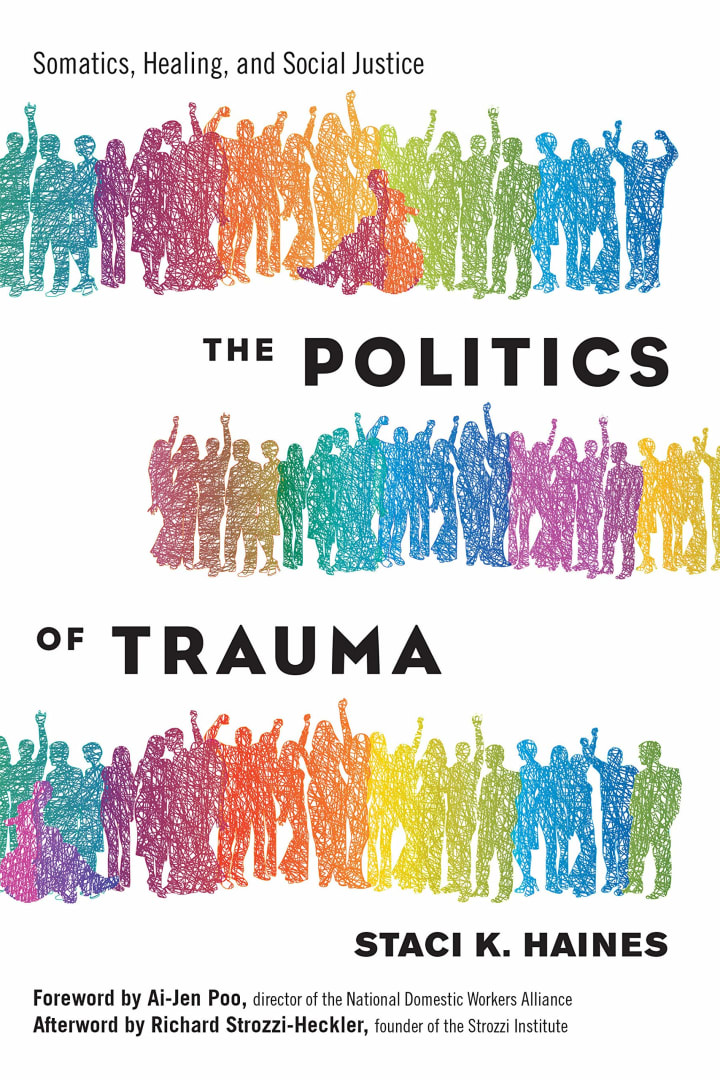
14. "The Politics of Trauma: Somatics, Healing, and Social Justice" by Staci K. Haines:
Exploring the intersection of trauma, somatics, and social justice, Haines offers a transformative approach to healing and activism. This book equips social workers with tools to support individuals and communities in addressing trauma, while also working towards systemic change and social transformation.

15. "The Power of Empathy: A Practical Guide to Creating Intimacy, Self-Understanding, and Lasting Love" by Arthur P. Ciaramicoli:
Although not specific to social work, this book explores the transformative power of empathy in personal and professional relationships. Social workers will find valuable insights on cultivating empathy as a core skill for building rapport, understanding clients' experiences, and fostering meaningful connections.
16. "Refugees, Immigrants, and Education in the Global South: Lives in Motion" by Bradley A. Levinson and M. Najeeb Shafiq:
This book delves into the challenges faced by refugees and immigrants in accessing quality education in the Global South. It highlights the importance of inclusive educational policies and practices, urging social workers to advocate for equal educational opportunities for marginalized populations.

17. "Radical Social Work Today: Social Work at the Crossroads" by Michael Lavalette and Iain Ferguson:
Examining the contemporary challenges faced by social work, this book explores critical perspectives and innovative approaches to effecting social change. It encourages social workers to embrace radical practices that challenge oppressive systems and promote social justice.
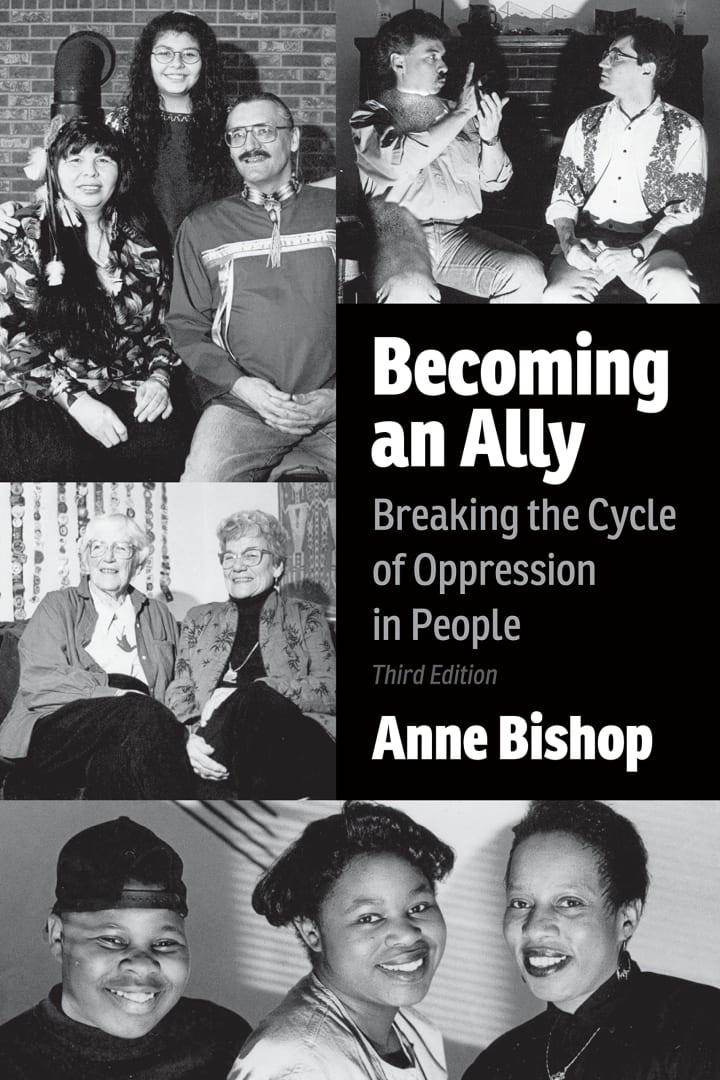
18. "Becoming an Ally: Breaking the Cycle of Oppression" by Anne Bishop:
This insightful book provides a guide for individuals seeking to become effective allies in the fight against oppression and injustice. It explores the importance of self-reflection, education, and taking action to support marginalized communities, offering practical strategies for transformative allyship.

For social workers in managerial roles, this book offers guidance on effectively leading teams, managing resources, and navigating organizational challenges. It equips social work managers with the skills and knowledge to balance administrative responsibilities while maintaining a focus on social justice and client well-being.

20. "Social Policy and Social Change: Toward the Creation of Social and Economic Justice" by Jillian A. Jimenez and Bruce Jansson:
This comprehensive textbook explores the intersection of social policy and social change, providing a critical analysis of current policies and proposing strategies for creating a more just and equitable society. It challenges social workers to engage in policy advocacy and contribute to shaping inclusive social policies.
21. "Motivational Interviewing: Helping People Change" by William R. Miller:
"Motivational Interviewing: Helping People Change" by William R. Miller and Stephen Rollnick is a must-read for social workers. This influential book presents a collaborative and empowering approach to facilitate behavior change in individuals. With its practical strategies and techniques, it equips social workers with the skills to effectively engage and motivate their clients towards positive transformations. This book is a valuable resource for social workers seeking to enhance their counseling and communication skills.
22. "Dismantling Racism: A Workbook for Social Change Groups" by Kenneth Jones and Tema Okun:
This workbook offers practical tools and resources for social workers engaging in anti-racism work. It provides a framework for understanding and dismantling systemic racism, guiding social workers in promoting racial equity and justice in their practice and advocacy.

23. "Feminist Social Work Practice in Clinical Settings" by Edith E. Freeman and Denise L. St. Arnault:
This book explores the intersection of feminist theory and social work practice, emphasizing the importance of gender-sensitive and empowering approaches in clinical settings. It equips social workers with the tools to address gender-based violence, reproductive justice, and other issues impacting women's lives.
24. "Decolonizing Social Work" by Mel Gray and John Coates:
Examining the impact of colonization on social work practice, this book challenges social workers to adopt decolonizing practices that center Indigenous knowledge, cultural diversity, and self-determination. It encourages social workers to challenge oppressive systems and promote culturally competent and inclusive approaches.

25. "Fish in a Tree" by Lynda Mullaly Hunt:
"Fish in a Tree" by Lynda Mullaly Hunt is a powerful and heartwarming novel that social workers should add to their reading list. It tells the story of Ally, a young girl with dyslexia, as she navigates the challenges of school and discovers her unique strengths. This book offers valuable insights into learning differences and the importance of empathy and understanding in supporting children with diverse needs. It serves as a reminder for social workers to foster inclusive and compassionate environments where all children can thrive.
These 25 books encompass a wide range of topics and perspectives, providing a comprehensive resource for social workers passionate about social change and advocacy. Whether you're a student, a seasoned professional, or simply interested in understanding social issues, these books will inspire, inform, and empower you to make a meaningful impact in your practice and contribute to a more just and equitable society. Happy reading!
About the Creator
NovelNest Books
Book Recommendations
Keep reading
More stories from NovelNest Books and writers in Humans and other communities.
Top 25 Inspirational Memoirs and Biographies That Will Transform You
Memoirs and biographies have the power to captivate and inspire us with the incredible stories of real people. From tales of overcoming adversity to stories of personal growth and triumph, these books offer profound insights into the human experience. In this curated list of 25 inspirational memoirs and biographies, we explore remarkable life stories and journeys that will leave a lasting impact. Let's dive into these captivating reads that include renowned titles such as "Becoming" by Michelle Obama and "Educated" by Tara Westover.
By NovelNest Books3 years ago in Humans
Second Chance At Love Offering Hope Healing And Beautiful New Beginnings
A second love is in most cases initiated by a new feeling of hope following a feeling of heartbreak or disappointment. Emotional scars, questions and fears of trusting the other person again are left behind by the past relationships to many. However, hope enables the heart to be open and helps people not to forget that love is not lost and that after suffering significant relationships can be created. It is a source of optimism which leads to a cure and happiness.
By Mark Hipster2 days ago in Humans
Hottest in the Office
Dear Rafi, You’re very distracting to work around. For the first second I saw you the other day, I thought you were some type of executive. It took a moment to realize no, you were just the new guy, dressed up for the job he wants. Be still, my heart.
By Gabriel Shames6 days ago in Pride




Comments
There are no comments for this story
Be the first to respond and start the conversation.