
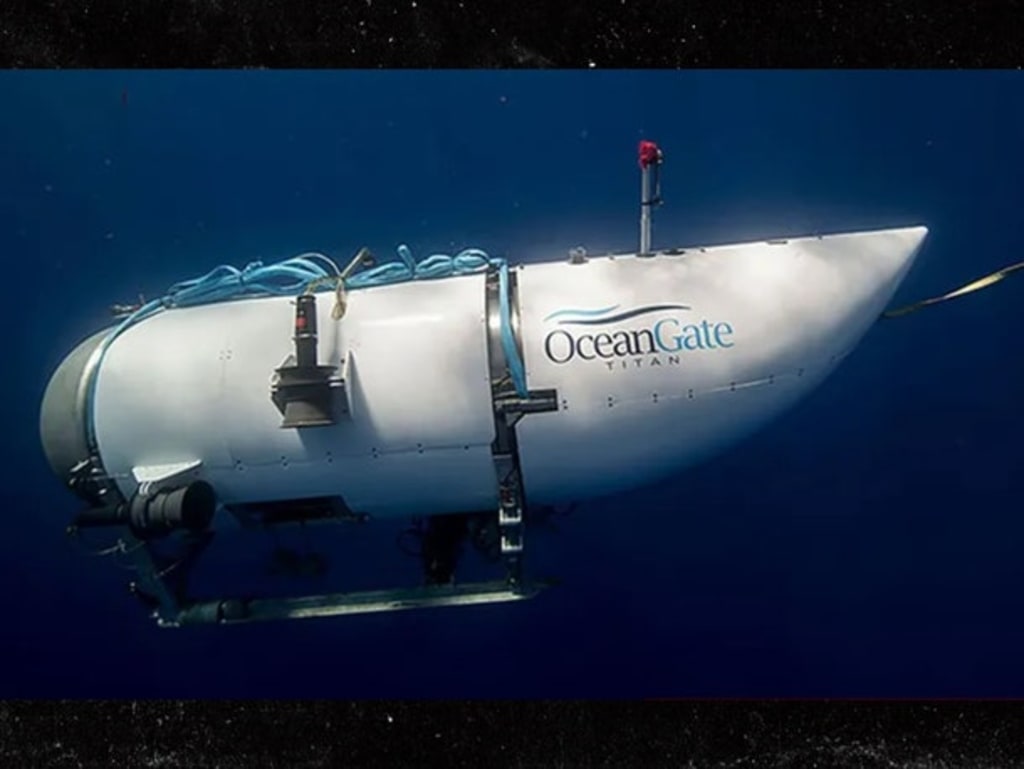
Once upon a time, in the vast depths of the Atlantic Ocean, a team of brave explorers embarked on a historic mission to unravel the mysteries of a legendary ship that had captured the world's imagination for over a century—the Titanic. Their hearts were filled with a mix of excitement, curiosity, and reverence as they set out to explore the remnants of this majestic vessel.
As the team of explorers descended into the ocean depths, the water grew darker and colder, and a sense of anticipation filled the air. The pressure intensified, both from the depths of the ocean and the weight of the Titanic's history resting on their shoulders. Each member of the team knew they were part of something extraordinary—an endeavor that would pay homage to the souls lost and forever change our understanding of this tragic event.
As the exploration vessel reached the ocean floor, the first glimpses of the Titanic's wreckage appeared. It was as if time had stood still, preserving the remnants of a bygone era. The explorers were overwhelmed by the sheer scale of the debris field, scattered like broken memories across the ocean floor. It was a poignant reminder of the lives that were shattered on that fateful night.
Amidst the rusted metal, shattered glass, and fragments of once-grand furnishings, the explorers came across a haunting sight—a child's shoe, abandoned and frozen in time. It was a poignant symbol of the innocence lost on that ill-fated journey. The team couldn't help but imagine the young passenger who wore that shoe and the dreams they held before tragedy struck.
As the exploration continued, the explorers discovered personal belongings—letters, photographs, and trinkets—that had been locked away in time capsules within the ship's watery grave. Each artifact carried a story, a connection to a life that was lost too soon. The explorers felt a deep sense of responsibility to honor these individuals by uncovering their stories and giving voice to their silent echoes.
Among the artifacts, they found a letter—a love letter written by a passenger to their beloved. The ink had long faded, but the words still held a timeless intensity of love and longing. The explorers couldn't help but be moved by the depth of emotion contained within those fragile pages. It was a testament to the human spirit and the enduring power of love, even in the face of impending tragedy.
As the expedition neared its end, the explorers took a moment to reflect on their journey. They had not only explored the physical remains of a shipwreck but had delved into the depths of their own emotions. They were humbled by the resilience of the human spirit and the fragility of life itself. The Titanic, once a symbol of human arrogance and tragedy, had become a vessel for their own personal growth and understanding.
With their hearts heavy yet enlightened, the explorers bid farewell to the Titanic, knowing that its legacy would continue to captivate and educate generations to come. As they resurfaced, they carried with them the weight of history, the echoes of lost lives, and a renewed appreciation for the preciousness of each passing moment.
And so, the emotional story of the recent Titanic ship exploration became a testament to the enduring power of human curiosity, compassion, and the indomitable spirit that lingers within the depths of the ocean and the hearts of those who seek to understand and remember
The Titanic underwater exploration tragedy serves as a stark reminder of the risks and challenges associated with deep-sea exploration. While advancements in technology and safety measures have improved since the Titanic's sinking in 1912, precautions are still necessary to ensure the safety of individuals involved in underwater exploration. Here are some precautions to consider:
Adequate Training: Anyone involved in underwater exploration should receive comprehensive training on the specific equipment being used, emergency procedures, and the risks associated with deep-sea diving. Proper training helps individuals understand the potential dangers and how to mitigate them.
Thorough Planning: Prior to any underwater exploration, thorough planning is essential. This includes researching the site, understanding potential hazards, assessing environmental conditions, and developing contingency plans for emergencies.
Reliable Equipment: Using reliable and well-maintained equipment is crucial for the safety of divers and researchers. This includes diving suits, breathing apparatus, communication devices, and navigation tools. Regular equipment inspections and maintenance are essential to minimize the risk of failures.
Emergency Preparedness: A comprehensive emergency response plan should be in place, including procedures for diver rescue, medical emergencies, and equipment malfunctions. All team members should be familiar with the plan and be trained on their respective roles.
Communication Systems: Effective communication systems are vital during underwater exploration. Divers should have reliable communication equipment to stay connected with the surface team and fellow divers. This ensures timely communication in case of emergencies or changes in the diving plan.
Depth and Time Limits: Setting and adhering to depth and time limits is critical to prevent decompression sickness and other health risks associated with deep-sea diving. Divers should be aware of their physical limits and follow established safety protocols.
Dive Buddy System: The buddy system is a fundamental safety measure in underwater exploration. Divers should never dive alone and should always have a designated partner who can provide assistance in case of emergencies.
Weather and Environmental Conditions: Monitoring weather and environmental conditions is crucial before and during underwater exploration. Stormy weather or adverse conditions can increase risks, and diving operations should be postponed or canceled if conditions become unsafe.
Medical Support: Having access to medical support and expertise during underwater exploration is essential. Medical professionals with knowledge of diving-related illnesses and injuries should be available to provide immediate assistance, if needed.
Continual Risk Assessment: Risk assessment should be an ongoing process throughout the underwater exploration project. Regular evaluation of the operation, identification of potential hazards, and implementation of risk mitigation strategies are necessary to ensure the safety of all involved.
It is important to note that underwater exploration can still carry inherent risks, and precautions can help minimize those risks but cannot eliminate them entirely. Following proper safety protocols, staying updated with the latest practices, and continuously improving safety measures are essential for the well-being of those involved in underwater exploration.
About the Creator
Keep reading
More stories from writers in Humans and other communities.
Whiskey At Dusk
Guess the whiskey was more important to you in the end, wasn’t it? It was more than the well-being of your friends; more vital than showing up to the places you promised you would and could come to; more critical of a matter than fulfilling your damn responsibilities and getting the press off your back.
By Snarky Lisa4 days ago in Humans
Subtle Signs Your Body Responds to Emotional Energy.
Emotions influence more than thoughts. They shape how your body reacts in ways you might not notice. Understanding these signals helps you recognize emotional patterns and maintain better mental and physical health.
By Wilson Igbasi2 days ago in Humans



Comments
There are no comments for this story
Be the first to respond and start the conversation.