
Things You Only Realize When No One’s Waiting for You at Home
Where loneliness ends and self-discovery begins.
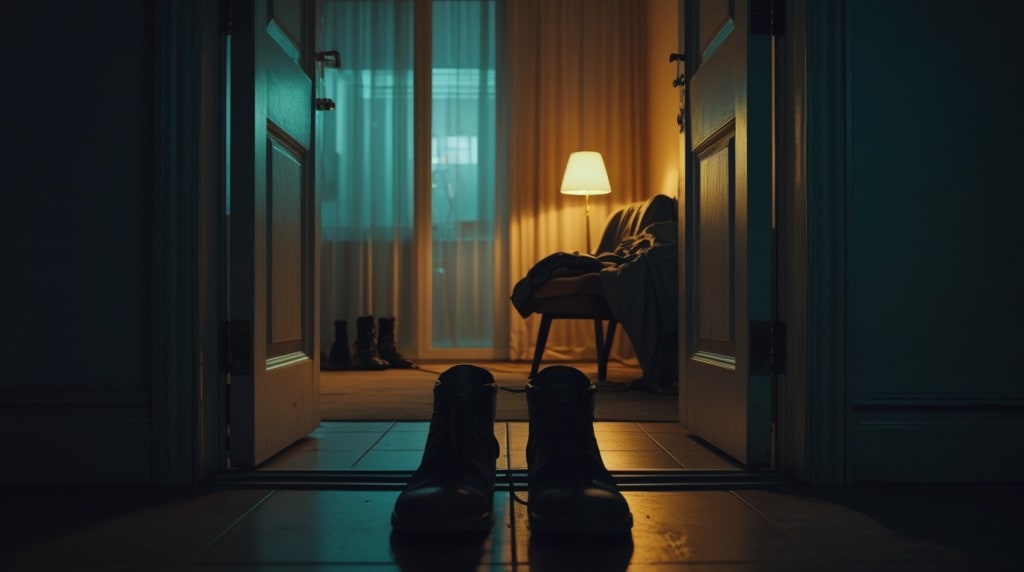
There’s a strange silence that comes with walking into a space where no one is waiting for you. It’s not loud. It doesn’t hit all at once. It creeps in—softly, slowly—and sits beside you like an invisible guest. At first, it might feel like emptiness. But if you stay with it long enough, you realize: it’s not empty. It’s just you. And that’s not nothing.
Living alone, or simply coming home to no one, isn’t just about having your own space. It’s about discovering parts of yourself that only appear when no one else is around. There’s a clarity, a stillness, and sometimes, a deep ache that teaches you what connection really means. And in that quiet, you begin to realize things that were never visible in the noise of constant company.
1. Silence Has a Voice
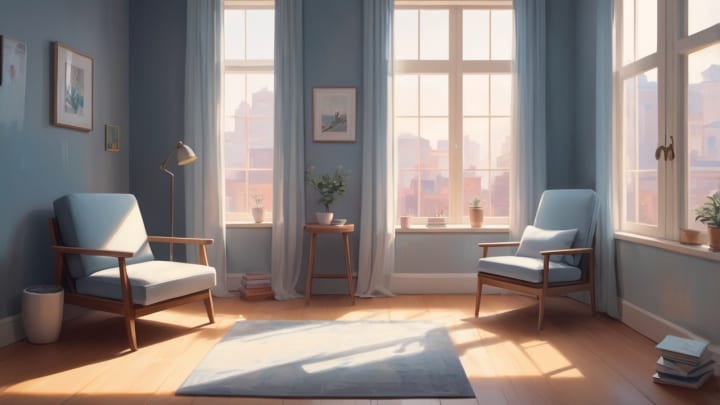
When you live alone, silence speaks. It tells you what you’re feeling before you even know. Some days, it comforts you like a warm blanket. Other days, it exposes emotions you’ve been avoiding—grief, fear, loneliness. But with time, you stop running from it. You sit with it. You learn that silence isn’t your enemy. It’s your mirror.
2. Routines Become Rituals
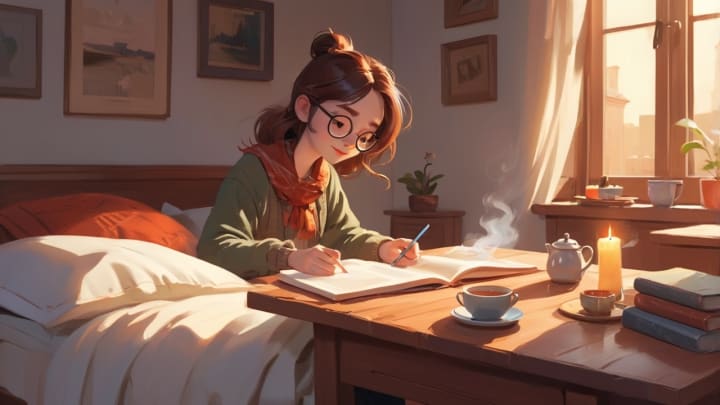
You notice how the little things start to matter more. Lighting a candle. Making your bed. Cooking dinner for one. These used to be background tasks, but now they feel like acts of care. For the first time, you’re not doing things because someone else is watching. You’re doing them for yourself. And that shift—small as it seems—changes everything.
3. You Miss Things You Never Thought You Would
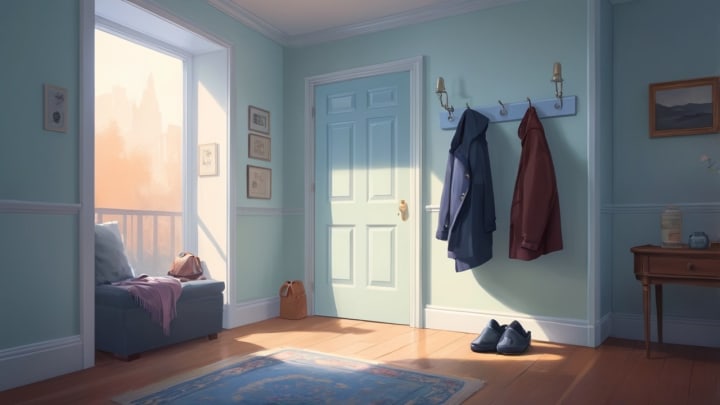
The sound of footsteps coming down the hallway. Someone asking how your day was. The click of a door unlocking that isn’t your own. These things used to annoy you, maybe even bore you. Now, in the quiet, you realize how deeply we crave even the most ordinary forms of connection.
4. You Start Talking to Yourself—And Listening
Living alone means your thoughts don’t have to compete. So eventually, they get louder. You might talk out loud just to hear a voice. You laugh at your own jokes, comfort yourself after a long day, or say “goodnight” into the air. It might feel strange at first, but then it starts to feel normal. Because you’re learning how to show up for yourself in ways others once did.
5. Freedom Feels Different Than You Imagined
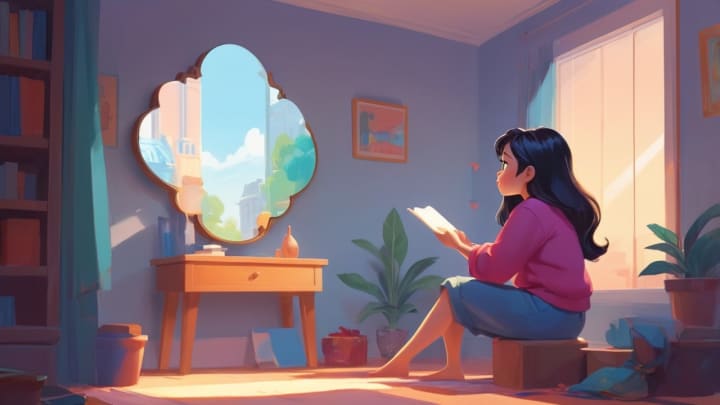
At first, the freedom feels exciting. You can eat cereal for dinner, wear mismatched clothes, stay up till 3 a.m., and nobody cares. But eventually, you realize freedom also means responsibility. There’s no one else to blame if the dishes pile up, or if the loneliness grows too heavy. You start learning how to care for your space, your body, your mind—because no one else is going to do it for you. That realization is powerful.
6. Home Becomes a Reflection of You
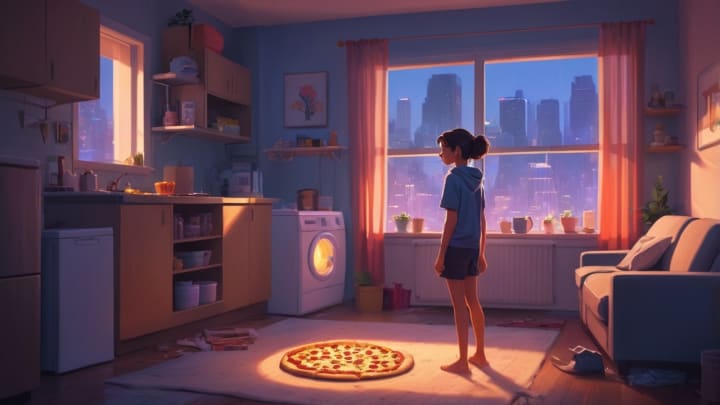
Every object, every scent, every sound in your home is a choice you made. There’s no compromise, no negotiation. That can feel isolating, but also incredibly liberating. You start shaping your environment to reflect not who you were in someone else’s life—but who you are when it’s just you. Your home becomes a soft place to land. A safe space. A visual diary of your healing.
7. You Understand the Difference Between Alone and Lonely
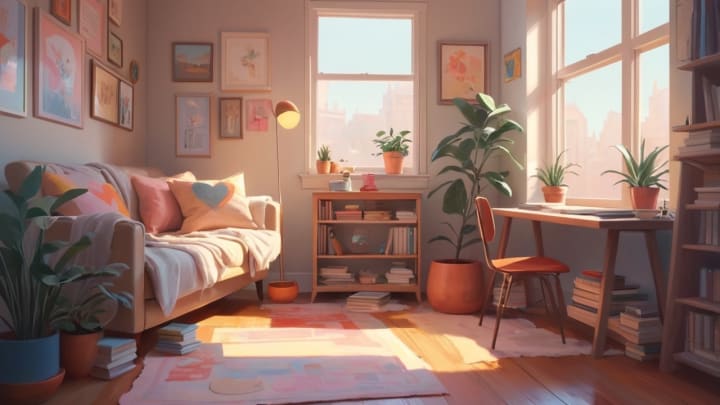
You learn that being alone doesn’t always mean being lonely. Some of your most peaceful moments come in solitude. You begin to crave your own company. You learn to enjoy the quiet, the control, the freedom. And yet, you also learn that loneliness can creep in even when you’re surrounded by people. So you stop chasing noise—and start seeking meaning.

Final Thoughts:
When no one is waiting for you at home, you begin waiting for yourself. You come home not just to a space, but to a version of you that’s slowly, gently growing. You discover how strong you are. How tender. How brave.
And one day, without even realizing it, you walk in the door and no longer feel the silence. You feel presence. Your own.
And for now, that’s enough.
About the Creator
The CEO of Everything
They say "jack of all trades, master of none," but they forgot to mention the part where the jack of all trades is also the camera woman, the makeup artist, and the person currently yelling at a tangled Wii microphone cable in a her own bathroom while recording herself singing and trying to make it look realistic and professional. (As professional as you can make it with nothing but a cell phone camera and a mic that doesn't work)
By Sara Wilson6 days ago in Humans
Pondering as I Wander
Our mind is the place that tells the truth about who we are. It’s the time capsule that we as individuals hold the key to. Some waiting to unlock it, while some throw the key away. In hopes of keeping ourselves locked away, as if it makes us untouchable.
By Deana Cabisona day ago in Humans




Comments
There are no comments for this story
Be the first to respond and start the conversation.