
The World's Most Endangered Languages | Africa
This is not an exhaustive list.


A
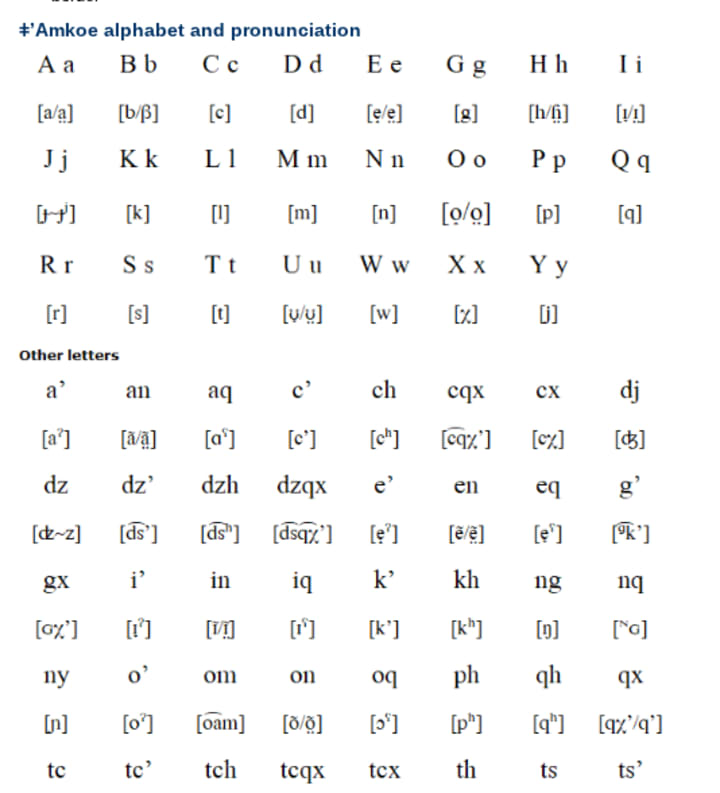
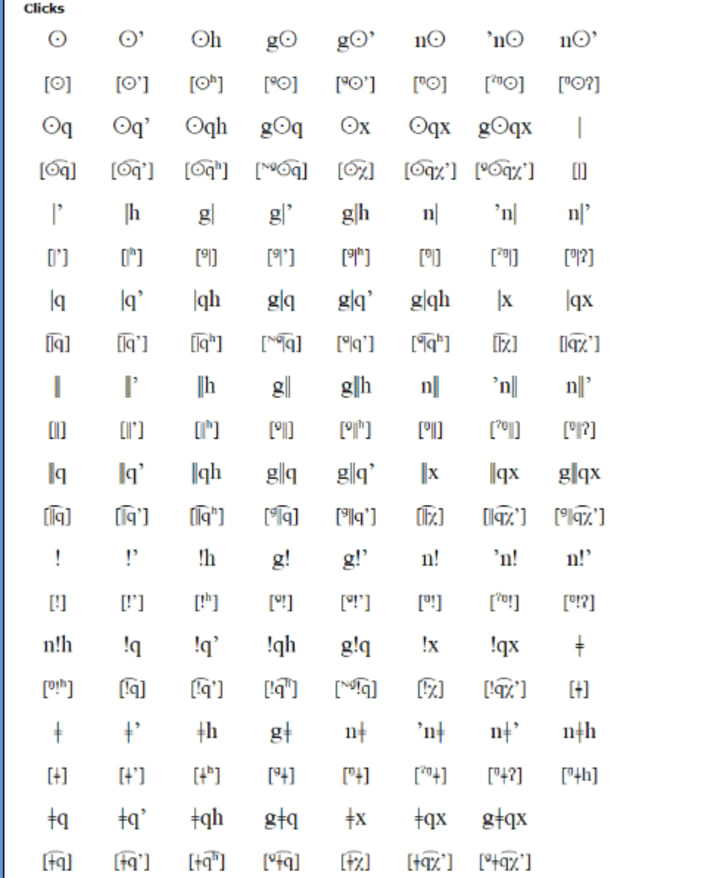
#'Amkoe: severely endangered
Language family: Kxʼa
Native speakers: 20-50
#'Amkoe is a moribund language, with most of its speakers born before 1960. Among younger people, #'Amkoe is generally avoided in favour of Glui, Kgalagadi, or Tswana. It is spoken in three areas of Botswana, each with their own dialect:
- Nǃaqriaxe dialect, spoken in the west of Kweneng District
- ǂHoan dialect, spoken in eastern Kweneng
- Sasi dialect, spoken between Kweneng District and the South African border
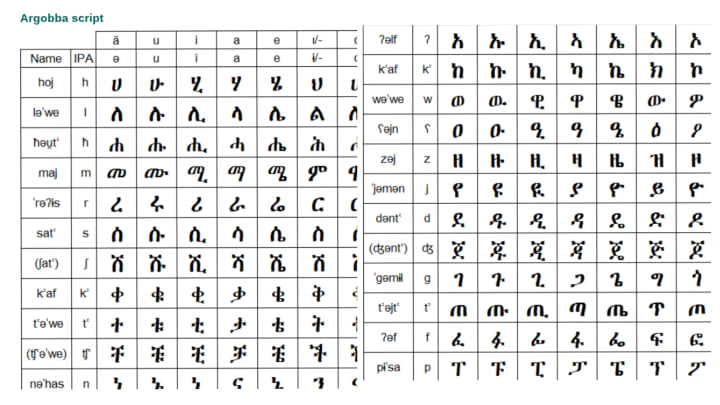
Argobba: definitely endangered
ዓርጎባ
Language family: Afro-Asiatic
Native speakers: Fewer than 45,000
According to historians, the Argobba people of Ethiopia diverged from the Amhara people in the ninth century. Modern Argobba people are believed to have originated in the Arabian Pennisula, travelling through Somaliland to arrive in Ethiopia. They are an endangered Muslim community residing in the Afar, Amhara, and Oromia districts of Ethiopia.
Argobba language is rapidly disappearing due to the domination of Oromo or Amharic in the region.
B
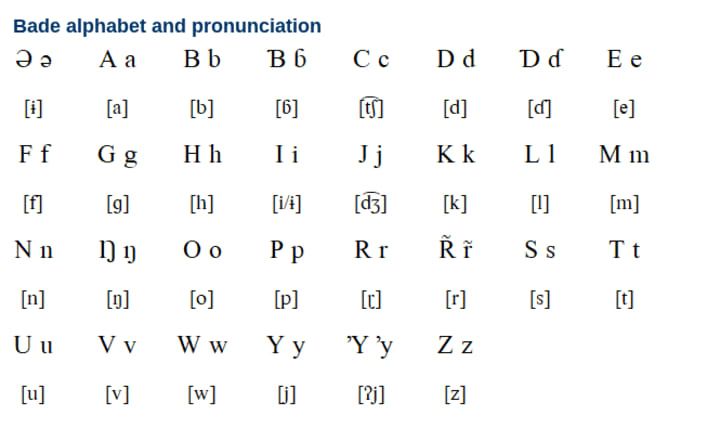
Bade: critically endangered
Gabaden
Language family: Afro-Asiatic
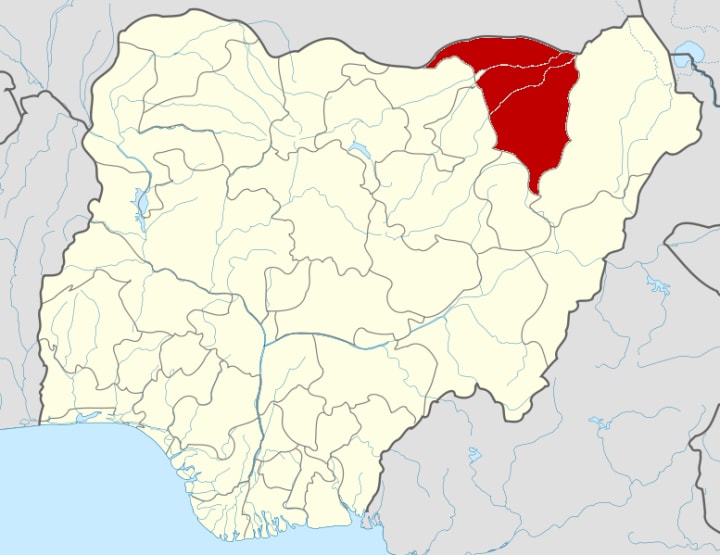
Spoken by approximately 350,000 people, Bade is a West Chadic language native to Nigeria. Bade is taught in schools and and used in literature; however, because it is rapidly being replaced by the dominant language of Hausa, Bade is greatly endangered and at risk of extinction.
The Bade people are native to Yobe State and Jigawa State, Nigeria.
Belanda Bor: definitely endangered
di Bor
Language family: Nilo-Saharan
Native speakers: 26,000 - 30,000
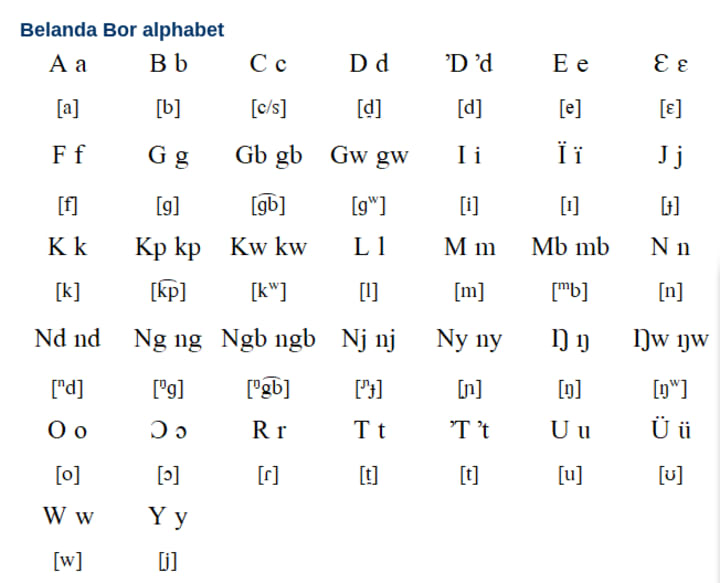
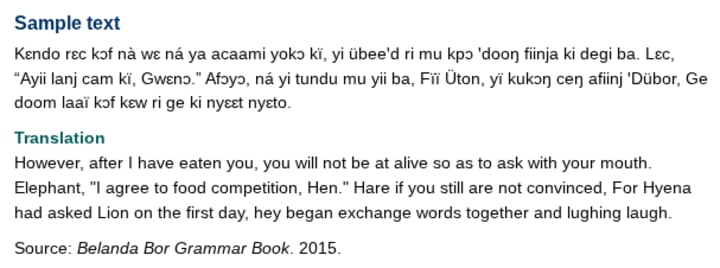
Belanda Bor is spoken in South Sudan by the Luo people, but due to slave trades and civil conflicts, little is known about their language or history.
Beli: definitely endangered
ʼBëlï
Language family: Nilo-Saharan
Native speakers: Approximately 65,000
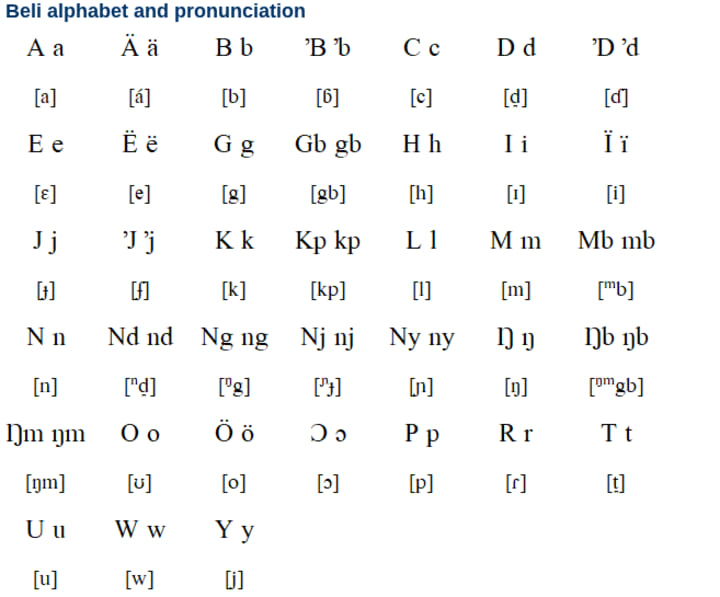
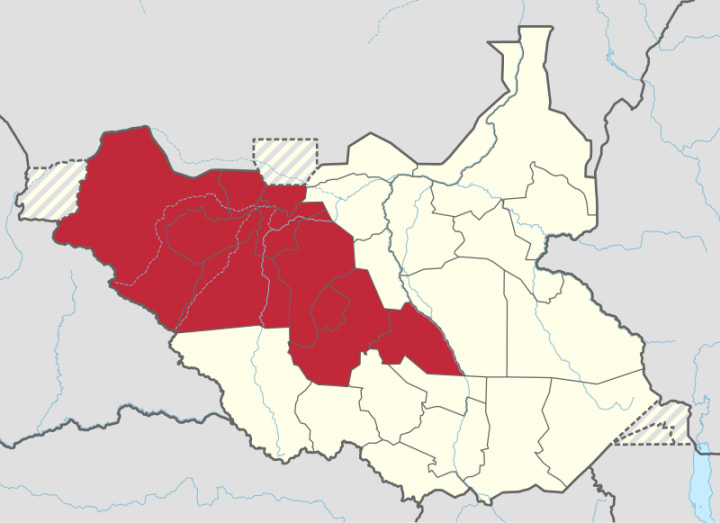
Beli is a Central Sudanic language spoken by the Beli and Sopi people of South Sudan. The Jur people consist of two geographic groups: Jur Beli, and Jur Modo. Beli is spoken mostly by older generations, and contains three dialects distinct to separate communities.
D
Defeka: critically endangered
défàkà
Language family: Possibly Niger-Congo
Native speakers: Unknown; possibly around 200
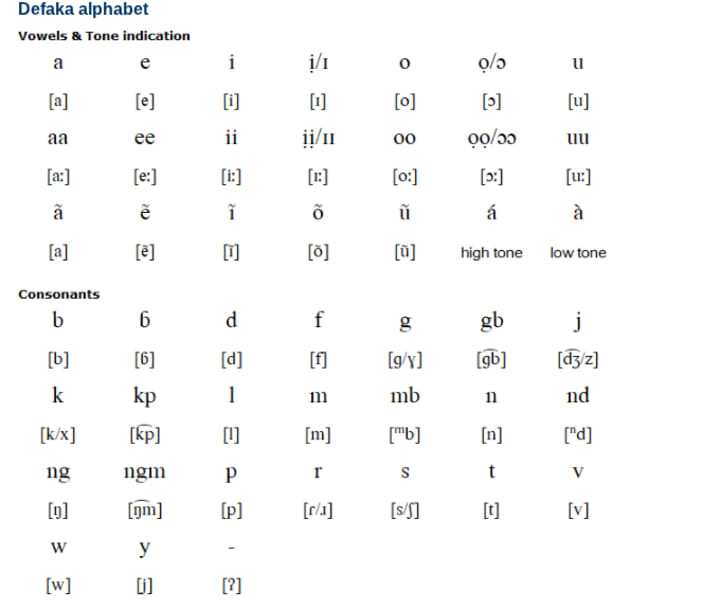
The Defaka language is spoken in the Opobo–Nkoro government area of Rivers State, Nigeria. Due to the small population of Defaka people in the area, as well as the domination of local languages such as Nkoroo, Defaka is in danger of extinction.
Dilling: definitely endangered
Warki
Language family: Nilo-Saharan
Native speakers: Approximately 13,000
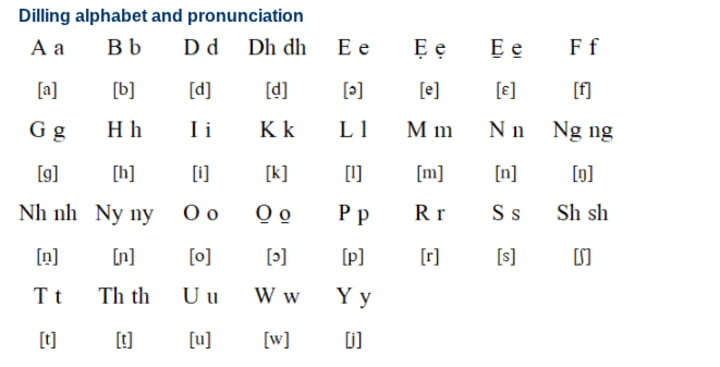
Dilling is a moribund language spoken in the Northwestern Nuba Mountains of Sudan. All speakers of Dilling are from older generations. All also speak Sudanese Arabic.
The Nuba peoples are indigenous to Southern Sudan, where they reside in villages in the foothills of the mountains. Here, they speak several Indigenous languages that are not closely related to one another.
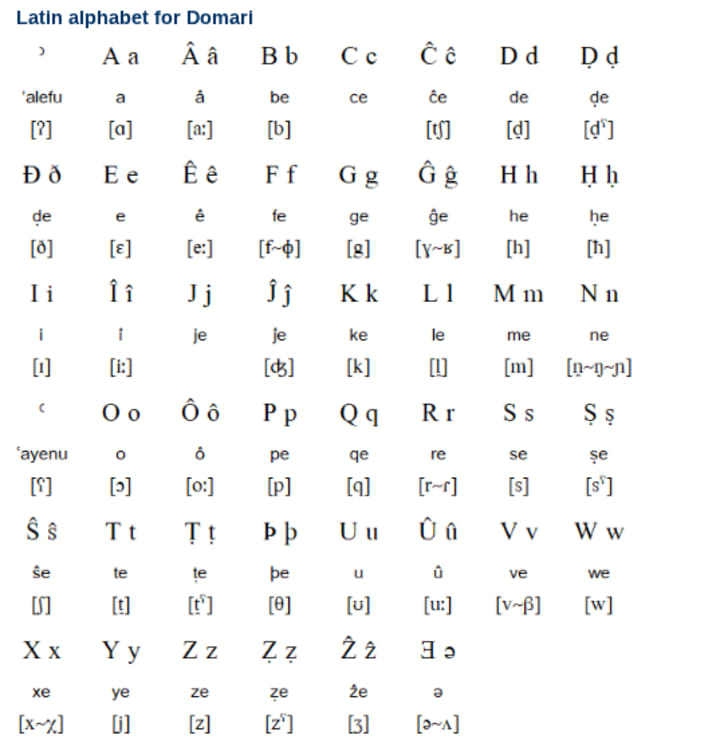
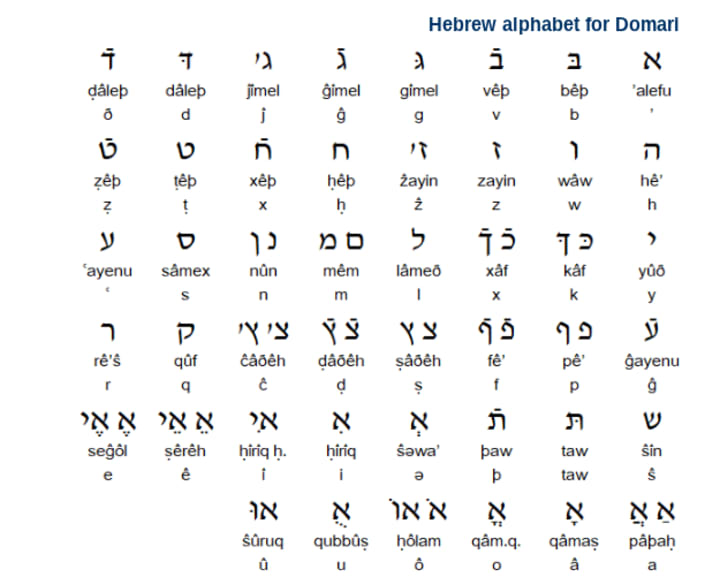
Domari: severely endangered
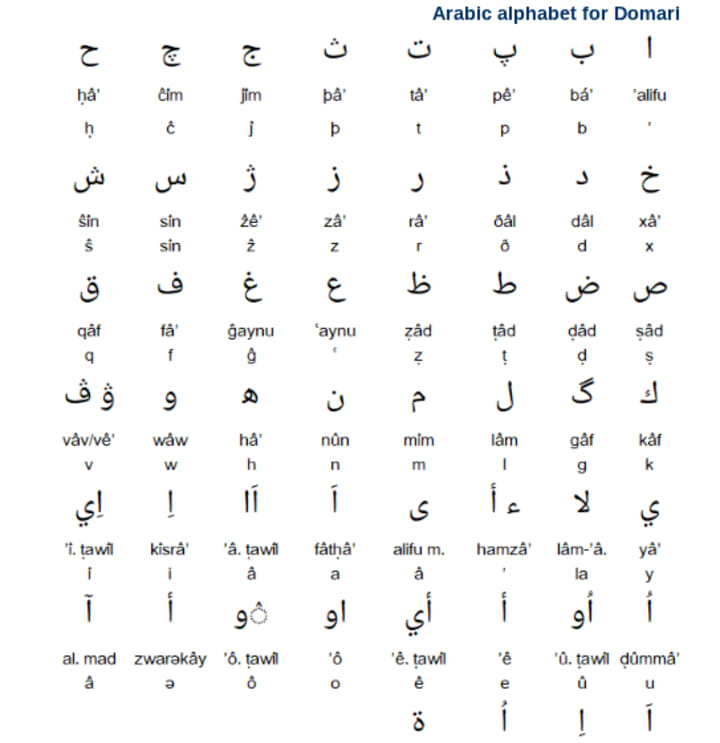
Dômarî / דּוֺמָרִי / دٛومَرِي
Language family: Indo-European
Native speakers: 280,000
The Dom, or Domi, people, are an Indo-Aryan ethnic group who originated in the Indian subcontinent. Modern Dom people reside in the Middle East and North Africa, particularly Egypt. Their language, Domari, is endangered due to societal pressure and the embrace of Arabic among younger generations.
G
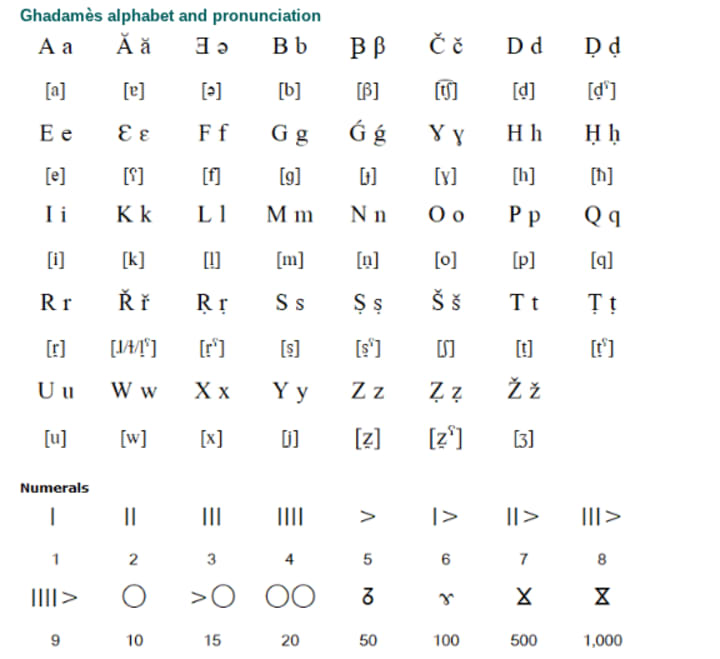
Ghadamès: vulnerable
Ɛdimes / Ɣdames
Language family: Afro-Asiatic
Native speakers: 17,000
The language of Ghadamès is spoken in the town it was named after: Ghadames, Northwestern Libya. It was first documented in the early 1900s by a scholar named Adolphe de Calassanti Motylinski.
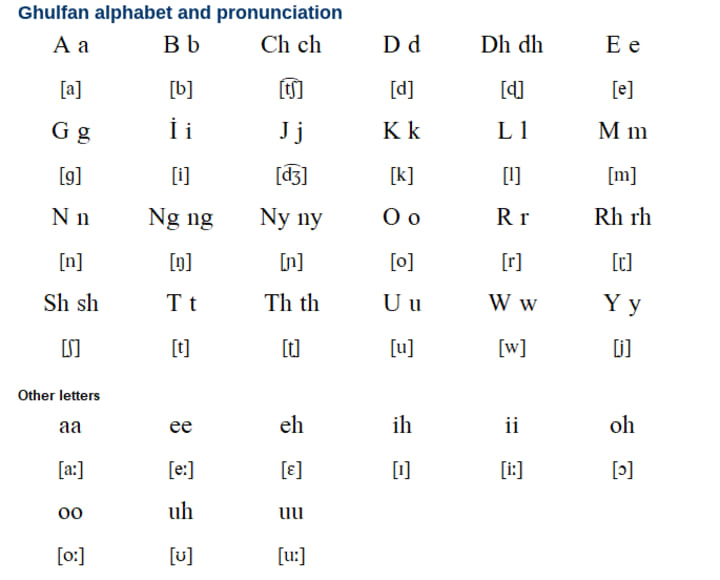
Ghulfan: severely endangered
Unchunwii
Language family: Nilo-Saharan
Native speakers: 40,000
Ethnologue reports that no monolingual speakers of Ghulfan are left, and younger generations mostly use Sudanese Arabic. Ghulfan is spoken in the central Nuba Mountains of Sudan, where the Ghulfan people live in villages.
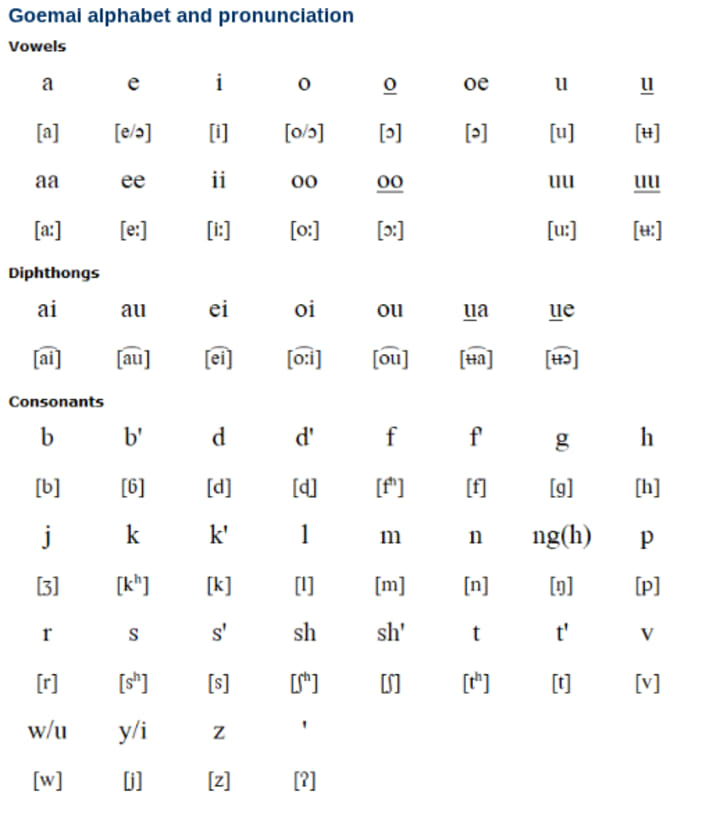
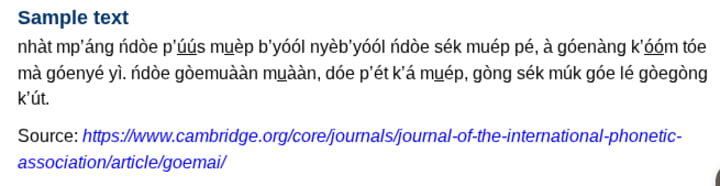
Goemai (Ankwe): vulnerable
Gamai
Language family: Afro-Asiatic
Native speakers: 380,000
Goemai is a Chadic language of Nigeria, spoken in Plateau State in the country's centre. Despite the large number of Goemai speakers in the region, the language is threatened by the dominance of Hausa.
H
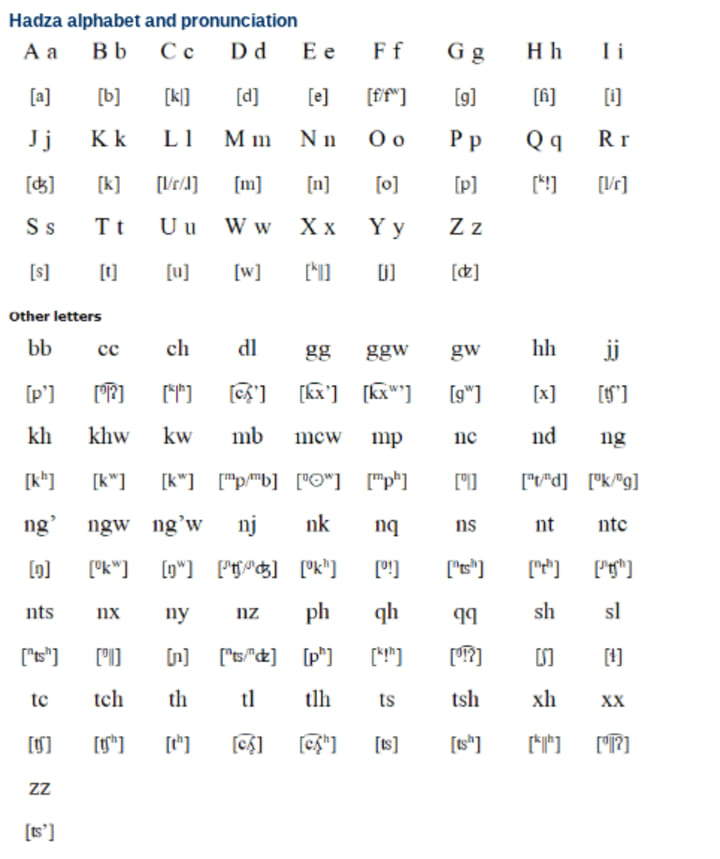
Hadza: vulnerable
Hadzane
Language family: None
Native speakers: Unknown; more than 1,000
Lake Eyasi is the largest body of water in Arusha District, Tanzania. Surrounding the lake, the federally-protected Hadza people have resided for thousands of years, foraging, hunting, and living together in camps. Their language, Hadza, is an isolated language, and one of only three East African languages with click consonants.
K
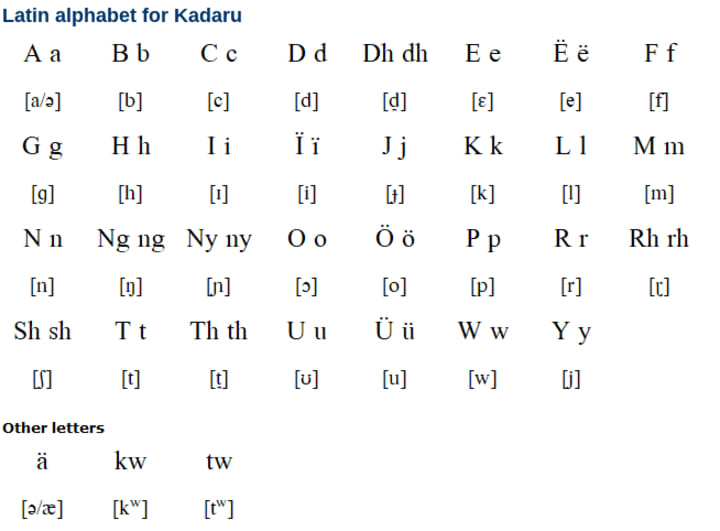
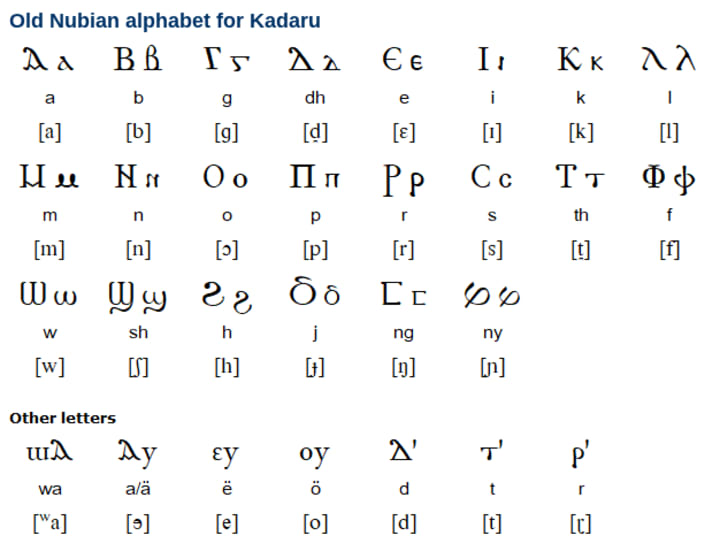
Kadaru: definitely endangered
Kodhin
Language family: Nilo Saharan
Native speakers: Less than 30,000
A close relative of Ghulfan, Kadaru is a Hill Nubian language of the Nuba Mountains in Sudan. It consists of about six dialects, but all are threatened due to the prominence of Arabic in the area.
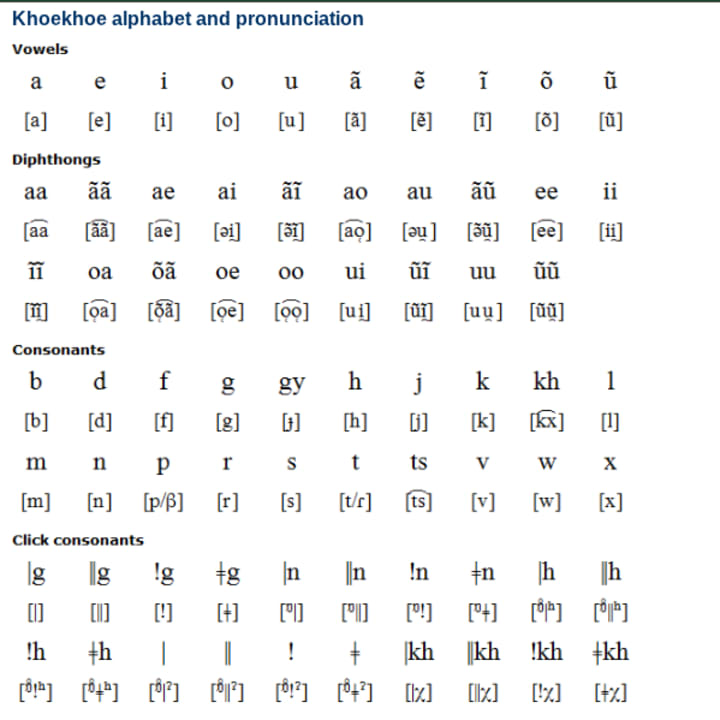
Khoekhoe: vulnerable
Khoekhoegowab
Language family: Khoe
Native speakers: Approximately 165,000
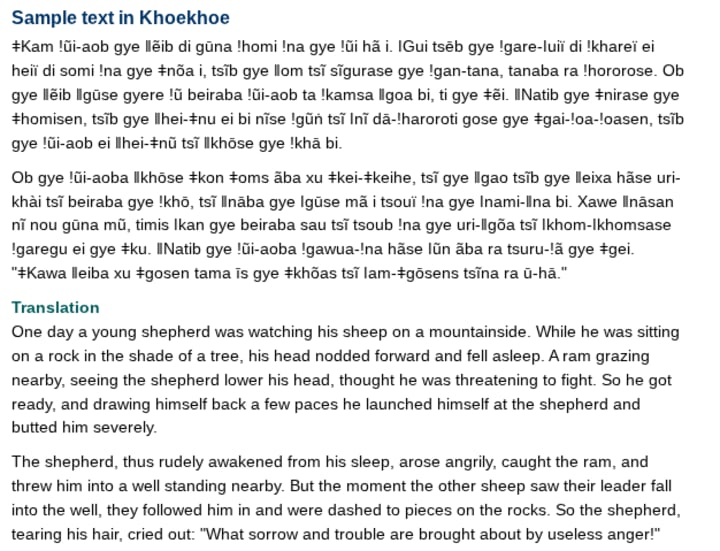
Despite its national language status in Namibia, it is estimated that only 167,000 Khoekhoe speakers are left in all of Africa. Spoken primarily in Namibia, Botswana, and South Africa, Khoekhoe uses click consonants. It is native to the Orange River and Namaqualand regions of South Africa. Khoekhoe is spoken by three Indigenous groups: the Nama, the Haiǁomkhoen, and the Damara peoples.
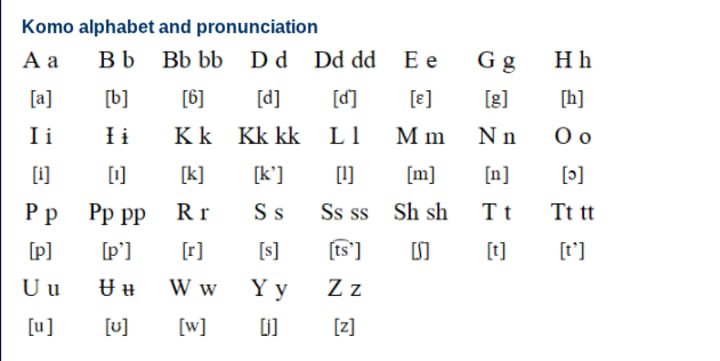
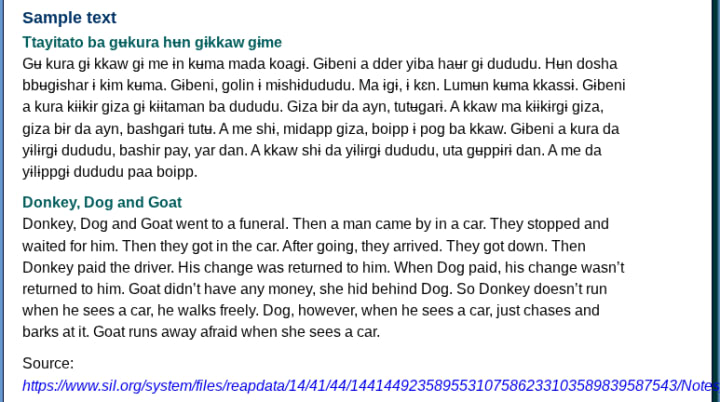
Komo: definitely endangered
Go-kwom / Tta Komo
Language family: Nilo-Saharan
Native speakers: Unknown; possibly 8,000-10,000
The Kwama peoples reside in the Benishangul-Gumuz Region of Ethiopia, where they hunt, cultivate sorghum, and gather honey. Komo language is endangered because of its proximity to other languages such as Oromo and Kwama. Such proximity also means that most speakers of Komo are multilingual.
M
Moro: definitely endangered
Dhimorong
Language family: Niger-Congo
Native speakers: 79,000
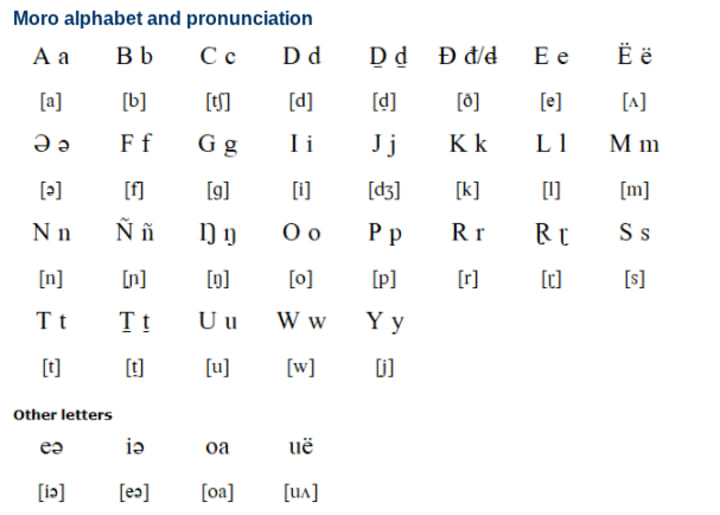
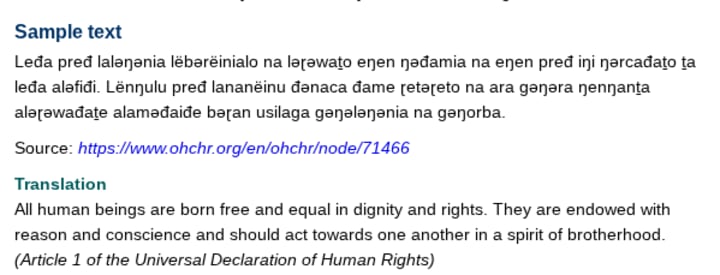
Moro is spoken in the Nuba Mountains region of South Kordofan state, Sudan. It contains seven dialects: Leyenia, Tobəɽelda, Uləba, Lənəbwa, Nḏërria, Ləmwarəŋ and Ləŋorəban. According to linguists, an estimated 25% of Moro vocabulary originated from Arabic.
P
Phuthi: definitely endangered
Síphùthì
Language family: Niger-Congo
Native speakers: 20,000 or less
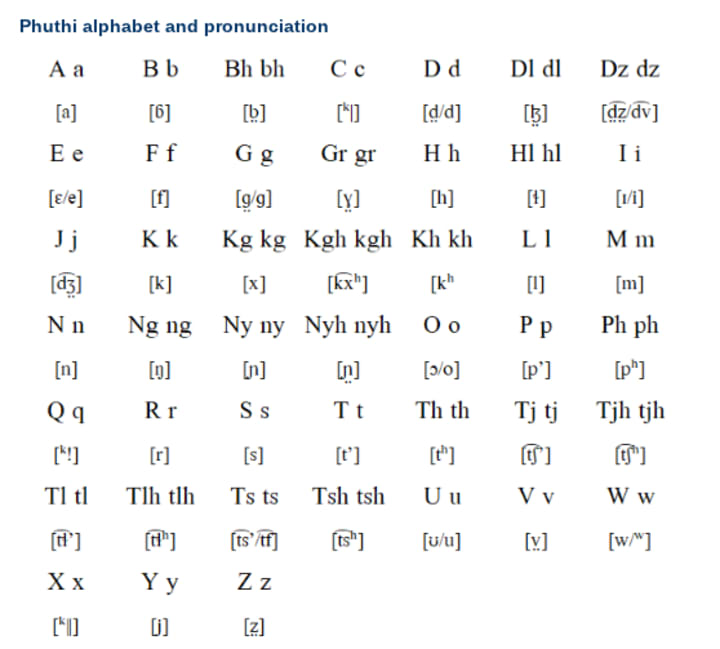
Phuthi is spoken in Southern Lesotho and areas of South Africa. Its closest language relative is Swati.
S
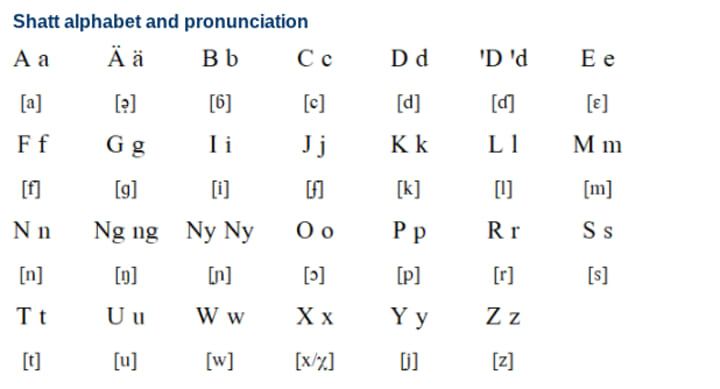
Shatt: severely endangered
Ikä Caning
Language family: Nilo-Saharan
Native speakers: 30,000 or less
Applied to several groups in the Nuba Mountains, Shatt is an Arabic word meaning "'dispersed'. Speakers refer to the language as ikä caning. Shatt is spoken by the Shatt peoples of the Nuba Mountains: southwest of Kaduqli, South Kordofan, Sudan.
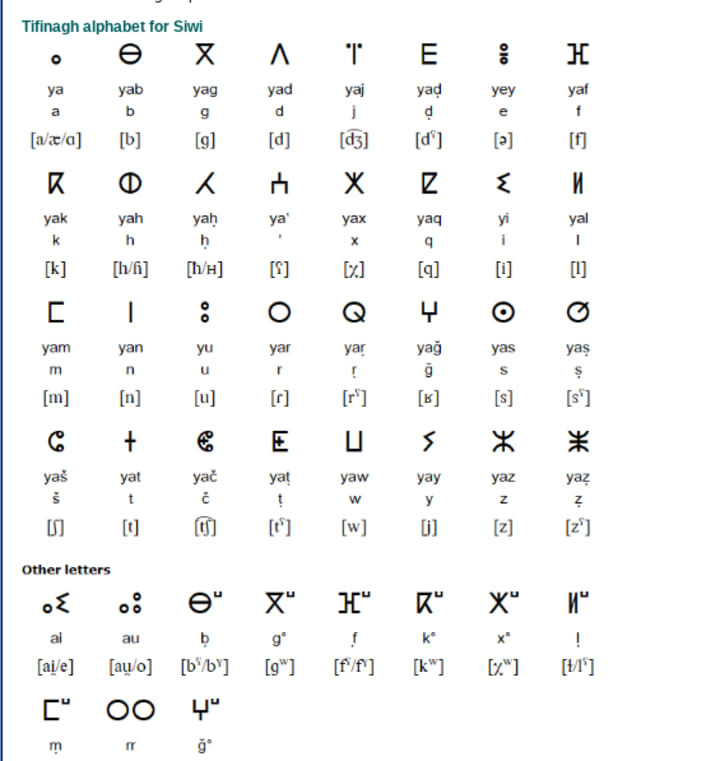
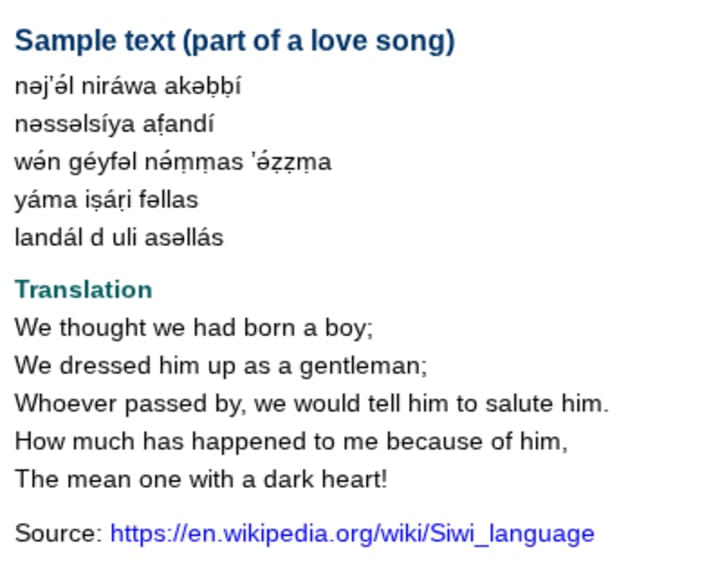
Siwi: definitely endangered
Jlan n Isiwan
Language family: Afro-Asiatic
Native speakers: Approximately 21,000
Siwi is the only Berber language indigenous to Egypt. Spoken in the the deserts of Siwa and Gara, it's the regular language among Egyptian Berbers, but its use is threatened by Egyptian Arabic.
Y
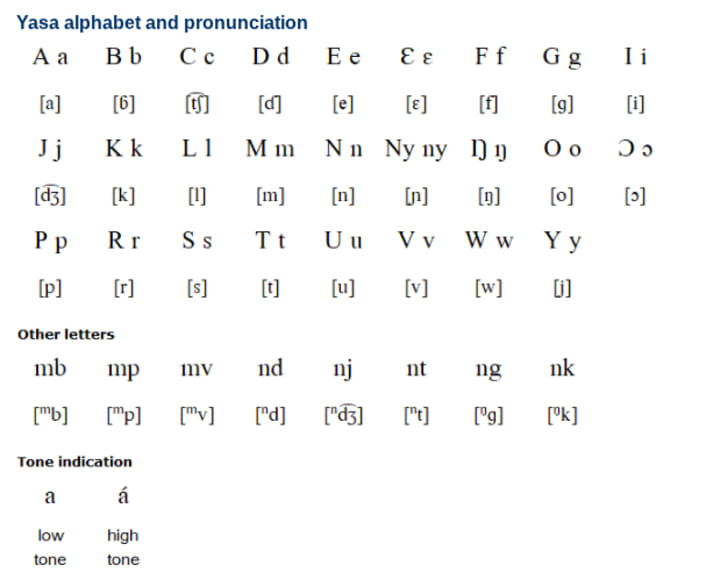
Yasa: definitely endangered
Bongwe
Language family: Niger-Congo
Native speakers: 3000 or less
Yasa is a language spoken in Cameroon and Equatorial Guinea by the Iyasa and Ndowe peoples. It goes by several different names and has around ten dialects: Bweko, Vendo, Bodole, Marry, One, Asonga, Bomui, Mogana, Mooma, and Mapanga. In Cameroon, Yasa is threatened by the prevalance of French in everyday conversation. In Equatorial Guinea, it is threatened by Spanish.
Z
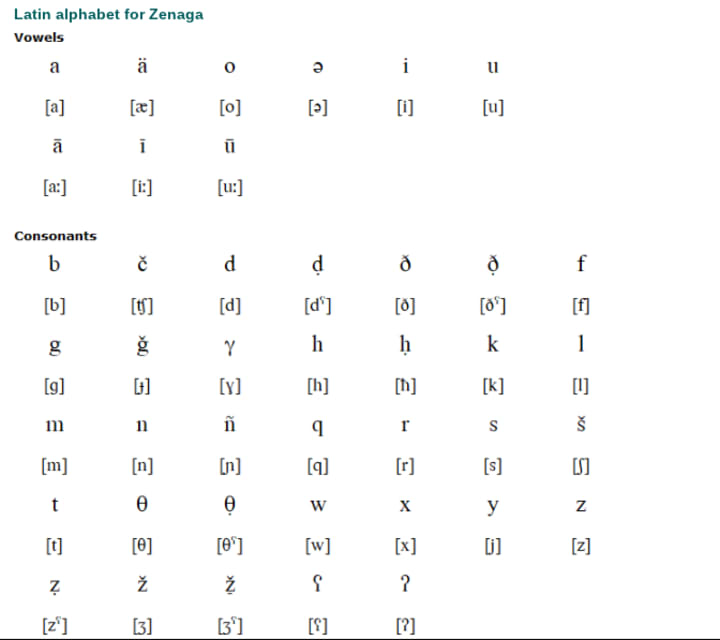
Zenaga: severely endangered
ⵜⵓⵥⵥⵓⵏⴳⵉⵢⵢⴰ (Tuẓẓungiyya)
Language family: Afro-Asiatic
Native speakers: Approximately 3,500
The name Zenaga comes from an ancient Amazigh tribe known as the Iznagen, who were known in Arabic as the Sanhaja. The Sanhaja ruled for many years over North Africa, and were defeated in a seventeenth century war by invading Maqil Arabs.
Sources & Further Reading
https://www.omniglot.com/writing/languages.htm
About the Creator
choreomania
i'm a queer author who writes about mental health, parenting, politics, geography, and history.
follow me on medium for more.
Reader insights
Outstanding
Excellent work. Looking forward to reading more!
Top insight
Expert insights and opinions
Arguments were carefully researched and presented
Keep reading
More stories from choreomania and writers in Humans and other communities.
Stop Killing Us.
In 2024, approximately 350 trans and gender non-conforming people were murdered in hate attacks around the world. Nine out of ten of these attacks were on trans people of colour: specifically Black trans women. And each year, the figures increase. As of February 20, 2025, eight new anti-trans bills have been passed in seven states. It's aggravating, isn't it? In 2024, there were nearly five hundred mass shootings in the United States. People are dying because they cannot afford medications that will save their lives. Climate change is heating up the Arctic twice as fast as anywhere else on Earth. Yet, all anyone cares about is taking away the rights of trans people.
By choreomania11 months ago in Humans
Autonomy Is The Real Privilege
Good morning, freedom-seekers! Today we’re gonna be looking at autonomy. A strange word, I know; one many would probably look at blankly and run away from on sight. We’re gonna figure out what it actually means, consider how it’s achieved, and decipher just how deeply most of us are tangled up in dependence without realising it.
By That ‘Freedom’ Guy4 days ago in Humans



Comments (1)
This is fascinating! I'm impressed by the subject matter itself, in addition to how well you make it understandable. I've never been outside the United States. Besides people like myself who speak only English, the only other language I ever hear is Spanish. Great article! ⚡️💙 Bill⚡️