

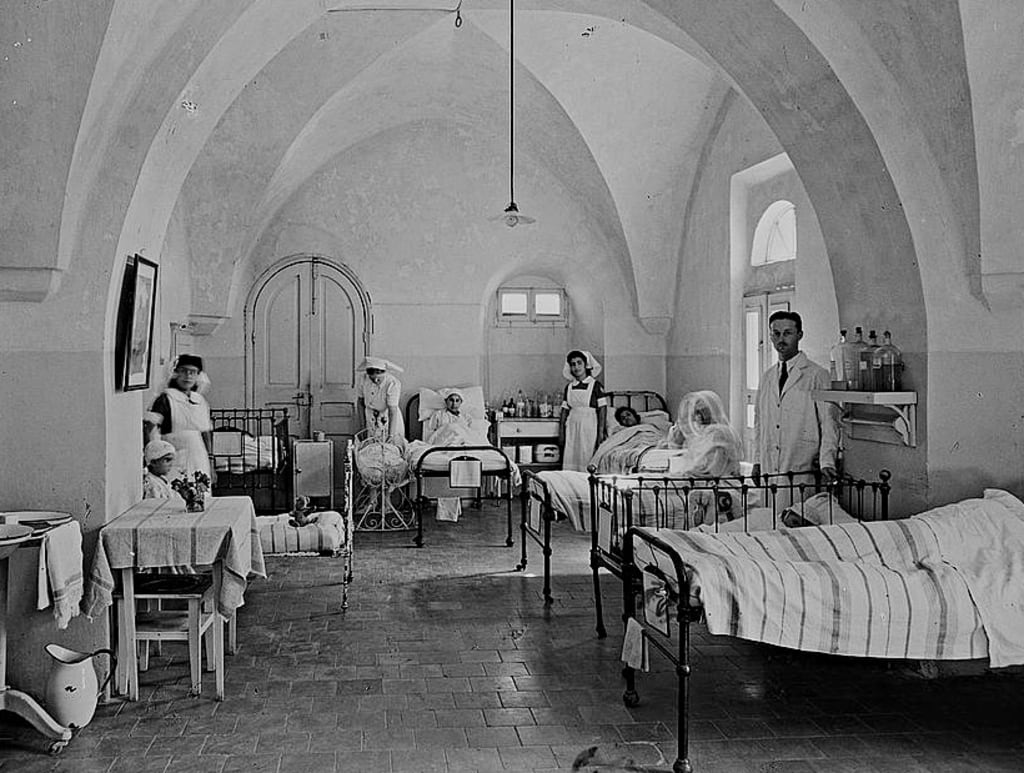
The "white death" has been a shadow over humanity for countless millennia, trailing us as we tamed fire, crafted cultures, and ventured from Africa to explore the world. In 1815, it was responsible for one in every four deaths in Britain, and over the past two centuries, it has claimed a billion lives—more than all wars and natural disasters combined. Even now, it's the deadliest infectious disease on Earth.
But what is the "white death"? It’s caused by Mycobacterium tuberculosis, the bacterium responsible for tuberculosis (TB), a relentless foe. Today, one in four people is infected with TB, and you could be among them.
Why don't we hear more about TB? The "white death" is a masterful predator: highly infectious yet often silent, avoiding reckless killing. It’s adapted perfectly to our immune systems and is exceptionally hard to eradicate.
How does TB exert its power? This bacterium typically enters through the airways and establishes itself in the lungs, a complex environment guarded by billions of macrophages. These powerful cells normally destroy invaders, but TB has evolved to withstand their attacks. It thrives inside macrophages, using them as hosts while slowly replicating.
Unlike other microbes that multiply rapidly, TB reproduces slowly, maintaining a balance that allows it to persist within its host. When the host cell dies, the bacteria spread to new macrophages. The immune response to these dead cells leads to the formation of granulomas—white blobs consisting of infected and dead cells, surrounded by immune cells trying to contain the infection. This creates a long-term stalemate where the infection remains dormant but present in up to two billion people. However, in about one in ten cases, the disease becomes active.
Active tuberculosis is a slow-developing emergency. When granulomas burst, the immune system responds intensely, causing severe lung damage. This leads to coughing, sometimes with blood, spreading the bacteria to others. The infection can cause fever, weight loss, and a significant decline in overall health. If not adequately treated, TB can slowly consume the body over months or years, particularly devastating children or individuals with weakened immune systems. In 2023 alone, 1.3 million people succumbed to this disease.
Tuberculosis is a chronic problem, unlike rapid outbreaks such as COVID-19, which prompt immediate global responses. The slow progression of TB means its symptoms are often mild for extended periods, causing people to underestimate the danger.
TB doesn't aim to kill its host quickly; its goal is survival and spread. It capitalizes on human behavior, infecting those in close contact with the patient, such as family, friends, and colleagues. During the COVID-19 pandemic, the average patient infected 2-3 others, whereas an active TB patient can infect 5-15 people annually.
Transmission mainly occurs through inhaling droplets from coughs or sneezes, which is prevalent in overcrowded, poorly-ventilated environments. This explains the surge of TB during the Industrial Revolution and its continued prevalence in densely populated areas today.
Modern medicine can cure most active TB cases with a four-month course of four antibiotics. Yet, TB remains the deadliest infectious disease. The issue lies in distribution and access to treatment. While TB is nearly eradicated in much of Europe, the US, and the Middle East, it persists as a major threat in many parts of the world.
In 2022, two-thirds of TB cases were found in six countries: India, China, Indonesia, the Philippines, Pakistan, and Nigeria. Nearly half of the deaths occurred in Southeast Asia. The slow nature of TB, similar to climate change, has led to its neglect, allowing antibiotic-resistant strains to emerge while drug development has stagnated.
Between 1940 and 1965, eight drug classes were developed to treat TB, but none emerged in the 47 years following. High costs and lack of a coordinated eradication effort contributed to this gap. Although an old vaccine exists, it’s not particularly effective. However, recent advances since 2012 have introduced new drug classes and potential vaccines.
The development of a rapid TB test akin to those for COVID-19 offers a promising tool in the fight against this disease. We now have an opportunity to push TB back significantly, but it requires awareness and concerted effort.
A century ago, TB was a leading cause of death in the United States, with numerous hospital beds dedicated to its patients. Through sustained efforts, it became manageable, and we can achieve this again worldwide.
Every day, 4,000 people die from tuberculosis. This is an unnecessary tragedy given our knowledge and tools to combat the disease. After millions of years with us, it’s time to leave the "white death" behind.
To learn more about tuberculosis and how you can contribute to its eradication, visit Partners in Health at pih.org/programs/tuberculosis. They are at the forefront of clinical trials and care delivery, striving to eliminate this ancient enemy.
About the Creator
How To Recover Emotionally After Being Cheated On Completely
Infidelity is one of the most heart-breaking experiences in the relationship. The primary part of recovery involves accepting that you are in pain and that you are not minimizing or ignoring the pain. Stifling of emotions may lengthen the agony and make real healing impossible. Getting used to betrayal will enable you to discuss your anger, sadness, confusion, and loss which is critical in recovering emotions.
By Mark Hipster4 days ago in Humans
📢 Raise Your Voice Thread: 03/05/2026
Our “Raise Your Voice Threads” are hosted most alternating Thursdays at 12PM ET to offer creators more avenues to uncover exceptional stories on Vocal. As we are continuously searching for fresh creators and inspiring stories, this thread provides an opportunity to exchange and discuss the stories that have moved and motivated us on Vocal.
By Raise Your Voice by Vocal5 days ago in Resources




Comments (2)
Well written
This was an interesting article on a disease that was still somewhat predominant when I was a child.