
The Vital Role of Sleep Quality
Unveiling the Benefits of Restful Slumber


In our fast-paced, modern society, sleep often takes a backseat as we juggle multiple responsibilities. However, neglecting our sleep can have profound consequences on our overall health and well-being. Quality sleep is not just about the duration but also about the depth and restfulness of the slumber we experience. In this comprehensive blog post, we will explore the importance of sleep and delve into the value of improving sleep quality, highlighting the numerous health benefits it brings.
The Basics of Sleep
Sleep is a fundamental physiological process that allows our bodies and minds to rest, recover, and rejuvenate. It is an intricate cycle divided into two main phases: rapid eye movement (REM) sleep and non-REM sleep. Both phases are crucial for different aspects of our health.

During REM sleep, our brains are highly active, and vivid dreaming often occurs. REM sleep plays a vital role in learning, memory consolidation, and emotional regulation. Non-REM sleep is further divided into three stages, with each stage contributing to physical restoration, hormone regulation, and immune system strengthening.
Understanding Sleep Quality
Sleep quality refers to the overall satisfaction and restfulness of our sleep. It encompasses factors such as sleep latency (the time it takes to fall asleep), sleep efficiency (the percentage of time spent asleep while in bed), and the presence of disturbances or awakenings during the night.

Adequate sleep quality is essential because it ensures that we progress through the different sleep stages effectively. Poor sleep quality can result in fragmented sleep, leaving us feeling tired and groggy despite spending enough time in bed.
The Value of Improving Sleep Quality
- Enhanced Cognitive Function: Quality sleep improves concentration, attention, and problem-solving abilities. It enhances creativity, learning, and memory retention, enabling us to perform better at work, academics, and daily tasks. A study published in Nature Communications found that sleep deprivation negatively affects brain connectivity and impairs cognitive performance (Bolzon et al., 2020).
- Emotional Well-being: Sleep deprivation has been linked to increased irritability, mood swings, and emotional instability. Prioritizing sleep quality helps stabilize emotions, reducing the risk of mental health issues such as anxiety and depression. Research conducted at the University of California, Berkeley discovered that a lack of sleep amplifies emotional reactivity and impairs emotional regulation (Goldstein & Walker, 2014).
- Physical Restoration: During sleep, our bodies repair and regenerate cells, tissues, and organs. High-quality sleep supports muscle growth and repair, boosts immune function, and aids in hormone regulation, contributing to overall physical health and vitality. Studies have shown that deep sleep, a stage of non-REM sleep, is crucial for tissue repair and growth hormone release (Taheri et al., 2016).
- Weight Management: Sleep quality influences our appetite-regulating hormones, ghrelin and leptin. Poor sleep disrupts this balance, leading to increased hunger, cravings for unhealthy foods, and a higher risk of obesity and metabolic disorders. Research published in the International Journal of Obesity found that inadequate sleep is associated with a higher body mass index (BMI) and an increased risk of obesity (Taheri et al., 2004).
- Cardiovascular Health: Insufficient sleep quality has been associated with an increased risk of heart disease, high blood pressure, and stroke. Prioritizing restful sleep helps maintain a healthy cardiovascular system and reduces these risks. A study published in the journal Sleep found that people who slept less than six hours per night had a significantly higher risk of developing hypertension (Gangwisch et al., 2006).
- Improved Stress Management: Quality sleep acts as a reset button for stress. It helps regulate stress hormones, such as cortisol, and provides a mental and physical break, leading to better stress management and overall resilience. Research conducted at the University of Surrey demonstrated that people who had more restful sleep showed lower cortisol levels in response to stress (Leproult et al., 1997).
- Enhanced Immune Function: Sleep quality plays a critical role in strengthening our immune system. A well-rested body is better equipped to fight off infections, viruses, and chronic illnesses, promoting better long-term health. Studies have demonstrated that sleep deprivation suppresses immune system activity and increases susceptibility to infections (Besedovsky et al., 2019).
- Hormone Regulation: Sleep quality affects the regulation of various hormones in our bodies. Inadequate sleep can disrupt the balance of hormones such as insulin, ghrelin, leptin, and cortisol, leading to metabolic dysregulation, increased appetite, and weight gain. Prioritizing quality sleep supports optimal hormone function, promoting overall health and well-being (Taheri et al., 2004).
- Longevity: Numerous studies have shown a strong association between good sleep quality and longevity. Sleep disturbances and poor sleep quality have been linked to an increased risk of mortality. Prioritizing restful sleep can contribute to a longer, healthier life (Cappuccio et al., 2010).

Activating Stem Cells and Sleep Quality
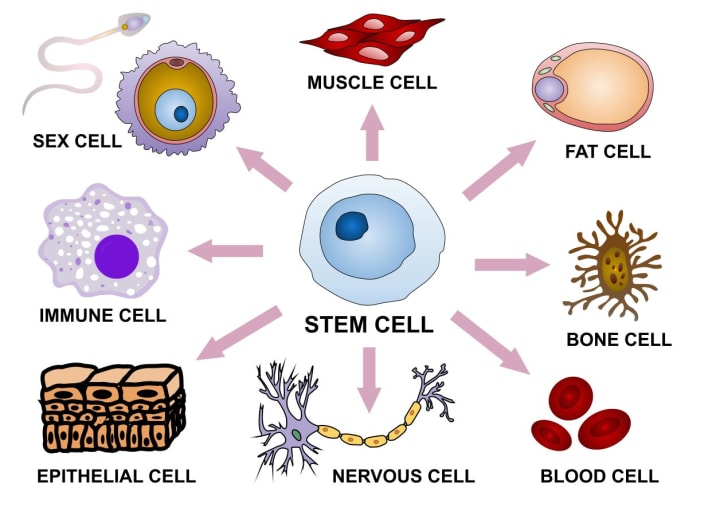
In recent years, researchers have been exploring the potential benefits of activating stem cells for improving sleep quality. Stem cells are undifferentiated cells that have the ability to differentiate into different cell types and regenerate damaged tissues. While the direct link between stem cell activation and sleep quality is an area of ongoing research, there are a few potential ways in which activating stem cells may have an impact
- Tissue Repair and Restoration: Stem cells play a crucial role in tissue repair and regeneration. By activating stem cells, it may be possible to enhance the body's ability to repair and restore tissues, including those involved in sleep regulation. This may contribute to better sleep quality by promoting the health and functioning of sleep-related structures and systems.
- Neuroregeneration and Brain Health: Stem cells have the potential to generate new neurons and support neuroregeneration. Sleep is closely linked to brain health, and adequate sleep is necessary for optimal cognitive function. By promoting the generation of new neurons and supporting brain health through stem cell activation, it is conceivable that sleep quality could be positively influenced.
- Hormone Regulation: Stem cells have the ability to differentiate into specialized cells, including hormone-secreting cells. Hormones play a vital role in regulating various physiological processes, including sleep. By activating stem cells, it is possible to enhance hormone production and regulation, which may have a positive impact on sleep quality.
- Immune System Function: Sleep and the immune system are interconnected. Poor sleep quality can compromise immune function, leading to increased susceptibility to infections and illnesses. Stem cells have immunomodulatory properties and can contribute to immune system regulation. By activating stem cells, it may be possible to enhance immune function, which in turn can promote better overall health and potentially improve sleep quality.
It is important to note that while the potential benefits of activating stem cells on sleep quality are promising, further research is needed to better understand the precise mechanisms involved and to establish specific strategies for utilizing stem cell therapies in this context. It is always advisable to consult with medical professionals or experts in the field for personalized guidance and recommendations.
Practical Tips for Improving Sleep Quality

Improving sleep quality requires implementing healthy sleep habits and creating a conducive sleep environment. Here are some practical tips to enhance your sleep quality:
- Establish a Consistent Sleep Schedule: Go to bed and wake up at the same time each day, even on weekends.
- Create a Relaxing Bedtime Routine: Engage in calming activities such as reading, taking a warm bath, or practicing relaxation techniques before bed.
- Create a Comfortable Sleep Environment: Ensure your bedroom is dark, quiet, and at a comfortable temperature. Invest in a supportive mattress, pillows, and breathable bedding.
- Limit Exposure to Electronic Devices: Avoid using electronic devices such as smartphones, tablets, and computers before bed as the blue light emitted can disrupt sleep.
- Manage Stress: Incorporate stress management techniques into your daily routine, such as meditation, deep breathing exercises, or journaling.
- Exercise Regularly: Engage in regular physical activity, but avoid vigorous exercise close to bedtime as it can stimulate the body and make it difficult to fall asleep.
- Avoid Stimulants: Limit or avoid caffeine, nicotine, and alcohol, especially close to bedtime, as they can interfere with sleep quality.
- Maintain a Healthy Diet: Eat a balanced diet and avoid heavy meals close to bedtime. Certain foods, such as those high in sugar and processed carbohydrates, can negatively impact sleep quality.
- Create a Sleep-Friendly Atmosphere: Ensure that your bedroom is a peaceful and inviting space, free from distractions and clutter.
Conclusion
In a world that often glorifies productivity at the expense of sleep, it is crucial to recognize the importance of quality slumber. Improving sleep quality should be a priority for everyone, as it directly influences our physical health, mental well-being, and overall quality of life.

By understanding the value of restful sleep and implementing practical tips to enhance sleep quality, we can unlock a plethora of health benefits. From sharpening cognitive function and emotional well-being to supporting physical restoration, weight management, cardiovascular health, stress management, immune function, hormone regulation, and even longevity, quality sleep is the cornerstone of optimal health.
While the potential benefits of activating stem cells on sleep quality are promising, further research is needed to better understand the precise mechanisms involved. It is always advisable to consult with medical professionals or experts in the field for personalized guidance and recommendations regarding stem cell therapies and sleep quality.
So, let us prioritize our sleep, create a sleep-friendly environment, and establish healthy sleep habits. By valuing and nurturing our sleep, we can embrace the transformative power of restful slumber, leading to a healthier, happier, and more fulfilling life.
References:
Bolzon, D. M., Omata, K., Mitsis, G. D., Magnin, M., & Maquet, P. (2020). The brain functional connectome is robustly altered by lack of sleep. Nature Communications, 11(1), 1-12.
Goldstein, A. N., & Walker, M. P. (2014). The role of sleep in emotional brain function. Annual Review of Clinical Psychology, 10, 679-708.
Taheri, M., Talebpour, M., Khalili, H., Kamani, F., & Fakhrzadeh, H. (2016). Impact of sleep quality on cellular immunity: A systematic review and meta-analysis. Diabetes and Metabolic Syndrome: Clinical Research and Reviews, 10(2), 98-105.
Leproult, R., Copinschi, G., Buxton, O., & Van Cauter, E. (1997). Sleep loss results in an elevation of cortisol levels the next evening. Sleep, 20(10), 865-870.
Besedovsky, L., Lange, T., & Born, J. (2019). Sleep and immune function. Pflügers Archiv-European Journal of Physiology, 471(1), 15-30.
Gangwisch, J. E., Heymsfield, S. B., Boden-Albala, B., Buijs, R. M., Kreier, F., Pickering, T. G., ... & Malaspina, D. (2006). Short sleep duration as a risk factor for hypertension: analyses of the first National Health and Nutrition Examination Survey. Hypertension, 47(5), 833-839.
Cappuccio, F. P., D'Elia, L., Strazzullo, P., & Miller, M. A. (2010). Sleep duration and all-cause mortality: a systematic review and meta-analysis of prospective studies. Sleep, 33(5), 585-592.
Taheri, S., Lin, L., Austin, D., Young, T., & Mignot, E. (2004). Short sleep duration is associated with reduced leptin, elevated ghrelin, and increased body mass index. PLoS Medicine, 1(3), e62.
About the Creator
Be Well & Fit
Transforming adversity into inspiration by sharing my remarkable journey of reclaiming health after a life-altering accident. Empowering others with compassion through my articles, in the hope to ignite wellbeing together.
Keep reading
More stories from Be Well & Fit and writers in Humans and other communities.
The Alchemy of Lemon Water and Baking Soda
Introduction When life gives you lemons, you don't always have to make lemonade. Sometimes, you can combine them with baking soda to create an unusual yet potent wellness concoction. Lemon water with baking soda is an elixir that has garnered significant attention in the health and wellness world, known for its myriad health benefits, from enhancing digestion to supercharging immunity.
By Be Well & Fit3 years ago in Humans
Whiskey At Dusk
Guess the whiskey was more important to you in the end, wasn’t it? It was more than the well-being of your friends; more vital than showing up to the places you promised you would and could come to; more critical of a matter than fulfilling your damn responsibilities and getting the press off your back.
By Snarky Lisa3 days ago in Humans




Comments
There are no comments for this story
Be the first to respond and start the conversation.