
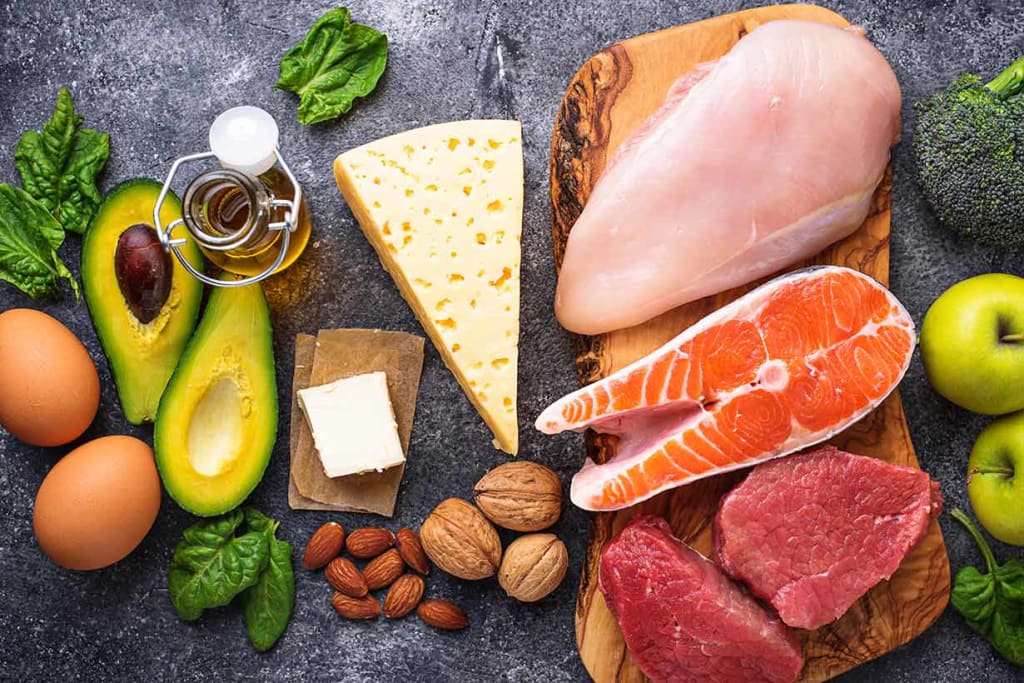
The Ultimate Keto Meal Plan: A Guide to Achieving Optimal Health
The ketogenic diet, or keto diet, is a high-fat, low-carbohydrate diet that has gained immense popularity in recent years. The goal of this diet is to induce a metabolic state called ketosis, where the body uses fat as its primary source of energy instead of carbohydrates. While many people turn to the keto diet for weight loss, it has been found to have numerous other health benefits as well, such as improved cognitive function, reduced inflammation, and better heart health.
To make the most of the ketogenic diet, it's important to follow a balanced meal plan that provides all the necessary nutrients while still keeping carb intake low. In this article, we will provide you with a comprehensive guide to the ultimate keto meal plan, including what to eat, what to avoid, and how to ensure you're getting all the nutrients your body needs.
- What to Eat on the Keto Diet:
The ketogenic diet is based on the principle of reducing carbohydrate intake and increasing fat intake to induce ketosis. A typical keto diet should consist of 70-75% fat, 20-25% protein, and 5-10% carbohydrates. Here are some of the foods you should include in your diet:
Healthy Fats: Avocado, olive oil, coconut oil, butter, ghee, and fatty fish such as salmon are all great sources of healthy fats that are essential to the keto diet.
Meat and Poultry: Grass-fed beef, chicken, turkey, pork, and other meats are high in protein and low in carbohydrates, making them an excellent choice for the keto diet.
Eggs: Eggs are a versatile and nutrient-dense food that are rich in protein, healthy fats, and many essential vitamins and minerals.
Dairy Products: Full-fat dairy products such as cheese, heavy cream, and sour cream are all excellent sources of healthy fats and can be incorporated into the keto diet.
Low-Carb Vegetables: Leafy greens, broccoli, cauliflower, zucchini, and other low-carb vegetables are a great way to add fiber, vitamins, and minerals to your diet while keeping carbohydrate intake low.
- What to Avoid on the Keto Diet:
While there are many foods you can eat on the keto diet, there are also some foods that you should avoid. Here are some of the foods to limit or avoid on the keto diet:
Sugary Foods: Foods high in sugar, such as candy, cookies, and soda, should be avoided on the keto diet as they are high in carbohydrates and can interfere with ketosis.
Starchy Foods: Foods such as bread, pasta, potatoes, and rice are all high in carbohydrates and should be limited or avoided on the keto diet.
Processed Foods: Processed foods, such as crackers, chips, and packaged snacks, are often high in carbohydrates and artificial ingredients and should be avoided on the keto diet.
High-Carb Fruits: Fruits such as bananas, grapes, and tropical fruits are high in carbohydrates and should be limited on the keto diet.
- Ensuring Adequate Nutrient Intake:
While the ketogenic diet has many benefits, it can also be challenging to ensure adequate nutrient intake, especially for certain vitamins and minerals. Here are some tips for ensuring you're getting all the nutrients your body needs:
Increase Vegetable Intake: Leafy greens and other low-carb vegetables are a great way to add fiber, vitamins, and minerals to your diet. Try to include a variety of vegetables in your meals to ensure that you're getting a wide range of nutrients.
Incorporate Healthy Fats: Healthy fats are an essential part of the ketogenic diet and can help you feel full and satisfied between meals. In addition to healthy oils and fatty fish, consider incorporating nuts and seeds into your diet for an additional source of healthy fats and fiber.
Eat Adequate Protein: Protein is essential for building and repairing tissues, and it is important to ensure you're getting enough on the keto diet. Choose high-quality sources of protein, such as grass-fed beef, poultry, eggs, and fatty fish, and aim to include them in every meal.
Supplement as Needed: While it is best to get your nutrients from whole foods, sometimes it may be necessary to supplement with certain vitamins and minerals. Consider taking a multivitamin and mineral supplement to ensure that you're getting adequate amounts of essential nutrients.
Stay Hydrated: Staying hydrated is important on any diet, but it's especially important on the ketogenic diet. Make sure to drink plenty of water throughout the day and consider adding electrolyte-rich drinks, such as coconut water, to your diet to help maintain proper hydration levels.
- Sample Keto Meal Plan
Here is a sample keto meal plan to get you started:
- Breakfast:
- 3 scrambled eggs with cheese and avocado
- 2 strips of bacon
- 1 cup of coffee with heavy cream
2. Lunch:
- Grilled chicken breast with mixed greens salad and olive oil dressing
- 1/4 cup of mixed nuts
3. Dinner:
- Grilled salmon with steamed broccoli and melted butter
- 1/2 avocado with sea salt
Snacks:
- Hard-boiled eggs
- Cheese and meat roll-ups
- Berries with whipped cream
In summary, The ketogenic diet has many potential benefits, but it is important to follow a well-balanced meal plan to ensure that you're getting all the nutrients your body needs. By including plenty of healthy fats, high-quality protein, and low-carb vegetables, and limiting or avoiding high-carb foods, you can achieve optimal health and reach your goals on the ketogenic diet. Remember to supplement as needed and stay hydrated, and you'll be well on your way to success on the ultimate keto meal plan.
About the Creator
Whiskey At Dusk
Guess the whiskey was more important to you in the end, wasn’t it? It was more than the well-being of your friends; more vital than showing up to the places you promised you would and could come to; more critical of a matter than fulfilling your damn responsibilities and getting the press off your back.
By Snarky Lisa7 days ago in Humans
The Emotional Cost Of Ghosting And Sudden Romantic Disappearances
Ghosting has now been an everyday occurrence in dating, particularly with the emergence of online dating and dating apps. Humans are able to establish emotional attachment within a short period of time only to find the other party vanish without any notice. This is a silent denouement, which makes people puzzled and emotionally disoriented. In the absence of closure, the mind finds it hard to process the wrong that took place. Most conversations are replayed, trying to find the errors and even thinking they are the cause of the disappearance. The emotional blow is even more powerful than a blunt refusal since the not knowing makes one uncertain and desirous of answers but this is not the case.
By Kellee Bernier5 days ago in Humans



Comments
There are no comments for this story
Be the first to respond and start the conversation.