
The Ultimate Guide to HydraFacial: Why It’s a Game-Changer for Your Skin
Everything You Need to Know About the Treatment That Cleanses, Hydrates, and Transforms Your Skin—All in One Session
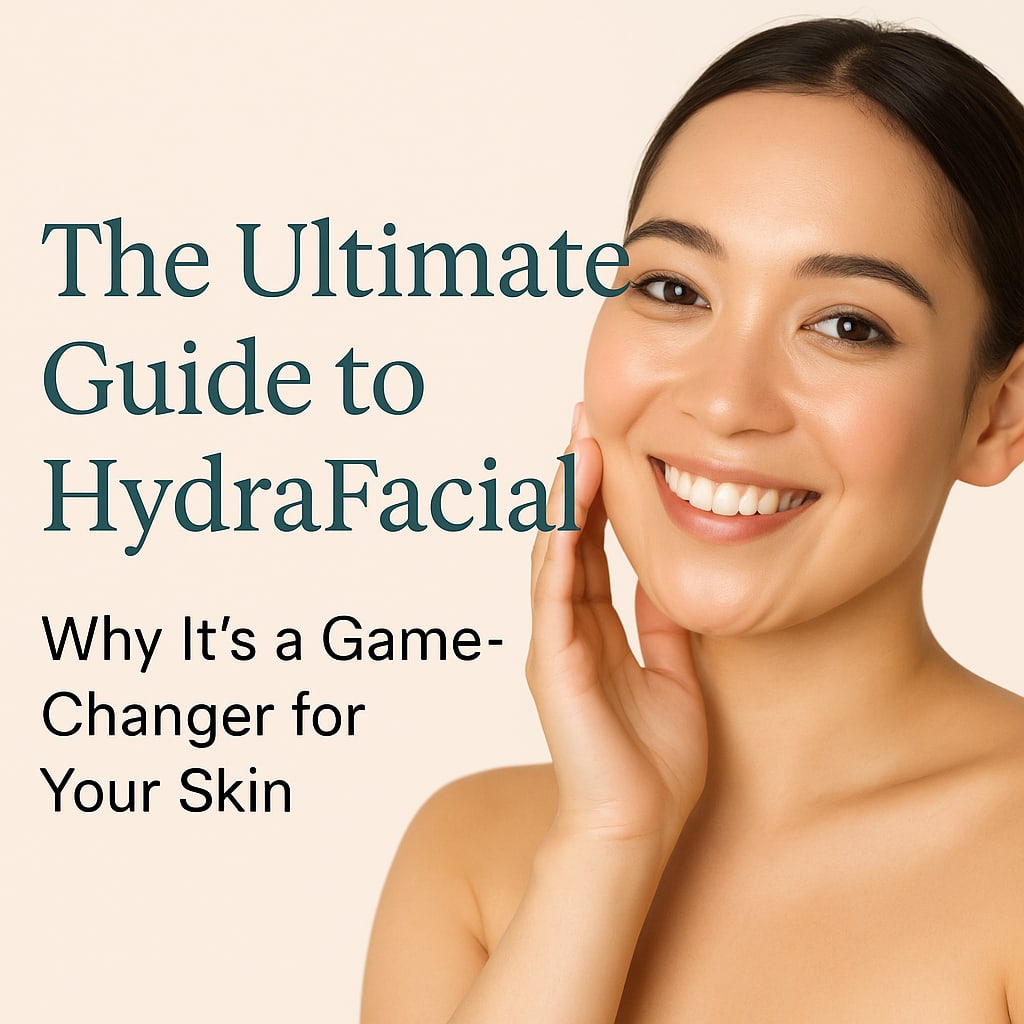
In today’s fast-paced world, skincare has become more important than ever. Between exposure to pollution, stress, UV rays, and screen time, our skin takes a daily beating. While a solid at-home skincare routine is helpful, sometimes your skin needs more than just a cleanser and moisturizer. That’s where advanced treatments like HydraFacial come into play. Known for delivering instant glow and long-term results, HydraFacial has quickly become one of the most popular facial treatments across medspas and dermatology clinics.
In this detailed guide, you’ll learn what a HydraFacial is, how it works, its key benefits, who it’s best suited for, and how often you should consider it as part of your skincare routine.
What Is a HydraFacial?
HydraFacial is a non-invasive, multi-step skin treatment designed to deeply cleanse, exfoliate, extract, and hydrate the skin. What sets HydraFacial apart from other facial treatments is its patented vortex technology, which uses a special machine to deliver targeted serums while simultaneously removing impurities. It offers a medical-grade solution for improving overall skin health, all with zero downtime.
The Step-by-Step HydraFacial Process
Each HydraFacial session involves a structured process that focuses on exfoliating the skin, extracting buildup, and restoring hydration.
Step 1: Cleansing and Exfoliation
The treatment starts with a thorough cleansing that removes makeup residue and surface dirt. This is followed by gentle exfoliation to slough off dead skin cells and open up pores.
Step 2: Mild Acid Peel
A gentle blend of glycolic and salicylic acid is applied to loosen dirt and debris deep within the pores. Unlike traditional chemical peels, this step is pain-free and doesn't cause visible peeling.
Step 3: Extraction
Using a painless vacuum suction, the HydraFacial device extracts blackheads, sebum, and other impurities from your pores. There’s no squeezing, pinching, or redness involved.
Step 4: Hydration and Serum Infusion
Finally, the skin is infused with a cocktail of hydrating, antioxidant-rich serums, including hyaluronic acid, peptides, and other skin-boosting ingredients tailored to your skin’s needs.
Top Benefits of HydraFacial
HydraFacial is widely loved because of its ability to deliver consistent, noticeable results across various skin types and conditions. Here are some of the most talked-about benefits:
- Provides an instant glow and improved skin texture after just one session
- Reduces the appearance of fine lines and wrinkles
- Minimizes enlarged pores
- Improves elasticity and firmness of the skin
- Targets oily and congested skin effectively
- Helps lighten dark spots, sun damage, and hyperpigmentation
- Offers deep hydration, especially for dry or dull skin
- Is gentle enough for sensitive skin and doesn’t cause irritation
- Has no downtime—clients can resume their day immediately after treatment
Who Is HydraFacial Best For?
One of the reasons HydraFacial has become a go-to choice is its versatility. It’s suitable for people of all ages and nearly all skin types. If you’re dealing with acne-prone skin, fine lines, uneven tone, or just a lack of radiance, HydraFacial can help.
Some common candidates include:
- Teenagers with clogged pores, acne, or blackheads
- Adults with early signs of aging or sun damage
- Individuals with dull, dry, or dehydrated skin
- People preparing for an event and looking for an instant skin refresh
- Clients who want to maintain clear and healthy skin year-round
Even if you have rosacea or very sensitive skin, HydraFacial can often be adapted to suit your skin’s condition. A consultation is usually recommended to tailor the treatment accordingly.
How Often Should You Get a HydraFacial?
How often you get a HydraFacial depends on your skin goals and current concerns. While you can see noticeable results even after one treatment, regular sessions are recommended for ongoing skin health.
- For general maintenance and skin glow, once every 4 to 6 weeks is ideal
- For targeted treatment (acne, pigmentation, etc.), every 2 to 3 weeks initially is suggested
- For special occasions, a HydraFacial 2–3 days before the event delivers great results
HydraFacial treatments can also be part of a larger skincare regimen that includes medical-grade facials, microneedling, or injectables.
What Makes HydraFacial Different from Traditional Facials?
Many people wonder if HydraFacial is truly better than a regular facial. While traditional facials may offer relaxation and basic skin cleansing, they don’t provide the same depth of care or results.
HydraFacial uses advanced technology to simultaneously cleanse, exfoliate, and nourish your skin with powerful serums—all in one session. There’s no manual extraction, no harsh exfoliation, and no long recovery time. You leave the appointment with noticeably cleaner, brighter, and healthier-looking skin.
Additionally, traditional facials are often not suitable for all skin types. HydraFacial, on the other hand, is customizable and can be safely used on sensitive, oily, dry, or acne-prone skin.
Common Myths About HydraFacial
As HydraFacial has grown in popularity, several myths and misunderstandings have circulated. Let’s clear up a few:
Myth: HydraFacial causes skin thinning
Truth: The treatment is gentle and supports healthy cell turnover without damaging the skin barrier.
Myth: It’s only for acne-prone skin
Truth: While great for acne, it’s also effective for aging, dryness, and uneven tone.
Myth: Results are only temporary
Truth: You’ll see immediate improvement, but results can be maintained with regular treatments and proper home care.
If you're interested in learning more about aesthetic myths, you can read our related blog on Top 7 Myths About Laser Hair Removal – Debunked.
Post-Treatment Care: What to Expect
While HydraFacial is low-maintenance, a few simple post-treatment tips can help you maximize your results:
- Avoid direct sunlight and tanning for 48 hours after treatment
- Skip harsh skincare products like retinol and exfoliants for a couple of days
- Use a gentle moisturizer to maintain hydration
- Always apply SPF, especially after any facial
- Drink plenty of water to help flush toxins and support skin hydration
Most clients find that their skin continues to look better over the next few days, with a noticeable glow and smoother texture.
Real Client Feedback
HydraFacial is loved not just for its visible results, but also for the experience itself. Most clients describe the treatment as relaxing and pain-free. Some even say it feels like a mini facial massage. Clients regularly report that their skin feels softer, pores appear smaller, and makeup applies more smoothly after the session.
Whether you’re booking your first HydraFacial or have made it part of your regular routine, you’re likely to walk away impressed.
Final Thoughts
HydraFacial has earned its reputation as one of the most effective and versatile facial treatments available today. It delivers professional-level skincare without the need for invasive procedures, harsh chemicals, or recovery time. Whether you want to maintain healthy skin, treat a specific concern, or prepare for a big event, HydraFacial is a reliable and rewarding choice.
With consistent sessions, a solid skincare routine, and guidance from your aesthetic provider, HydraFacial can help you achieve clearer, brighter, and younger-looking skin at any age.
About the Creator
Keep reading
More stories from Chetankumar Chauhan and writers in Humans and other communities.
Experience Smooth, Hair-Free Skin with Laser Hair Removal in New Jersey at Lenoy Medical Spa
Unwanted body hair is a common concern for many, and traditional methods like shaving, waxing, or threading often offer only temporary relief. If you're tired of the constant upkeep and looking for a more permanent solution, Laser Hair Removal could be the game-changer you need. At Lenoy Medical Spa, located conveniently in New Jersey, we specialize in providing effective and safe laser treatment for hair removal tailored to suit all skin types and tones.
By Chetankumar Chauhan7 months ago in Humans
Silver Screen Magic with Mae West
American actress and singer Mae West became a popular film actress during the Great Depression. She started entertaining in vaudeville, then performed on Broadway, and finally went to Hollywood. She signed up with Paramount Pictures and made her debut in the 1932 film “Night After Night.” She also starred in musicals, comedies, and crime dramas. The American Film Institute named her one of the best classic Hollywood actresses.
By Rasma Raisters7 days ago in Geeks


Comments
There are no comments for this story
Be the first to respond and start the conversation.