
The Tragic Fate of the Soldiers After Genghis Khan’s Death
Many of the soldiers who were part of Genghis Khan’s inner circle had formed deep personal bonds with their leader, and it is said that their loyalty was unmatched. Yet, their lives were cut short as part of a cold and calculated political move. This was a poignant reminder of the ruthlessness that often characterized the Mongol Empire, where personal relationships and loyalty could be overridden by the desire to maintain power and control.

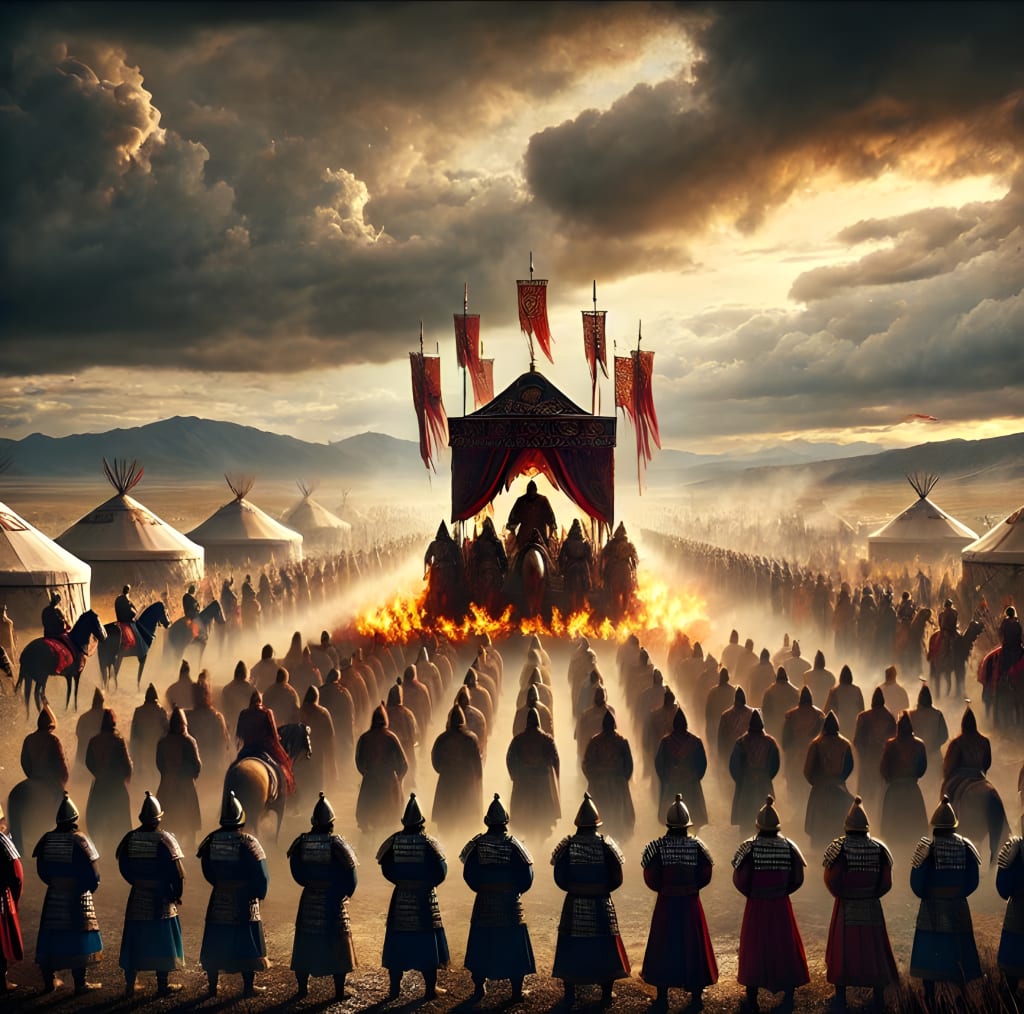
The death of Genghis Khan in 1227 marked the end of an era for the Mongol Empire. Genghis Khan, born as Temüjin, had unified the Mongol tribes and led them to conquer vast territories, creating one of the largest empires in history. His passing sent shockwaves throughout the empire, and the period following his death was filled with mourning, power struggles, and complex decisions that led to a series of tragic events for the soldiers who had served him loyally.
The Aftermath of Genghis Khan’s Death
Genghis Khan’s death was shrouded in mystery, with several theories suggesting that he either fell from his horse during a campaign against the Western Xia Dynasty or was injured in battle. However, the exact cause remains unclear. What followed his death was a carefully orchestrated succession plan that involved his sons and key military leaders, but the Mongol Empire, despite its immense power, faced a significant moment of instability.

Genghis Khan’s sons were tasked with carrying on his legacy and ensuring the stability of the empire. However, the Mongol warriors, especially those who had followed their leader into countless campaigns, found themselves at the heart of a series of struggles over succession. The death of Genghis Khan left many soldiers uncertain about their future roles in the empire, particularly in the aftermath of the emperor’s funeral.
The Funeral and Its Implications
The funeral of Genghis Khan was an event wrapped in secrecy and ritual. According to legend, his body was returned to Mongolia and buried in an undisclosed location, keeping it hidden to prevent grave robbers from disturbing the site. During this time, it was customary for soldiers and followers of the deceased leader to accompany the body or take part in burial rites.
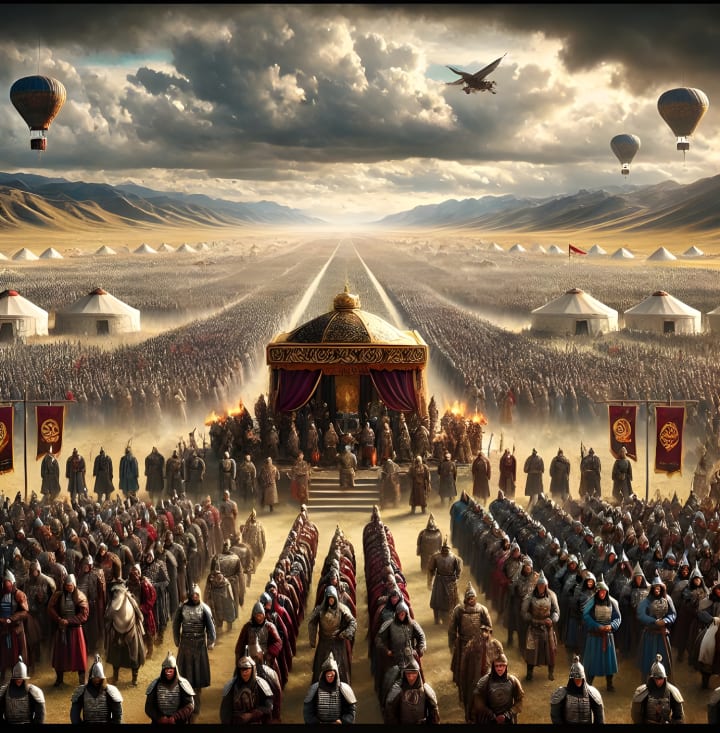
However, a shocking event unfolded during the return of Genghis Khan’s body. To ensure the secrecy of the burial site, many soldiers who were part of the funeral procession were tragically killed. This was part of a strategy to protect the final resting place of the Great Khan from any future discovery, as Genghis Khan had been adamant about keeping his tomb hidden.
The Mongol military leaders, likely under the orders of Genghis Khan’s successors, executed those who had accompanied the funeral procession to guarantee that the burial site remained secret. The soldiers, who had fought valiantly and without question during Genghis Khan’s campaigns, found themselves betrayed by the very leaders they had supported. These executions were carried out to silence potential witnesses and to prevent any information about the burial location from leaking to outsiders.
The Soldiers’ Fate and Betrayal
The soldiers who were killed following the funeral were, in many cases, not given the respect and honor that they had earned through years of service under Genghis Khan. These men, many of whom had risked their lives in numerous battles across Asia and Europe, were now viewed as disposable by those in power. The fate of these soldiers highlights a brutal truth about the Mongol Empire: loyalty and service to the leader did not guarantee safety or reward after his death.
The execution of these soldiers was not just a tragic loss for their families, but it also contributed to the erosion of trust within the Mongol military. Soldiers who had once fought side by side with the Khan now found themselves vulnerable in a system where power shifted rapidly, and the old bonds of loyalty were not enough to guarantee their survival.
The Legacy of Genghis Khan’s Soldiers
The death of Genghis Khan and the subsequent killings of loyal soldiers left a deep scar on the Mongol Empire. While the empire continued to expand after his passing, the cohesion that had existed under his leadership began to unravel. The tragic fate of these soldiers underscored the dangers of the Mongol Empire’s highly centralized leadership structure, where the death of one man could bring about the destruction of many others.
Though the deaths of the soldiers following the funeral are not often discussed in mainstream history, they offer a sobering insight into the brutal nature of power struggles and the high cost of loyalty in a world where empires rise and fall at the whims of those who hold power. The soldiers who were killed after Genghis Khan’s death were not merely victims of a political calculation, but also symbols of the sacrifices made by those who served the Great Khan, a man whose empire would endure long after his death, but at a high price.

This article gives an overview of the events surrounding the death of Genghis Khan and the tragic fate of the soldiers involved in the funeral procession. It highlights the harsh realities of life in the Mongol Empire after the loss of its greatest leader.
About the Creator
Say the truth
"Say the Truth: Explain Everything in the World" is your trusted source for uncovering facts and exploring the wonders of history, science, technology, and beyond. We simplify complex ideas and reveal truths to inspire curiosity .
Keep reading
More stories from Say the truth and writers in Humans and other communities.
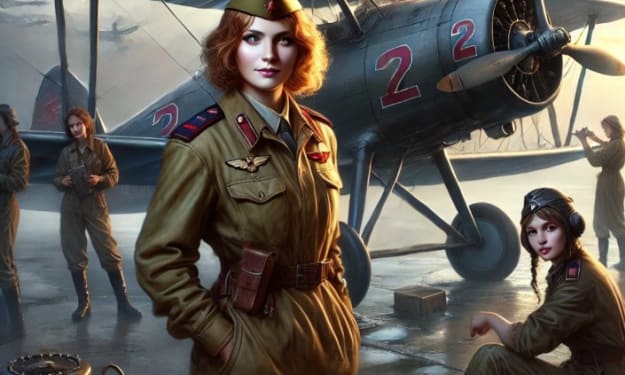
The Night Witches: Soviet Women Who Terrorized the Nazis from the Sky
The Night Witches: Soviet Women Who Terrorized the Nazis from the Sky During the aphotic nights of World War II, a accumulation of Soviet women took to the skies in outdated, plywood biplanes, arresting abhorrence into the hearts of German soldiers. They were alleged the "Night Witches" by the Nazis, a appellation accustomed out of both abhorrence and acquisitive respect. Officially, they were the 588th Night Bomber Regiment, an all-female Soviet assemblage accepted for their bravery, determination, and adamant bombing raids adjoin German targets.
By Say the truth about a year ago in Humans
Silver Screen Magic with Mae West
American actress and singer Mae West became a popular film actress during the Great Depression. She started entertaining in vaudeville, then performed on Broadway, and finally went to Hollywood. She signed up with Paramount Pictures and made her debut in the 1932 film “Night After Night.” She also starred in musicals, comedies, and crime dramas. The American Film Institute named her one of the best classic Hollywood actresses.
By Rasma Raisters6 days ago in Geeks


Comments
There are no comments for this story
Be the first to respond and start the conversation.