
"The Tongue of Titans: Unveiling the Astonishing Anatomy of the Blue Whale".
The fact that A Blue Whales tongue can weigh as much as a car, or a small adult elephant.
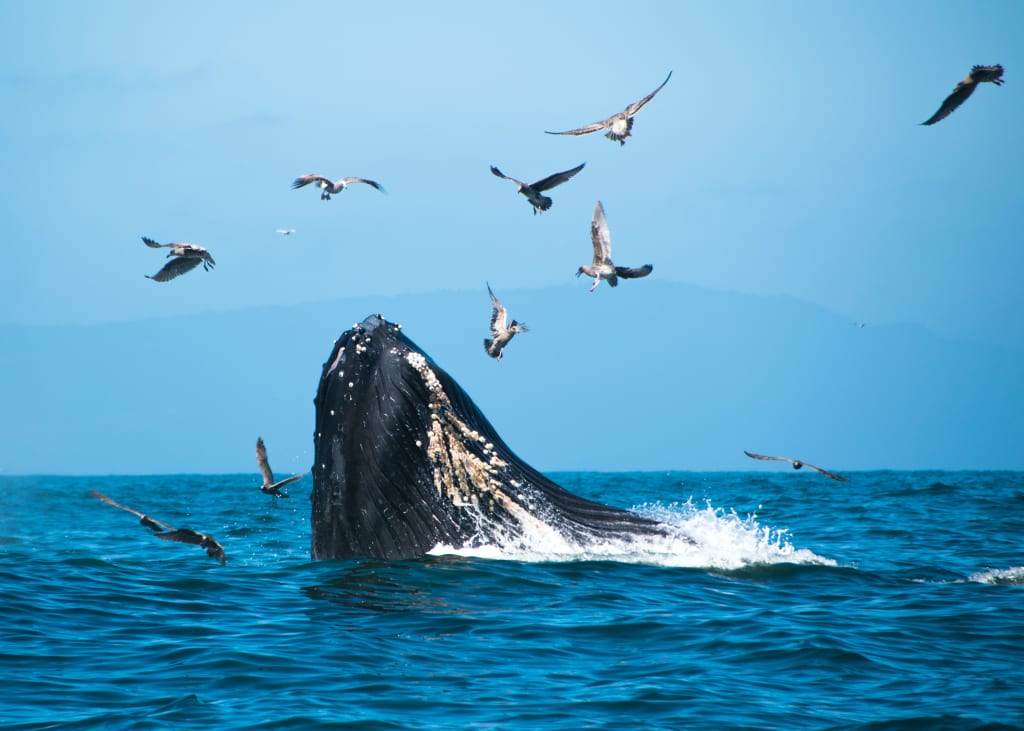
Introduction: Giants of the Ocean - Blue Whales and the Weighty Wonder of their Tongues
In the vast expanse of the world's oceans, the blue whale reigns supreme as the largest creature on Earth. Beyond its sheer size, the blue whale harbors a marvel of anatomy that astonishes researchers and marine enthusiasts alike – its colossal tongue. Surpassing the weight of a car or even a small adult elephant, the blue whale's tongue is a testament to the extraordinary adaptations that enable these oceanic titans to navigate their vast habitats. In this exploration, we dive into the depths of the blue whale's anatomy, unraveling the mysteries behind the weighty wonder of its colossal tongue.
Chapter 1: Behemoth of the Seas - The Blue Whale's Grandeur
Before delving into the intricacies of the blue whale's tongue, it's essential to grasp the staggering dimensions of this marine giant. Blue whales, scientifically known as Balaenoptera musculus, hold the title of the largest animals to have ever existed on Earth. Adult blue whales can reach lengths of up to 100 feet or more, dwarfing even the most massive dinosaurs.
These leviathans traverse the oceans with grace, their massive bodies supported by a streamlined physique adapted for efficient swimming. But it is the remarkable proportions of their organs, particularly the tongue, that contribute to the awe-inspiring scale of these marine behemoths.
Chapter 2: The Blue Whale's Diet - A Feast on Tiny Creatures
Despite their immense size, blue whales are filter feeders, relying on some of the smallest organisms in the ocean for sustenance. Their primary diet consists of tiny shrimp-like animals called krill. To capture these minuscule creatures, blue whales employ a feeding strategy known as lunge feeding, where they open their mouths wide and engulf vast quantities of water filled with krill.
The filtering mechanism of a blue whale's mouth is facilitated by a series of comb-like plates called baleen, which hang from the upper jaw. The baleen acts as a natural sieve, allowing water to escape while retaining the krill for consumption. This unique feeding adaptation is central to the blue whale's ability to extract energy from the ocean's abundance.
Chapter 3: The Enigma of the Tongue's Weight - A Car or a Small Elephant
The blue whale's tongue is an anatomical wonder that captivates scientists and enthusiasts alike. While the exact weight can vary among individuals, the tongue of a blue whale can weigh as much as a car or a small adult elephant. This remarkable mass serves a crucial purpose in the lunge feeding process.
As the blue whale engulfs water filled with krill, its massive tongue plays a pivotal role in expelling the excess water. The tongue acts as a piston, pushing the water out through the baleen plates, leaving the trapped krill behind for the whale to swallow. The sheer weight of the tongue contributes to the efficiency of this process, allowing the blue whale to capitalize on the dense concentrations of krill in the water.
Chapter 4: The Dynamic Anatomy of the Blue Whale's Mouth
The mouth of a blue whale is a dynamic structure that undergoes significant transformations during the feeding process. When not actively feeding, the throat pleats of the blue whale's mouth are typically folded, reducing the overall volume of the oral cavity. However, during lunge feeding, these pleats expand, creating a vast space capable of accommodating an impressive amount of water and krill.
The coordinated movements of the tongue, jaw, and throat pleats during the lunge feeding process showcase the biomechanical precision that allows blue whales to efficiently capture and consume vast quantities of krill in a single gulp. The tongue's weight, acting as a powerful force, contributes to the expulsion of water and the retention of food within the expansive mouth cavity.
Chapter 5: Energetic Efficiency - The Role of the Tongue in Feeding
The blue whale's feeding strategy, although energetically demanding, is remarkably efficient in terms of caloric intake. By engulfing large volumes of water and krill in a single lunge, blue whales optimize their foraging efforts, minimizing the need for constant feeding. This feeding efficiency is essential for sustaining the energy demands of these colossal creatures, allowing them to undertake long migrations and maintain their massive size.
The tongue, with its significant weight, plays a vital role in this energetic equation. Its ability to displace water rapidly, combined with the expansive mouth and throat pleats, facilitates the ingestion of copious amounts of krill with each lunge. The efficiency of this process underscores the evolutionary adaptations that have allowed blue whales to thrive as the largest animals on the planet.
Chapter 6: Conservation Considerations - Protecting the Giants of the Sea
While the blue whale's tongue is a marvel of natural engineering, the conservation of these oceanic giants is of paramount importance. Blue whales, like many marine species, face threats from human activities, including ship strikes, entanglement in fishing gear, and the impacts of climate change.
Efforts to protect blue whales and their habitats involve measures such as vessel speed restrictions in areas frequented by these giants and the implementation of conservation initiatives to reduce marine pollution and mitigate climate change. By understanding the unique adaptations of blue whales, including their awe-inspiring tongues, we gain a deeper appreciation for the intricate web of life in our oceans and the responsibility to safeguard these magnificent creatures for future generations.
Conclusion: The Lingering Echo of Blue Whale Majesty
In the vastness of the ocean, where the horizon meets the endless expanse of blue, the blue whale stands as a living testament to the wonders of nature. Its colossal tongue, a weighty masterpiece of evolution, not only facilitates the consumption of microscopic krill but also serves as a reminder of the delicate balance of life in the marine realm. As we marvel at the colossal grace of the blue whale, we are drawn into the intricate dance of adaptation and survival that unfolds beneath the surface of the sea, echoing the majestic legacy of these oceanic titans.
About the Creator
Keep reading
More stories from fatima zahra ajankar and writers in Humans and other communities.
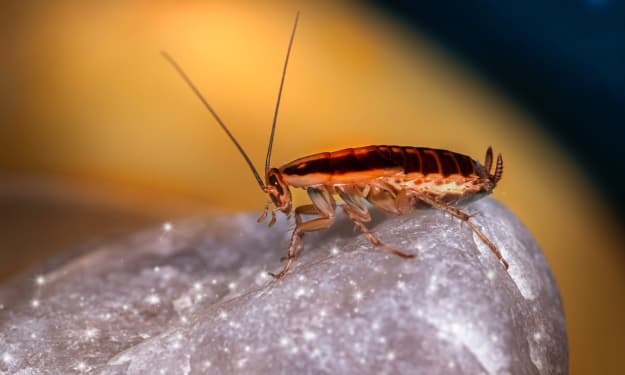
"The Tenacious Survivor: The Astonishing Afterlife of the Headless Cockroach".
Introduction: The Indomitable Cockroach - A Testament to Survival In the realm of resilient creatures, the cockroach stands as a symbol of tenacity and adaptability. The common perception of these insects as hardy survivors takes a surreal turn when considering a peculiar phenomenon: even after having its head severed, a cockroach can continue to live for weeks. This astonishing ability raises intriguing questions about the physiological and neurological adaptations that enable the headless cockroach to defy conventional expectations and navigate its world with surprising persistence.
By fatima zahra ajankar2 years ago in Humans
Autonomy Is The Real Privilege
Good morning, freedom-seekers! Today we’re gonna be looking at autonomy. A strange word, I know; one many would probably look at blankly and run away from on sight. We’re gonna figure out what it actually means, consider how it’s achieved, and decipher just how deeply most of us are tangled up in dependence without realising it.
By That ‘Freedom’ Guy7 days ago in Humans
How to be a good neighbor to homeless people
Homeless people live all over Denver. You see them when you walk your dog, when you pull up to an intersection where they are panhandling, or when you go downtown. You see them by streams and on trails. Increasingly, Denver homeless people are moving to the outskirts of the city as they are pushed out of downtown.
By David Heitz4 days ago in Humans



Comments
There are no comments for this story
Be the first to respond and start the conversation.